Walking backwards, or daizou (倒走), is a popular exercise among China’s elderly population because it is believed to improve balance, strengthen specific core muscles, and relieve chronic knee or back pain. Rather than being a quirky public display, this practice is a staple of the vibrant Chinese park fitness culture, rooted in Traditional Chinese Medicine (TCM) principles that emphasize holistic movement and meridian stimulation. By moving in reverse, practitioners engage underutilized muscles and enhance spatial awareness, making it a low-impact, accessible way for seniors to maintain mobility and physical longevity in their daily lives.
Understanding the Cultural Context
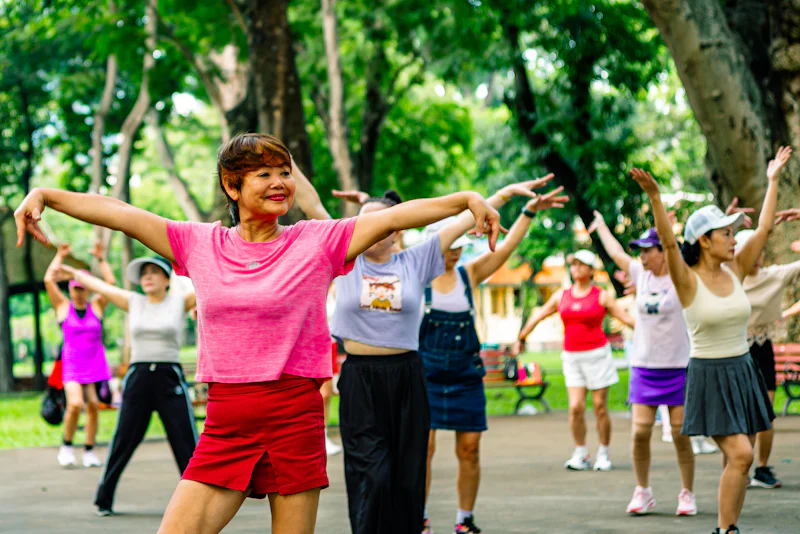
In almost every urban green space in China, from the massive Chaoyang Park in Beijing to smaller community squares, you will observe seniors engaging in diverse rhythmic exercises. This is not mere recreation; it is a vital social structure. The Chinese approach to public health centers on the idea of keeping the body in motion to prevent stagnation. Daizou is often performed alongside activities like tai chi or fan dancing because it is thought to counteract the forward-leaning posture developed from years of desk work or habitual slouching. It turns the park into a functional physiotherapy clinic where social bonding and physical health are inextricably linked.
The Physiological Benefits of Retro-Walking
From a biomechanical perspective, walking backwards forces the body to alter its gait and center of gravity. When you walk forward, your heel strikes the ground first. When you walk backward, the ball of your foot hits first, which shifts the burden away from the knee joint and onto the quadriceps and calf muscles. Many Chinese seniors swear by this method for alleviating chronic lower back pain. Research suggests that the change in movement patterns can indeed improve balance and coordination, as the brain must pay closer attention to the path behind it, effectively training the vestibular system. In terms of qi (energy) flow, practitioners believe this reverse motion helps 'clear' blockages in the legs that accumulate from sedentary habits.
Practical Tips for Beginners
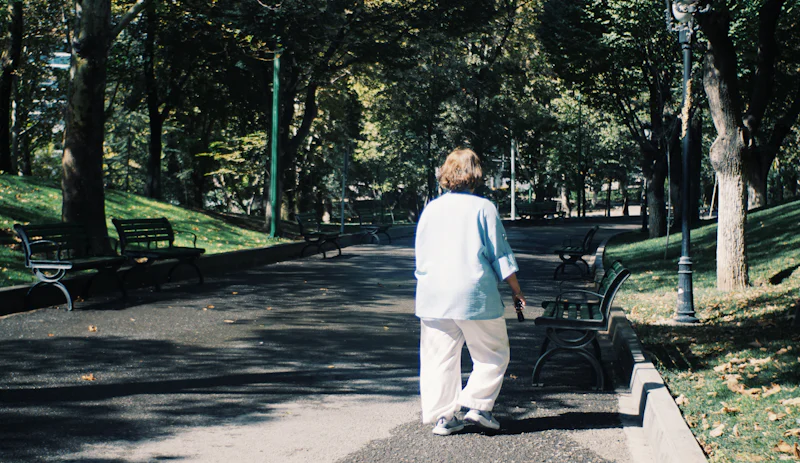
If you want to try this out, follow these safety guidelines to avoid injury. First, start in a flat, obstacle-free area; most parks have designated walking paths that are ideal for this. Avoid crowded areas, as you will be moving against the flow of traffic. Start with very short intervals—perhaps two to three minutes—to allow your muscles to adapt to the different loading patterns. Wear supportive footwear, as the constant shifting of weight can be taxing on the ankles if you are not accustomed to it. Always look over your shoulder every few steps to ensure you are not encroaching on another person’s space. If you feel dizzy or lose your equilibrium, stop immediately; this indicates that your inner ear or visual tracking needs time to adjust to the reverse orientation.
Integrating Into Your Routine
This practice is most effective when done consistently for 10 to 15 minutes as part of a warm-up or cool-down routine. Many expats find that joining a local group or simply observing the regulars can provide a better understanding of the cadence and posture required. Remember that this is a low-intensity, meditative exercise, not a high-speed sprint. The goal is to focus on your steps, maintain a vertical spine, and keep your gaze steady. By treating the park as a space for deliberate, mindful movement rather than just a shortcut to your destination, you can tap into a fitness tradition that has supported the health of generations of local residents.
Prioritizing intentional, unconventional movement patterns in your daily exercise can significantly improve your long-term mobility and balance. Have you noticed any other unique exercise habits in your local park that you were initially curious about?
Quick Takeaways:
- Retro-walking shifts pressure from knee joints to the quadriceps and calf muscles.
- Perform the exercise in clear, flat areas to ensure safety while moving backwards.
- Limit initial sessions to short intervals to allow the body to adjust properly.
- Maintain a vertical posture to maximize the benefits for your lower back health.
#chinalife #fitnessculture #tcm
