Navigating travel during Chinese holidays requires a shift in mindset: prioritize secondary cities and off-peak travel times to avoid the intense pressure of the 'Great Migration'. While hotspots like Shanghai or Sanya offer world-class amenities, the sheer volume of domestic tourists during periods like Golden Week or the Spring Festival can lead to significant logistical delays. By leveraging high-speed rail efficiencies and digital planning tools, you can experience the beauty of China without sacrificing your sanity to massive crowds. Success lies in strategic planning rather than opportunistic bookings.
Utilize Digital Tools for Seamless Transit
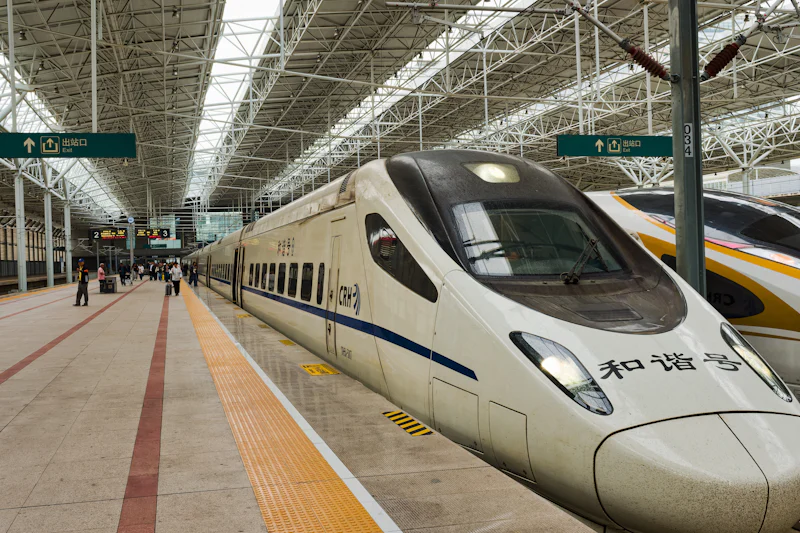
To master travel during Chinese holidays, you must rely on integrated apps. Download 支付宝 (Alipay) and 微信 (WeChat), which serve as the foundation for your travel infrastructure. Use the built-in mini-programs for 12306, the official railway ticketing platform, to monitor ticket releases. Tickets for high-speed trains typically go on sale 15 days in advance. If you miss the primary booking window, use the 'waitlist' feature on 12306, which has a high success rate for finding cancelled tickets. Avoid third-party booking sites that charge unnecessary surcharges, as they often lag behind the official government system.
Escape the Tourist Hotspots
Instead of flocking to Tier-1 cities or famous landmarks, research 'hidden gems' that offer similar cultural richness with fewer visitors. For example, instead of the crowded West Lake in Hangzhou, consider the ancient water towns in Jiangsu province or the mountain landscapes in Guizhou. Using 高德地图 (Amap), you can filter for 'scenic spots' and observe historical congestion data. If a location shows 'extreme crowd levels' during a public holiday, have a secondary destination ready within a two-hour radius. Exploring smaller cities often leads to better value for money and more authentic interactions with local culture.
Strategic Timing for Train Travel
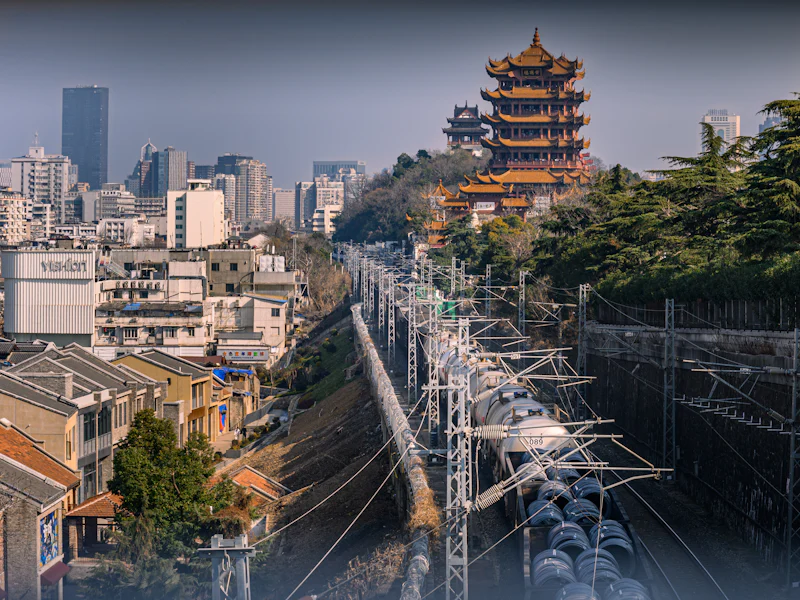
When planning your transit, aim to travel during the 'shoulder hours' of the holiday period. The peak chaos typically happens on the afternoon before the holiday starts and the afternoon of the final day. If possible, book trains that depart before 08:00 or after 21:00. These 'red-eye' or early morning slots are less popular among families, leading to a quieter experience at the train station. Remember that security checks at stations can take 30 to 45 minutes during peak holidays; always aim to arrive at the station at least one hour before your scheduled departure to avoid missing your connection.
Smart Hotel Booking and Logistics
Avoid the temptation to book hotels right next to major tourist sites, as these areas inflate prices and overwhelm the surrounding infrastructure during holidays. Instead, stay near a metro station hub three to five stops away from the main attraction. This allows for easy transit into the city center while providing a quieter environment for resting. Use 大众点评 (Dazhong Dianping) to read real-time reviews from the past month to ensure the accommodation is currently operating efficiently, as some venues may experience staffing shortages during major public holidays.
Effective travel during peak seasons is less about avoiding crowds entirely and more about managing expectations through data-driven planning and off-peak scheduling. Which destination in China have you found to be the best for escaping the holiday rush?
Quick Takeaways:
- Book train tickets via the 12306 app exactly 15 days before your departure date.
- Use the waitlist feature on 12306 to secure seats after the initial sell-out.
- Avoid peak hours by traveling before 08:00 or after 21:00 to reduce congestion.
- Stay near metro hubs rather than tourist hotspots to improve mobility and pricing.
#travelchina #chinaholidays #hightrain
