Navigating China's 24-hour visa-free transit with a domestic transfer is entirely possible, provided your flight itinerary remains within a single port of entry and exit. The core rule for the 24-hour transit policy is that you must arrive in China, remain in the designated transit zone or designated city area, and depart from a different port or the same port within 24 hours. While many travelers assume they are restricted to the airport, the 24-hour policy generally allows you to exit immigration and enter the city, unlike the more restrictive 72/144-hour policies that require specific airport transit lanes.
Understanding the Single Port Constraint
The 24-hour visa-free transit is intended for international passengers passing through China to a third country or region. If your flight itinerary involves multiple stops within mainland China, such as landing in Beijing and then taking a domestic flight to Shanghai before departing for another country, you effectively invalidate your 24-hour transit status. The immigration authorities define the 24-hour window as a direct transit process. Once you cross into a domestic terminal for a flight to another mainland Chinese city, you are considered to have officially entered China, which requires a standard visa unless you qualify for the 144-hour regional transit policy in specific areas.
Essential Documentation for Immigration
When you arrive at the immigration counter, you must present a printed itinerary showing your onward flight to a third country departing within 24 hours. Do not rely on digital files on your phone; immigration officers frequently request hard copies. Ensure your passport has at least six months of remaining validity and at least one blank page. You will likely need to fill out a temporary entry card, which is often available at the kiosks near the immigration booths. Be prepared to show your hotel booking if you intend to leave the airport, as some officers will ask for proof of accommodation or a local contact address.
Navigating the Transit Desk
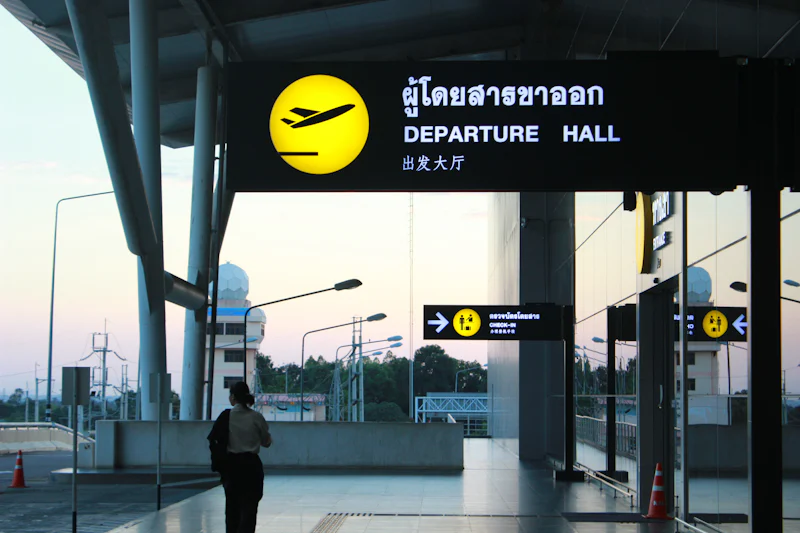
Upon landing, follow the signs for 'Transit' or 'International Transfer.' If you are planning to leave the airport area, you must proceed to the 'Immigration' desk rather than the transit transfer desk. Tell the officer clearly that you are applying for the 24-hour visa-free entry. If you have bags to check through, verify with your airline at your point of origin that they will be transferred to your final destination. If you must collect your luggage and re-check it, you are effectively leaving the international transit area and must clear immigration, which is perfectly fine under this policy provided you exit the country within the 24-hour threshold.
Digital Tools and Connectivity
To navigate domestic transit efficiently, you should set up 支付宝 (Alipay) on your smartphone before arrival. Even for a short stay, having access to digital payments is crucial as many airport services and transport kiosks no longer accept cash. Furthermore, if you are planning to leave the airport, consider downloading 高德地图 (Amap) for navigation, as it is significantly more accurate for Chinese transit hubs than international mapping applications. Remember that public Wi-Fi in airports usually requires a local phone number for SMS verification; if you do not have a Chinese SIM card, look for kiosks that scan passports to provide login credentials.
The most important lesson is to treat the 24-hour limit as a strict deadline that starts the moment you clear immigration rather than when your flight lands. Have you ever experienced a delay during a transit layover that forced you to extend your stay, and how did you handle the immigration process in that situation?
Quick Takeaways:
- Ensure your itinerary to a third country departs within 24 hours of landing.
- Always carry printed copies of your flight tickets for the immigration officer.
- Use Alipay for payments as cash is increasingly rare in transit hubs.
- Verify if your baggage is checked through to your final international destination.
#travelchina #chinatransit #visatips
