The 24-hour visa-free transit in China allows travelers with an international flight connection to stay in the country for up to 24 hours without a visa, provided they stay within the designated transit area or city of entry. The most critical rule to understand is that your itinerary must involve an international arrival followed by an international departure; domestic-to-domestic transfers do not qualify for this policy. Understanding the distinction between a transit connection and an entry into the country is essential for avoiding issues at immigration checkpoints.
Qualifying for the 24-hour exemption
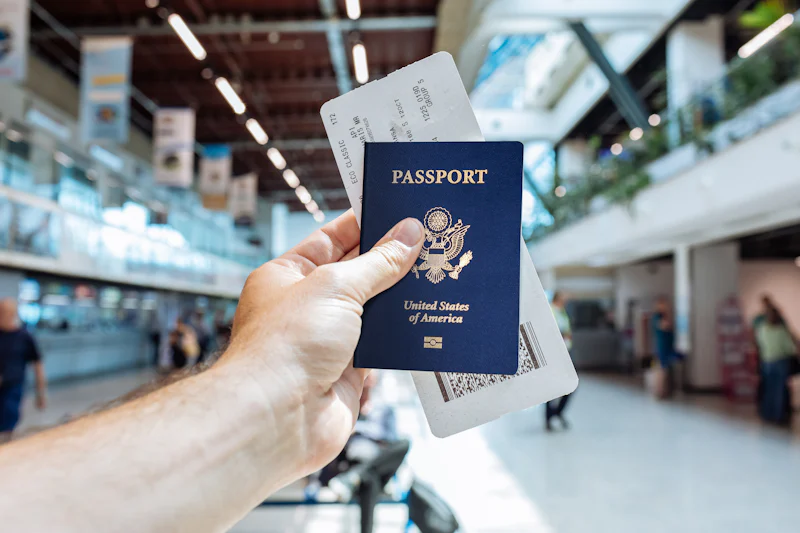
To be eligible for the 24-hour visa-free transit, you must hold a passport from a country with diplomatic relations with China and possess a confirmed onward ticket to a third country or region within 24 hours. The 临时入境许可 (Temporary Entry Permit) is issued by immigration officers at the airport upon arrival. It is important to note that this permit is at the discretion of the border control officer. You should have your printed flight itinerary, hotel booking details, and a completed arrival card ready to present. Always ensure your transit is truly international; for example, a flight path of London—Beijing—Tokyo is valid, whereas London—Beijing—Shanghai is generally treated as a domestic flight segment and will likely be rejected for this visa-free status.
Navigating the airport transfer process
Upon landing, follow the signs for 'Transit' or 'International Transfer.' You will arrive at the transit desk, where you must present your passport and boarding pass for the onward flight. If you plan to leave the airport, you must specifically request the 临时入境许可 (Temporary Entry Permit). If your layover is short and you prefer to remain airside, you do not need this permit. Keep in mind that some airports, such as Beijing Capital International Airport (PEK) or Shanghai Pudong (PVG), may have different terminal layouts. Ensure you know if your arrival and departure gates are in the same terminal, as changing terminals can sometimes require you to exit and re-enter, effectively triggering the need for the transit permit.
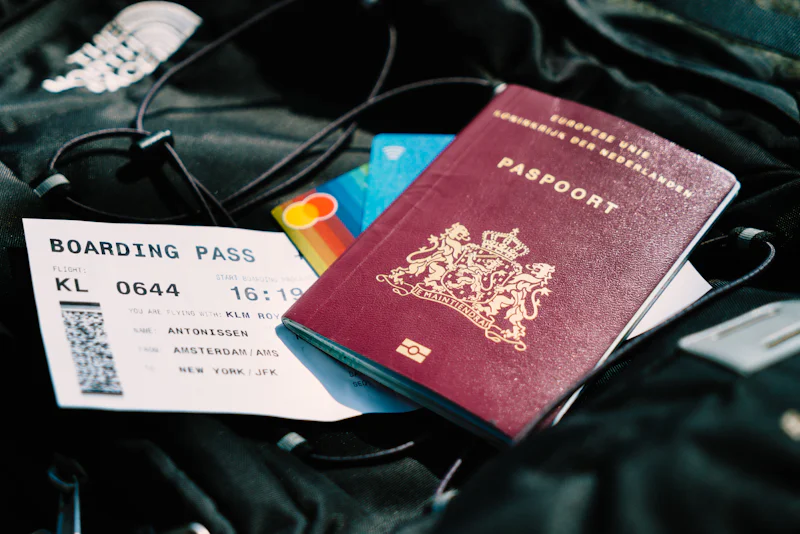
Common pitfalls during transit
One frequent mistake is failing to complete the 境外人员住宿登记 (Registration Form of Temporary Residence). If you are staying at a hotel, the staff will handle this for you. However, if you are staying with friends, you are legally required to register your presence at the local 派出所 (Police Station) within 24 hours of entry. Additionally, travelers often underestimate the time required for security checks during peak travel seasons. Always allow at least three hours for re-entering the secure area, even if you are already in the city. Finally, ensure your electronic devices are prepared for local internet restrictions; if you need specific communication tools, install a virtual private network before you land, as local networks will not provide access to global platforms like Gmail or Google Maps.
Preparing your transit checklist
Before departing, verify your itinerary's 'transit visa flight connection' status with your airline. While the policy is standardized, airlines are the first line of enforcement and may deny boarding if they believe you do not meet the criteria. Have your 行程单 (Itinerary) printed on paper, as digital copies on phones can sometimes be difficult for officials to scan or verify. Confirm that your passport has at least three months of validity remaining, as immigration officers may deny transit privileges if your travel document is nearing expiration.
Mastering the transit process relies entirely on confirming your flight connections are international and having all required documentation printed and ready for inspection. Have you successfully navigated a transit stop in China recently, and did you experience any delays with the permit issuance?
Quick Takeaways:
- Ensure your transit path involves arriving from and departing to different countries.
- Always print your flight itinerary and hotel booking for the immigration officer.
- Request the Temporary Entry Permit specifically if you intend to leave the airport.
- Register your residence at a local police station if not staying in a hotel.
#travelchina #visatips #chinatransit
