Navigating the Chinese tax declaration for expats is a structured process that relies heavily on the state-managed digital ecosystem rather than manual paper filing. For most foreign employees, your tax liability is handled through a PAYE system—Pay As You Earn—where your employer automatically deducts income tax from your monthly salary. However, annual reconciliation is a mandatory requirement that every foreign taxpayer must complete between March 1 and June 30 of the following year to ensure all deductions and credits are correctly accounted for within the national system.
Using the Individual Income Tax App
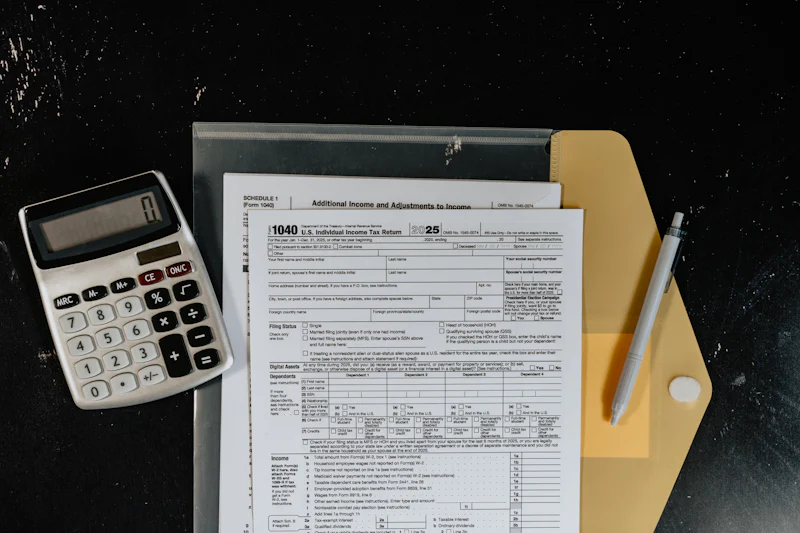
The central tool for all fiscal reporting is the Personal Income Tax app, or 个人所得税 (Gèrén suǒdé shuì). You must register using your passport number or your 外国人永久居留身份证 (Foreigner's Permanent Residence ID Card). Once logged in, the app provides a comprehensive overview of your monthly income and the taxes paid by your employer. If you have multiple income sources or need to claim specific deductions for housing rent, children's education, or continuing education, you must input this data manually into the app. Ensure the information matches your employment contract to avoid audit triggers.
Solving Tax App Synchronization Issues
Many expats encounter the frustration of a tax payment certificate China not updating in real-time. If your tax records are missing or delayed, the first step is to verify with your company HR department that they have submitted the 扣缴申报 (Withholding Declaration) for the period in question. If HR confirms submission, the delay is often a system sync issue between the local tax bureau and the app. Wait 3–5 business days after the monthly tax filing deadline, which is typically the 15th of the following month. If the data remains stagnant, you may need to visit your local tax office with your passport and labor contract to perform a manual records reconciliation.
Managing the Annual Reconciliation Cycle
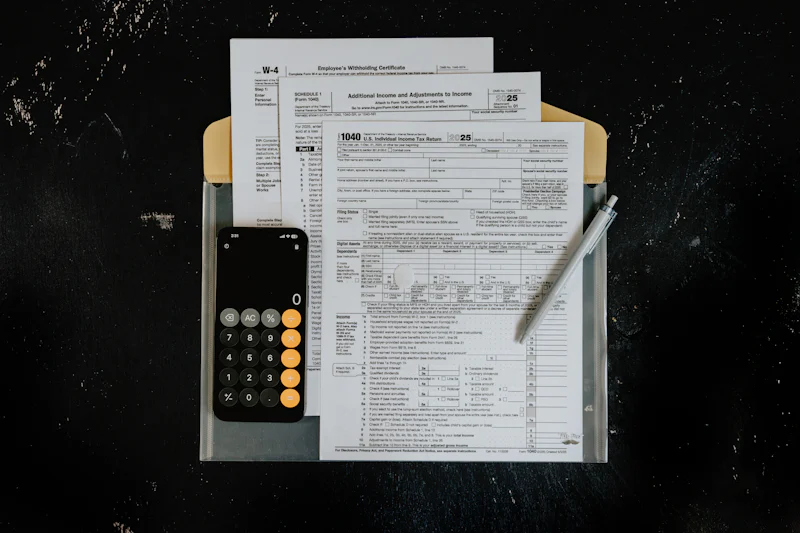
The annual tax reconciliation period is crucial for those who may have overpaid or underpaid throughout the fiscal year. You can access your 纳税记录 (Tax Payment Record) directly through the app to generate a PDF certificate. This document is essential for visa applications or proving your financial standing in China. If the system calculates that you have overpaid due to missed deductions, you can request a tax refund directly to your bank account linked to the app. Conversely, if you owe additional tax, the app provides a QR code or an integration with 支付宝 (Alipay) to settle the balance immediately.
Important Considerations for Foreigners
Be mindful that the Chinese tax system has strict requirements for data accuracy. Changing employers during the year can often lead to fragmented tax records. When you switch jobs, ensure your previous employer has finalized your tax settlement and that your new employer is correctly linked to your tax profile within the app. Failing to reconcile your annual income can result in penalties or complications when attempting to remit money abroad or renew your residence permit. Always keep digital and physical copies of your tax receipts for at least five years as proof of compliance.
Consistent digital compliance through the national tax app is the most reliable way to avoid penalties and streamline your annual reconciliation process. Have you experienced any specific errors when trying to link your bank account to the tax app for potential refunds?
Quick Takeaways:
- Use the Personal Income Tax app for all your annual fiscal reporting requirements.
- Complete your annual tax reconciliation between March 1 and June 30 every year.
- Verify that your HR department has finalized monthly withholdings before checking the app.
- Save PDF tax certificates annually to support future visa or financial document requirements.
#chinesetax #expatchina #livingguide
