Navigating a domestic transfer in China while utilizing the 24-hour visa-free transit policy requires you to clear immigration at your first point of entry, regardless of your final destination. Because there is no 'international-to-domestic' sterile transit zone in the way Western travelers might expect, you must treat your first arrival as a standard entry into China. You will need to process your entry, collect your luggage, and re-check it for your domestic leg. Understanding this distinction is the single most important step to avoiding missed flights and unnecessary stress.
Understanding the 24-Hour Visa-Free Policy
The 24-hour visa-free transit policy is a facilitation measure that allows international travelers to transit through a Chinese airport without a standard visa. The core rule is that your layover must be under 24 hours and you must stay within the port of entry's administrative area. Upon landing, follow the signs for 'Transit' or 'International Arrivals.' You must head to the 'Visa-Free Transit' counter to receive an entry stamp or temporary permit. Even if your flight is on a single ticket, you are technically entering the country's border control system, which necessitates a physical passport inspection.
The Mandatory Luggage Re-check Process
Unlike many international hubs, most domestic Chinese airports mandate that travelers collect their checked bags upon arrival from an international destination. Even if your baggage tag indicates your final city, you must clear customs with your luggage. Once you pass through the 'Nothing to Declare' channel, exit the international arrivals area and find the domestic terminal or the airline's check-in desks. This process typically takes between 60 to 90 minutes. Using an app like 支付宝 (Alipay) can help you find a taxi or airport shuttle to transfer between terminals if they are not connected by an airside train.
Navigating Airport Transfers and Timing
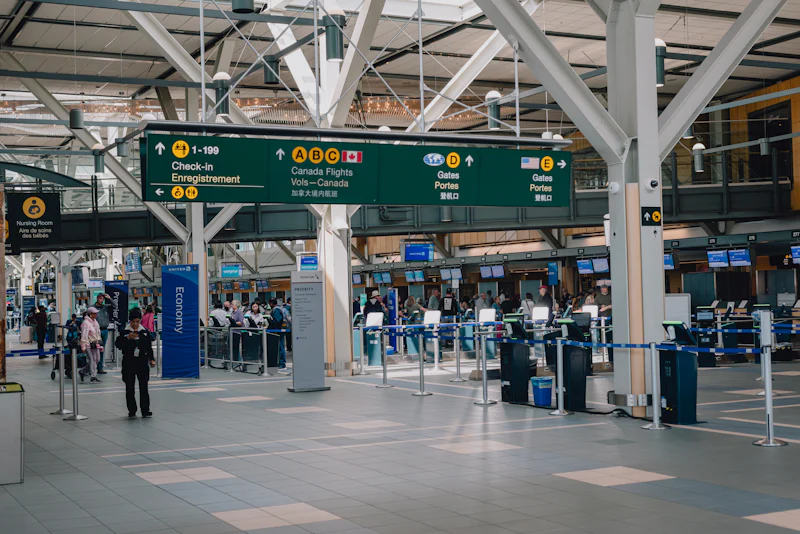
When booking your transit, ensure there is at least a four-hour gap between your scheduled international arrival and your domestic departure. Airport signage in major hubs like Beijing (PEK) or Shanghai (PVG) can be extensive, and the sheer physical distance between gates or terminals can be significant. If you are transiting through a smaller city, staff may be less accustomed to foreign passengers; having your boarding pass and a digital copy of your hotel booking or onward flight details in Chinese characters is highly advisable. Always verify if your domestic leg is in a different terminal, as inter-terminal buses operate on strict schedules.
Common Pitfalls and Troubleshooting
One common error is failing to register your 住宿登记 (Accommodation Registration). Even if you are staying in the airport for less than 24 hours, if you leave the transit zone to visit a nearby hotel, you are technically required by law to register with the local police station. Most international-standard hotels near airports handle this automatically, but if you choose a budget stay, ensure they possess the license to host foreign guests. If you encounter issues with the automated kiosks, approach the staff at the border control desk; they are trained to handle transit passengers and can override system errors if your documentation is in order.
Successfully managing a transit depends entirely on treating your arrival as a full entry into the country. Have you managed to complete a domestic transfer using the 24-hour visa-free policy, and did you find the customs process to be efficient at your specific entry airport?
Quick Takeaways:
- You must clear customs and immigration at your first point of entry into China.
- Always collect your checked baggage even if it is ticketed to your final destination.
- Allow at least four hours between flights to navigate terminals and security check queues.
- Keep a printed copy of your onward flight itinerary to present at the transit counter.
#chinatravel #transitvisa #traveltips
