Attempting to use the China 144-hour visa-free transit policy multiple times in a single month to string together long-term stays is technically possible but legally precarious and highly discouraged. While the regulations do not explicitly forbid using the policy twice, immigration officers at border control exercise significant discretion. If your travel history suggests an attempt to reside in the country rather than merely transit through it, you face a high probability of being denied entry at the border. You must always maintain a genuine intention of traveling to a third country or region to remain compliant with the spirit of the law.
Understanding the 144-hour transit policy
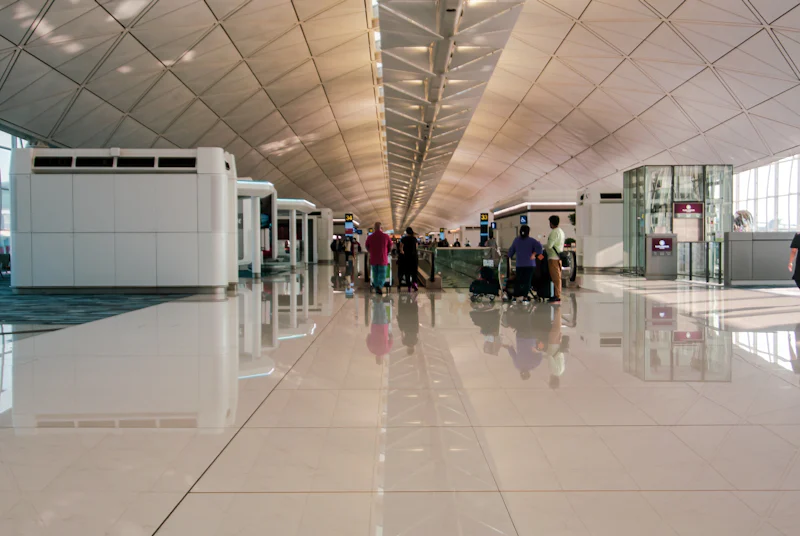
The China 144-hour visa-free transit program is designed for travelers moving between at least two different international territories. For example, if you fly from London to Beijing and then from Beijing to Seoul, you qualify. The primary constraint is that you must remain within a specific administrative area, such as the Beijing-Tianjin-Hebei region, or the Yangtze River Delta cluster. You are prohibited from traveling outside these zones during your stay. Your entry permit is marked by a temporary landing permit, or 临时入境许可 (Línshí rùjìng xǔkě), which dictates your allowed duration of stay.
The fallacy of the Hong Kong loophole
Many travelers assume that a quick trip to Hong Kong or Macau acts as a 'reset' button for the 144-hour clock. While technically transitioning to a special administrative region counts as moving to a third destination, immigration authorities monitor frequent arrivals closely. If you exit to Hong Kong and return to the mainland only a few days later, you risk being flagged for 'visa shopping.' Officers may ask to see proof of onward travel beyond the next flight. If your itinerary lacks a clear international destination, your transit status can be revoked, leading to denied boarding or immediate deportation at your own expense.
Immigration discretion and documentation
When entering China under this policy, you must provide a confirmed flight itinerary showing your arrival from one country and your departure to another. Do not assume that hotel bookings or flexible tickets are sufficient. Keep your 登机牌 (Dēngjīpái), or boarding pass, and your international flight booking information accessible at all times. Immigration officers often look for consistency in your travel pattern. If they perceive that you are attempting to bypass the standard visa application process—specifically the L (tourist) or M (business) visa—they have the legal authority to deny your entry without further explanation.
Recommended approach for extended stays
If you find yourself needing more than six days in China, do not rely on the 144-hour transit policy. Instead, apply for a standard tourist or business visa through a Chinese embassy or consulate before you depart. Utilizing the transit policy as a de facto residence permit is a common cause for travel disruption. The policy is intended for temporary transit, and any deviation from this purpose puts your travel plans at immediate risk. Always ensure your travel sequence is logical, verifiable, and strictly follows the geographical limitations of your port of entry.
Avoid using this policy as a substitute for a valid visa to prevent being turned away at the border by skeptical immigration officials. Have you ever been questioned by border control regarding the frequency of your transit-based entries into China?
Quick Takeaways:
- Ensure you have a confirmed flight to a third country or region.
- Stay strictly within the defined regional transit zones while in China.
- Avoid frequent re-entries that could appear like attempts to live in China.
- Carry physical copies of all flight itineraries for inspection by immigration officers.
#visa-free #traveltips #chinatransit
