Building a biology research career in China requires a proactive approach that combines high-level academic credentials with early-stage networking and cultural integration within the lab environment. Success hinges on securing funding through established scholarship programs while simultaneously identifying labs that align with your specific expertise in biomedical sciences. Rather than waiting for opportunities to arise, you should actively cultivate relationships with principal investigators during your application phase to understand the specific research priorities of top-tier Chinese universities. Navigating this path demands both persistence in paperwork and a clear understanding of the scientific hierarchy prevalent in the country.
Identifying Top Biomedical Science Masters Programs
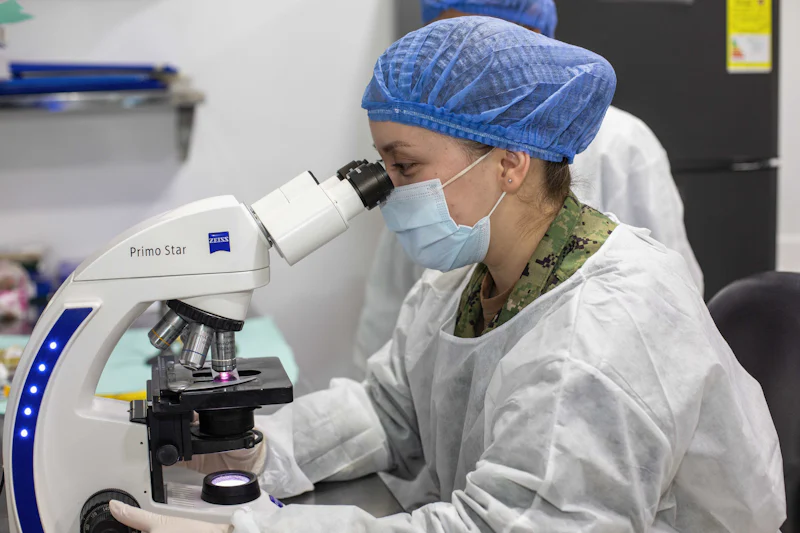
To lay a strong foundation, look for universities under the Double First Class (双一流 - World Class Universities and First Class Disciplines) initiative. Programs such as those at Tsinghua, Peking University, or the University of Science and Technology of China offer English-taught master’s degrees specifically for international students. When researching these programs, use the China Scholarship Council (CSC - 国家留学基金委员会) website to check for full funding opportunities. These scholarships often cover tuition, medical insurance, and a monthly stipend, which is essential for managing living expenses during your two to three-year master’s course.
Navigating the PhD Application Process
Transitioning from a master’s to a PhD in China is best achieved by establishing direct contact with a potential supervisor before formal submission. Review their recent publications in journals like Nature or Cell to ensure your interests overlap. When reaching out, provide a concise CV and a research proposal that demonstrates an understanding of the lab’s specific methodologies. Remember that admission cycles typically open in early spring; applying through the Chinese University Graduate Admission System (中国研究生招生信息网) requires meticulous preparation of notarized academic transcripts and recommendation letters.
Mastering Lab Etiquette and Workflow
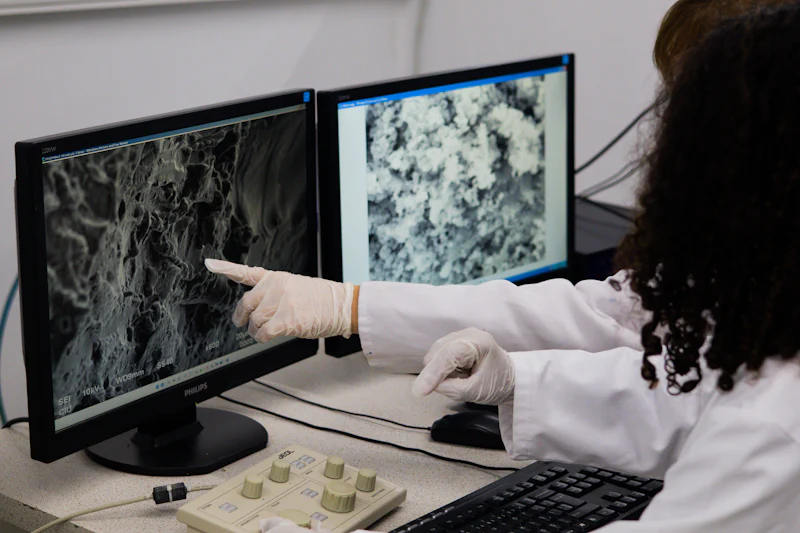
Once you join a lab, understanding local workplace culture is just as important as your technical skills. Chinese research environments often emphasize long hours and a strong hierarchy, which may differ from Western academic settings. Participation in weekly group meetings is mandatory, and you are expected to present updates in both English and, ideally, basic Mandarin. Familiarizing yourself with local laboratory management software and safety protocols—often communicated in Chinese—is vital. If you find language barriers, utilize tools like DeepL for technical document translation to ensure compliance with lab safety standards.
Building Professional Networks
Professional growth in China is driven by personal connections. Attend conferences hosted by the Chinese Society for Cell Biology or similar professional bodies to meet peers and mentors. Using professional platforms like LinkedIn or local equivalents, join groups dedicated to international researchers in China. Networking with fellow international students who have successfully navigated the visa-to-residency transition can provide practical advice on housing, healthcare, and research grant applications that official university handbooks might omit. Always keep your Residency Permit (居留许可) status up to date to ensure you remain eligible for institutional grants and external funding opportunities.
Securing a career in Chinese biology research is a process of integrating your specialized scientific knowledge with the specific, merit-based structures of local academic institutions. What is the biggest hurdle you have encountered when reaching out to potential research supervisors at Chinese universities?
Quick Takeaways:
- Target Double First Class universities for superior research infrastructure and better funding potential.
- Apply for the China Scholarship Council program to cover tuition and living expenses.
- Reach out to prospective supervisors directly by citing their recent peer-reviewed research papers.
- Master basic technical Mandarin to better communicate during mandatory lab group meeting sessions.
#biologychina #researchcareer #studyinshina
