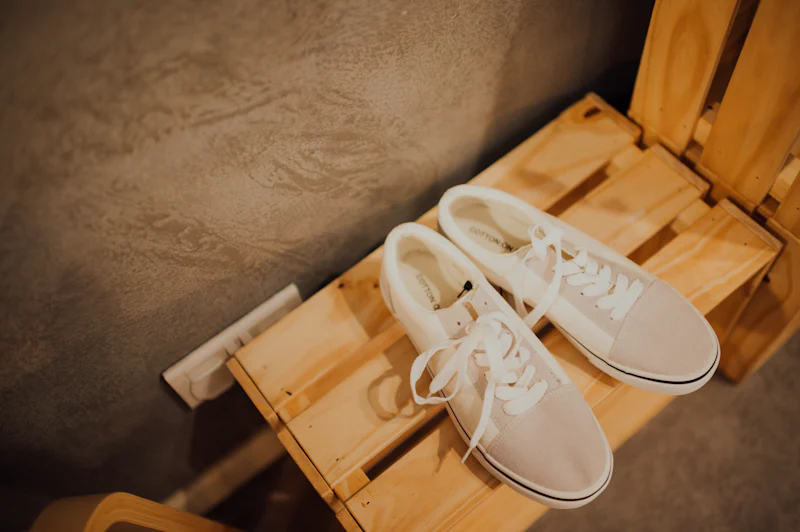
If you are visiting a home in China, one of the first things you will likely notice at the front door is a pile of shoes or a dedicated shoe cabinet (xuanguan). Taking off your shoes before entering is a standard practice across the country, though the "rules" can vary depending on the occasion and the specific household.
The Logic Behind the Custom
The primary reason for removing shoes is practical: hygiene. In Chinese cities, streets can be dusty, and people are highly conscious of tracking bacteria, dirt, and urban grime onto their floors.
- Floor Types: Many modern Chinese homes feature hardwood or polished tile floors. Keeping these surfaces clean is a point of pride for the host.
- Comfort: After a long day of work or commuting, switching to slippers is seen as the first step to relaxing at home.
The "Slipper Culture"
In most cases, you won't be expected to walk around in your socks or barefoot.
- Guest Slippers: Almost every Chinese household keeps a stash of "guest slippers" (kèrén tuǒxié) near the door. These are often plastic or fabric slides that the host will set out for you as soon as you arrive.
- Bathroom Slippers: Don't be surprised if you see a separate pair of waterproof rubber slippers inside the bathroom. It is common to swap your house slippers for these "wet room" shoes to keep the rest of the house dry.
Is it Always Mandatory?
While taking off shoes is the default, there are a few exceptions:
- Big Parties: If a host is throwing a large gathering with dozens of guests, they may tell everyone to keep their shoes on because they simply don't have enough guest slippers, or they plan to deep-clean the floor afterward anyway.
- Short Visits: If you are just dropping something off at the door and don't intend to sit down, the host might say "bùyòng tuō xié" (no need to take off shoes).
- Public vs. Private: Unlike in Japan, you generally do not take off your shoes in public places like restaurants or offices in China, unless it is a specific type of traditional establishment or a specialized play area for children.
Evolution of the Tradition
Historically, the "no shoes" rule was even stricter when people sat on floor mats (similar to Japanese tatami). After the Han Dynasty, as chairs became common, the practice became less about ritual and more about cleanliness. Today, it is simply considered polite behavior.
Pro-Tip for Visitors
If you aren't sure what to do, just look at the floor near the entrance. If you see a row of slippers or a stack of shoes, it’s a clear sign to start unlacing. Even if the host politely tells you to keep them on, offering to take them off is seen as a sign of respect for their home.
#ChineseEtiquette #LivingInChina #ChineseCulture #TravelTipsChina #AsianHousehold
