Being the only foreigner in a Chinese research group requires moving beyond the role of a passive observer to become an active, integrated participant in the lab ecosystem. The most effective way to overcome your 'outsider' status is to bridge the language and cultural gap through shared routines and consistent professional reliability. While the language barrier can feel insurmountable, your colleagues often value diligence and collaborative spirit over perfect Mandarin. By understanding the underlying social hierarchies and local work customs, you can transform your isolation into a unique position as a valued, well-connected team member.
Master the Unspoken Lab Rituals
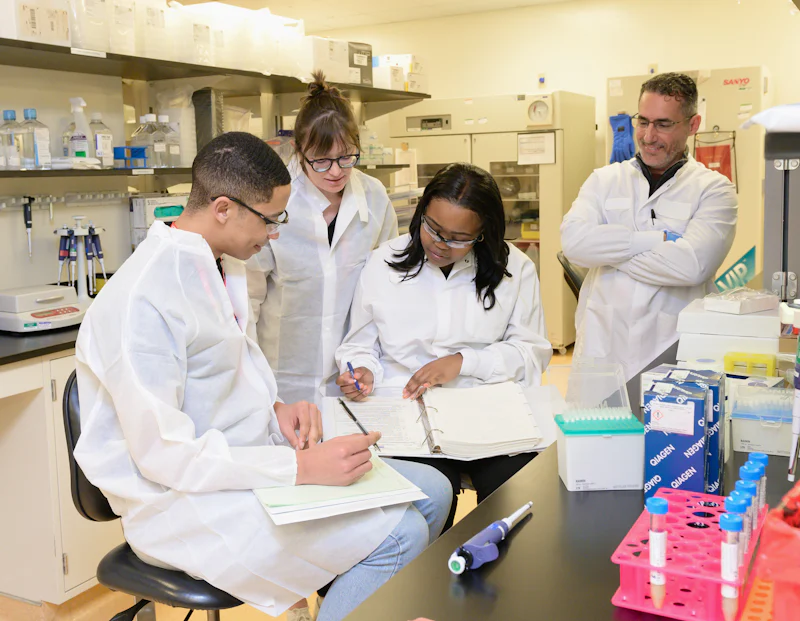
Chinese academic culture revolves around collective habits that happen outside the actual research. The most common ritual is the group lunch. If your colleagues head to the campus canteen (食堂, shítáng), join them every single time, even if you feel you have nothing to contribute to the conversation. Use this time to observe the group dynamics and office politics. If you are invited to participate in tea breaks or group outings, prioritize these over finishing an extra hour of data analysis. Building rapport occurs in the informal spaces between experiments. If you use 微信 (WeChat), ensure you are in the group chat and occasionally share photos of your research progress or local lunch spots to show you are engaged with the community.
Navigate Professional Hierarchies
Understanding the role of the 'Laoshi' (老师, teacher/professor) is vital. In Chinese research groups, the professor is not just an advisor; they are often a central authority figure. Observe how your peers address the professor and how they present their updates. You should aim to be 'diligent' (勤奋, qínfèn), which is a highly respected trait in Chinese academia. Arrive early and leave at a reasonable time, mirroring the group’s work rhythm. When you have technical questions, approach your peers before going to the professor, but always respect the chain of command. If you receive feedback, acknowledge it clearly and follow up promptly, as responsiveness is viewed as a sign of respect and professional commitment.
Bridge the Language Barrier Through Action
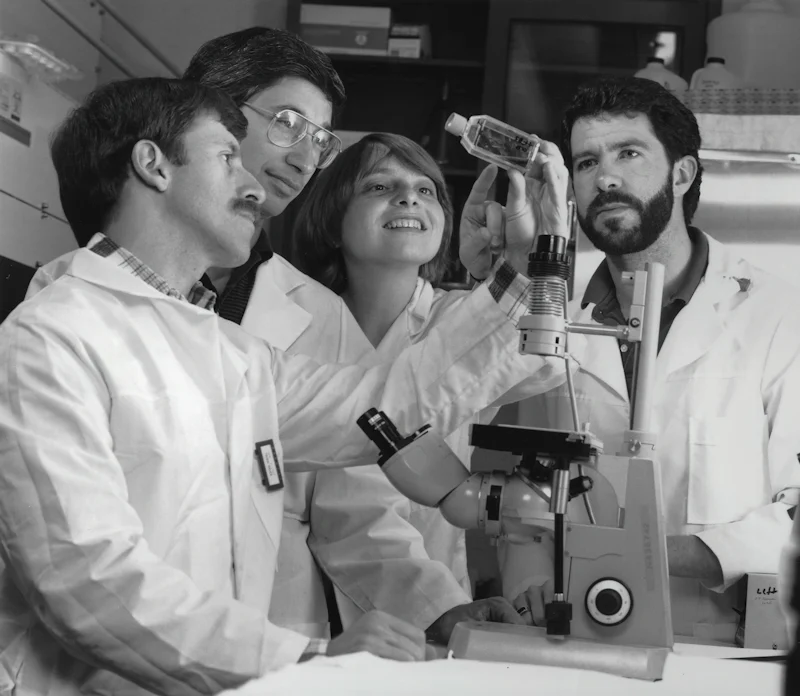
You do not need to be fluent in Mandarin to build deep relationships, but learning specific 'lab jargon' helps significantly. Ask your peers for the Chinese terms for your specific instruments or methodologies. When you show genuine interest in their native language and local habits, you demonstrate humility and openness. Conversely, offer to help with English-language tasks, such as proofreading an abstract or checking a paper submission before a deadline. This reciprocal relationship—where you provide value through your language skills while they provide cultural guidance—is the fastest way to integrate into the social fabric of the lab. Always clarify expectations regarding group chores, such as cleaning shared lab benches, to avoid misunderstandings that might be perceived as a lack of teamwork.
Handle the Isolation Factor
It is normal to feel periods of loneliness when your colleagues revert to fast-paced Mandarin. Use these moments to build a support network outside the lab with other international PhD students. Having a 'safety valve' allows you to process cultural fatigue without taking it out on your lab mates. Maintain a balance: participate fully during working hours, but nurture your own hobbies and friendships outside the university environment to ensure your personal well-being remains stable throughout your research career in China.
Success in a Chinese lab is defined more by your social integration and commitment to the collective team than by your individual output alone.
How have you successfully bridged the social gap with your local colleagues during your time in a Chinese academic institution?
Quick Takeaways:
- Prioritize attending the group lunch to build essential rapport with your colleagues
- Demonstrate dedication through consistent work hours and responsiveness to group feedback
- Exchange value by proofreading English drafts for colleagues who assist your research
- Observe the local hierarchy closely to understand how to interact with your professor
#academicchina #phdlife #culturalintegration
