Navigating the 24-hour visa-free transit with a domestic transfer is entirely possible, provided you confirm your itinerary involves a single stop within the mainland and ensures your bags are checked through to your final international destination. The core rule is that you must arrive at an international airport, obtain the temporary entry permit, and remain within the designated transit area or proceed directly to your connecting domestic flight without clearing immigration at the secondary city. While the policy sounds intimidating, it relies on strict coordination between your airline and the airport authorities.
Understanding the 24-hour transit eligibility
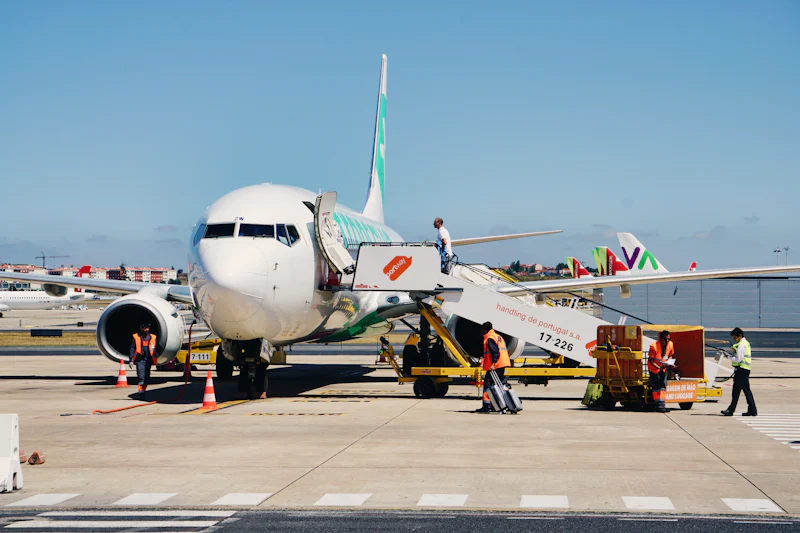
The 24-hour visa-free transit is available to travelers of most nationalities who have a confirmed onward ticket to a third country or region within 24 hours. The most important detail is that your journey must be international, meaning you cannot use this to hop between two domestic Chinese cities. If you arrive in Beijing (PEK) and have a connecting flight to Shanghai (PVG), you are treated as a domestic passenger once you clear the initial immigration checkpoint. Always verify your flight path; if you land in China, you must exit the country from a different port or the same port within 24 hours to stay compliant with 过境免签 (guòjìng miǎnqiān, visa-free transit).
Handling the domestic transfer leg
When you land in your first Chinese city, head directly to the designated transit counter rather than the general immigration line. Look for signs marked 'International Transfer' or 'Visa-free Transit.' You will need to present your passport, your boarding pass for the domestic leg, and your onward international ticket. The immigration officer will issue a temporary entry permit, often a stamp or a sticker in your passport. Be aware that not all airports are equipped for this; major hubs like Beijing Capital, Shanghai Pudong, or Guangzhou Baiyun are the safest bets. Smaller regional airports may not have the staff trained for 24-hour transit processing, which can lead to significant delays.

Common pitfalls and document preparation
Many travelers assume they can leave the airport during a long layover. While the permit technically allows you to enter the city, the domestic transfer process often makes this impractical. If your flight arrives at a domestic terminal after the transfer, you are effectively inside the country. If you plan to leave the transit area, you must complete the 临时入境许可 (línshí rùjìng xǔkě, temporary entry permit) procedure at the immigration desk. Ensure all your documents are printed in English. Relying on phone screens for digital tickets can be risky if your battery dies or if the scanner cannot read your barcode. Always have a paper copy of your flight itinerary showing the full route.
Utilizing helpful digital tools
If you find yourself with an extended layover and need to navigate the airport, download 支付宝 (Alipay) to handle any quick purchases or to use the mini-programs for airport maps. Most major Chinese airports have free Wi-Fi, but you will need to scan your passport at a designated kiosk to receive a login code via SMS. Avoid relying on public roaming data if you have not set up an international roaming plan before departure, as it can be prohibitively expensive. Staying connected is vital for tracking your domestic flight status, which can be prone to delays due to air traffic control regulations.
The most critical aspect of the 24-hour transit is ensuring your domestic connection is clearly documented on your original booking so that the immigration authorities treat the entire trip as a single transit itinerary. Have you ever successfully navigated a multi-stop transit in China, or did you encounter unexpected hurdles at the immigration checkpoint?
Quick Takeaways:
- Ensure your onward ticket to a third country is within 24 hours.
- Verify your transit airport is equipped for international-to-domestic transfer procedures before booking.
- Print physical copies of all flight itineraries and your passport information page.
- Use the airport transit desk, not the standard immigration line for entry.
#chinatravel #visafreetransit #expatchina
