Finding authentic music events in China relies on moving beyond mainstream commercial venues and tapping into localized digital ecosystems, primarily through WeChat mini programs and niche community platforms. The underground electronic scene in cities like Shanghai and Chengdu is vibrant but decentralized, requiring you to shift your discovery strategy from broad search engines to targeted social tools. By leveraging the right platforms and following key curators, you can bypass the commercial mainstream and access the heart of the country's independent music culture.
Leveraging WeChat Mini Programs
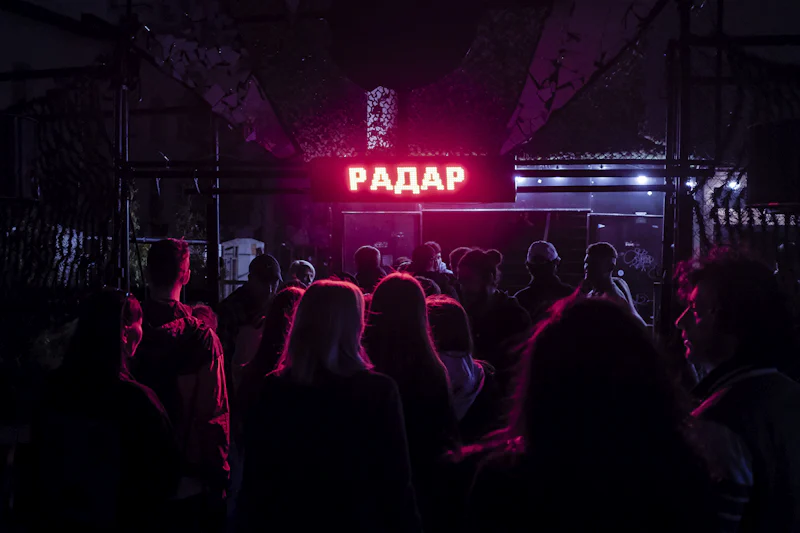
The most essential tool for event discovery is 秀动 (Showstart), a comprehensive mini program that acts as the primary ticketing and information hub for most independent gigs. While it carries a mix of mainstream indie acts, the filter system allows you to search by genre, such as "Electronic" or "Experimental." Another vital tool is 小红书 (Xiaohongshu). While it serves as a lifestyle platform, searching for specific club names or event series like "Underground Shanghai" or "Chengdu Techno" will yield current posts from promoters and DJs that you will not find on international sites. Follow these accounts to see which local venues they frequent.
Navigating the Shanghai and Chengdu Scenes
Shanghai remains the epicenter for international-standard underground electronic events. Focus your attention on venues in the Xuhui or Jing'an districts that prioritize curated lineups over bottle service. To find these, search for the official accounts of collectives rather than just clubs. In Chengdu, the scene is more intimate and community-driven. Venues in the Yulin area often host experimental nights that do not use traditional ticketing. For these, you must rely on 微信朋友圈 (WeChat Moments). Adding local promoters and DJs as contacts is the only way to receive invitations to semi-private, warehouse-style events that operate under the radar of larger booking platforms.
Utilizing Digital Mapping and Review Platforms
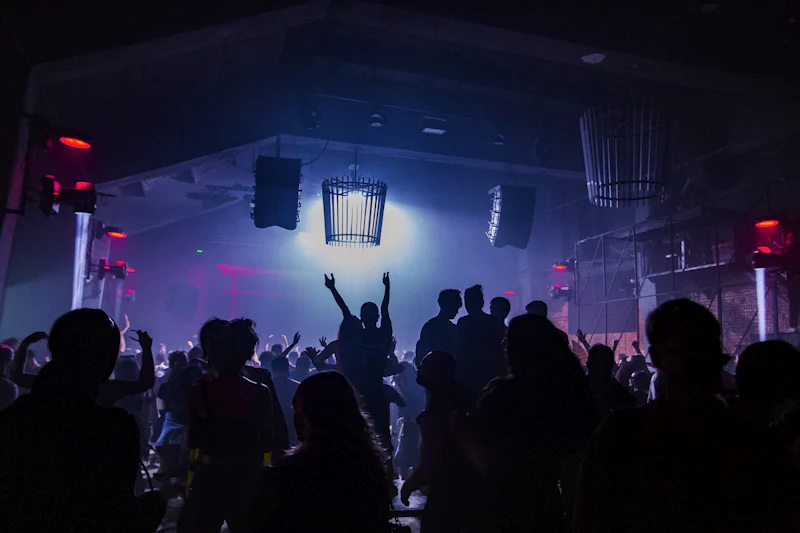
Use 大众点评 (Dazhong Dianping), China’s primary review app, not for the ratings, but for the photo galleries. When looking up a club, ignore the overall score and scroll directly to the most recent user-uploaded images of the venue's interior and event flyers. If you see professional lighting rigs or specific DJ equipment setups, it indicates a focus on music rather than just social dining. Furthermore, checking the venue's "official account" (公众号) within WeChat is non-negotiable. Most professional underground promoters in China publish their monthly schedules exclusively through these long-form posts, often containing deep-links to ticket purchasing pages.
Common Pitfalls to Avoid
Do not rely on international event platforms or Facebook groups; they are often outdated or dominated by commercial promoters. Always check the venue’s location on 高德地图 (Amap) before traveling, as clubs in China frequently relocate or close for renovations without notice. Finally, keep an eye on the timing. Independent music venues usually do not start their peak performances until after 11:00 PM, and many venues require a digital health code or simple registration at the door even for non-ticketed events. Being part of the right WeChat group is often more valuable than any app-based search.
Success in discovering China's underground music scene depends entirely on transitioning from passive searching to building a network of local curator contacts. Which city in China do you think currently hosts the most innovative underground electronic scene?
Quick Takeaways:
- Use Showstart to find legitimate ticketing and listings for independent electronic music events.
- Follow specific music collectives on WeChat to get updates on semi-private underground parties.
- Check Dazhong Dianping photo galleries to verify the professional quality of music venues.
- Always confirm venue details on Amap before departing to ensure the club is active.
#chinamusic #undergroundchina #shanghainightlife
