Life in Yiwu for foreigners is defined by its hyper-specialized commercial rhythm, offering a globalized environment that feels vastly more accessible than the sprawling intensity of tier-1 cities like Beijing or Shanghai. While you sacrifice the massive museum networks and cosmopolitan nightlife of a capital city, you gain a highly efficient, international business hub that caters to traders from over 100 countries. In Yiwu, the convenience of a compact, trade-focused city outweighs the logistical hurdles of navigating the massive infrastructure of a metropolis, making it an ideal environment for those focused on commerce and community-driven living.
Navigating the Commercial Pulse
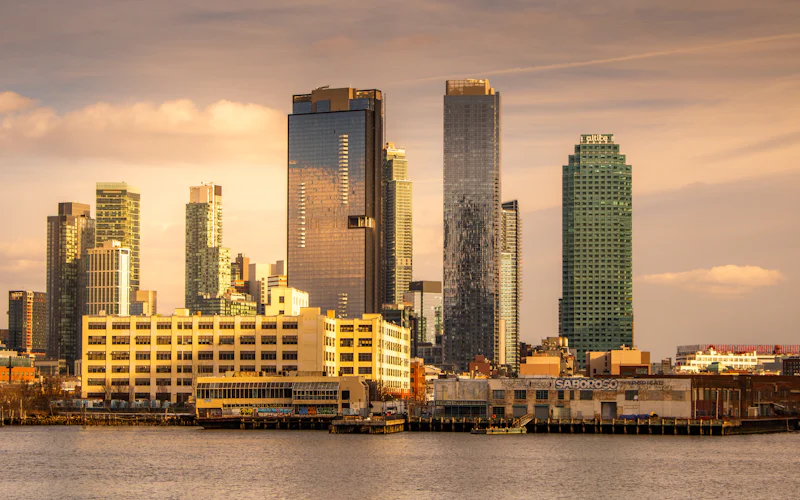
Unlike the corporate office culture of Beijing, Yiwu is built entirely around the Yiwu International Trade Market (义乌国际商贸城). This massive wholesale hub dictates the pace of the city. For residents, this means an infrastructure designed for speed and logistical ease. You will find that most business in the city is conducted via 微信 (WeChat) and 支付宝 (Alipay), which are universal in China but even more critical here for rapid B2B transactions. The city is flatter and more navigable, often requiring less time spent in gridlock traffic compared to the capital, allowing for a more flexible daily schedule.
Mastering Public Transport and Connectivity
Yiwu’s transport system is tailored for moving people efficiently between commercial districts. The city features a modern bus network and a high-speed train station, the Yiwu Railway Station (义乌站), which connects you to Shanghai in under 90 minutes. Unlike the complex, multi-line subway mazes found in tier-1 cities, Yiwu’s transit is straightforward. Residents often rely on a mix of public buses and private ride-hailing services like 滴滴 (DiDi), which are exceptionally responsive given the city’s dense layout. If you prioritize easy access to major shipping hubs and regional transit over extensive tourist infrastructure, Yiwu’s logistics will rarely disappoint.
Finding Community in a Tier-3 Hub
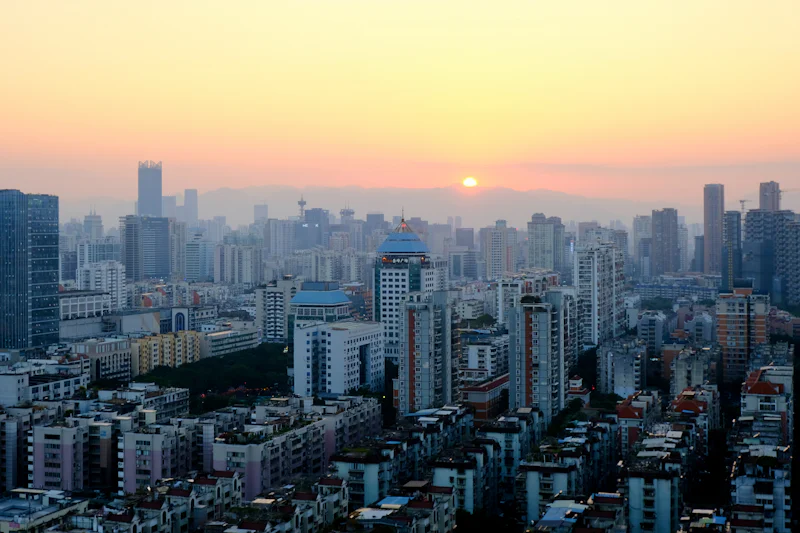
Expat living in Zhejiang often revolves around the unique cultural melting pot Yiwu provides. Because thousands of international merchants reside here, you will find a diverse culinary scene that mimics global tastes, from Middle Eastern bakeries to authentic Indian restaurants. However, you should not expect the same level of English-language administrative support found in embassies or expat-heavy districts of Beijing. Mastering basic Mandarin for daily tasks remains a distinct advantage. Local residential areas are generally more affordable, and the cost of living is significantly lower, allowing for a higher quality of life regarding housing and dining compared to the premium prices in tier-1 markets.
Adapting to Local Business Rhythms
The primary challenge for newcomers is aligning with the city’s unique, market-driven calendar. Local businesses and services may fluctuate in activity based on the wholesale market cycles and major trade fairs like the China Yiwu International Commodities Fair (义乌国际小商品博览会). It is crucial to stay updated on market closure dates, as they influence the city's overall vibe. While Beijing operates on a standard government-aligned schedule, Yiwu’s pulse is dictated by supply chains. Staying flexible and keeping your legal documents, such as your 居留许可 (Residence Permit), organized through local agents is standard practice for long-term residents.
Choosing a specialized commercial city means trading institutional scale for logistical efficiency and a more intimate, trade-focused international community. Which aspect of moving to a smaller Chinese city do you find most intimidating, the language barrier or the change in pace?
Quick Takeaways:
- Yiwu offers a faster, more affordable cost of living than major tier-1 cities.
- Use the high-speed train to reach Shanghai in less than 90 minutes easily.
- Download both Alipay and WeChat to manage all your daily local financial transactions.
- Rely on local trade market schedules to understand the city's active business periods.
#yiwulife #expatchina #livinginChina
