Public health in China has seen a dramatic transformation over the past few decades. According to data from the World Health Organization (WHO), China’s "healthy life expectancy"—the number of years a person can expect to live in good health—has recently surpassed that of the United States, reaching approximately 68.7 years.
The Traditional Foundation of Health
Much of China’s health success is attributed to long-standing cultural habits and dietary traditions:
- Dietary Structure: The traditional Chinese diet is plant-forward, emphasizing a high volume of vegetables, fiber, and soy products. Meat is often used as a garnish or flavor enhancer rather than the main focus of a meal.
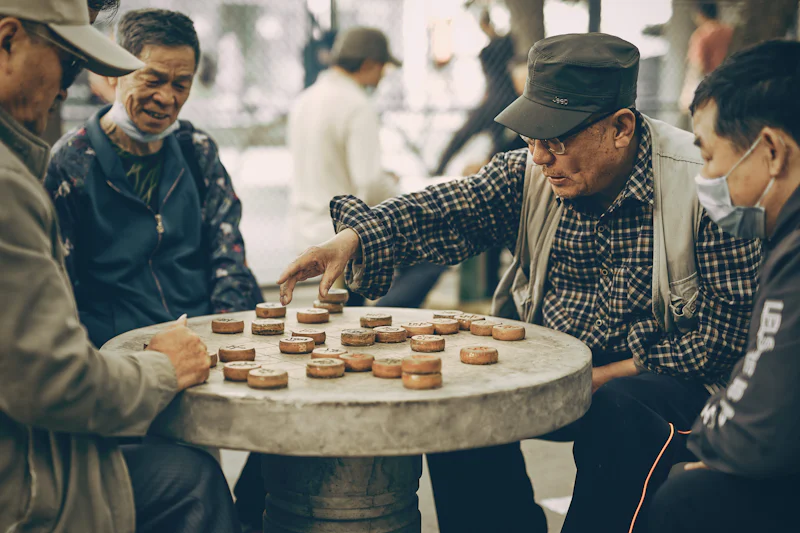
- Active Lifestyles: In many cities, you will see "public square dancing" (guangchangwu) and Tai Chi in parks every morning and evening. This social and physical activity among the elderly contributes to high levels of mobility well into their 80s.
- Warm Water Culture: A unique health habit is the preference for drinking warm water. Many Chinese believe that cold drinks disrupt the body's internal balance (Qi), and staying hydrated with warm liquids is a cornerstone of daily wellness.
Key Health Statistics (2024-2026)
While overall longevity is increasing, modernization has brought new challenges to the Chinese population:
- Obesity Rates: Historically very lean, China is now seeing a rise in weight-related issues. Approximately 16.4% of adults are now classified as obese, and over 34% are considered overweight.
- The "Three Highs": The most common chronic health concerns in China are known as the "Three Highs"—high blood pressure (hypertension), high blood sugar (diabetes), and high blood lipids (cholesterol). Over 140 million adults in China are living with diabetes.
- Smoking: Tobacco use remains a significant public health hurdle, particularly among men. China is the world's largest producer and consumer of tobacco, which contributes to high rates of respiratory and cardiovascular diseases.
Urban vs. Rural Disparities
Health outcomes can vary significantly depending on geography.
- Urban Areas: Residents in tier-one cities like Beijing or Shanghai have access to world-class medical facilities and generally have a higher life expectancy, often exceeding 80 years.
- Rural Areas: While the government has expanded basic medical insurance to cover over 95% of the population, rural regions still face challenges in accessing specialized care and managing chronic conditions like stroke and heart disease.
Environmental Factors
Rapid industrialization has previously impacted health via air and water quality. However, massive state investment in "Green China" initiatives has led to a significant decrease in particulate matter (PM2.5) in major cities over the last five years, leading to a measurable improvement in respiratory health statistics.
In summary, while the average Chinese citizen is living longer and healthier than ever before, the shift toward a sedentary "modern" lifestyle is creating a new wave of health challenges that the country is currently working to address through national fitness initiatives.
#HealthInChina #HealthyLifeExpectancy #ChineseDiet #Wellness #LifeInChina
