Studying Mandarin in Chengdu is an immersive experience that balances academic rigor with a relaxed lifestyle, making it one of the most accessible environments for language learners in China. While Beijing offers the standard dialect and Shanghai provides a fast-paced business environment, Chengdu’s slower pace of life—often referred to as 'man shenghuo' (slow life)—allows students to practice their conversational skills with locals who are notoriously more patient and friendly compared to those in larger financial hubs.
Choosing the Right Academic Environment
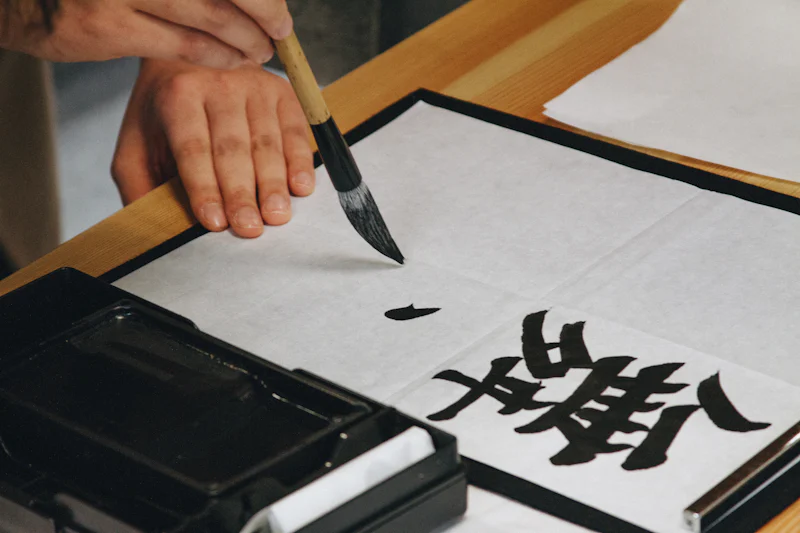
Most international students choose between university-run language centers or private language institutes. Sichuan University and Southwest Jiaotong University are the primary hubs for full-time language programs. These provide a structured environment, official student visas, and access to campus facilities. Private institutes, conversely, offer flexible scheduling, which is ideal if you are balancing part-time work or internships. Before you enroll, verify if the school is authorized to provide the JW202 form, which is the necessary documentation for your student visa application.
Leveraging the Local Dialect
While the goal is to learn Putonghua (Standard Mandarin), you will inevitably hear Chengduhua (Chengdu dialect) on the streets. Do not let this discourage you. Most locals are bilingual; they speak the local dialect among themselves but switch to standard Mandarin when interacting with students. Engaging with locals at a chaguan (teahouse) is the best way to bridge the gap between textbook language and practical communication. Start by learning a few basic phrases of the local dialect, as this is often seen as a sign of respect and will open doors for more authentic conversations.
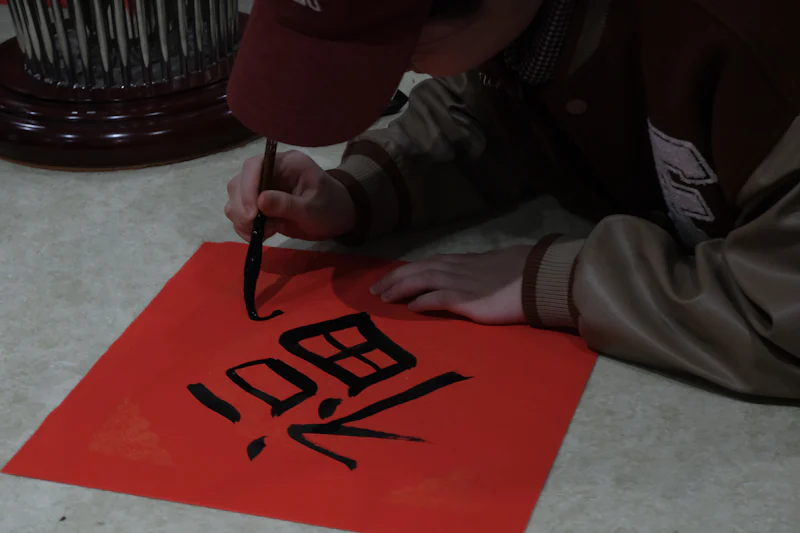
Managing Daily Practicalities
Living in Chengdu requires mastering the digital infrastructure that defines modern Chinese daily life. Ensure your phone is fully integrated with 支付宝 (Alipay) and 微信 (WeChat), as these are mandatory for everything from paying tuition and rent to ordering food via 美团 (Meituan). When looking for accommodation, proximity to the subway lines—specifically lines 1, 2, or 3—is essential for easy commuting to class. Aim for the Wuhou or Jinjiang districts if you want to be within walking distance of social hubs and popular cafes where students congregate to study.
Transitioning from Classroom to Life
One of the biggest hurdles for students is the 'language barrier wall' that occurs after three months. To break through this, prioritize extracurricular activities. Chengdu has a thriving expat community combined with a rich local art scene. Look for yuyan jiaohuan (language exchange) events held at local libraries or community centers. These gatherings provide a low-pressure environment to test the grammar structures you learned in class during the morning against the messy, fast-paced reality of spoken Chinese. Always carry a digital dictionary like Pleco, which remains the gold standard for learners in the country.
Success in Chengdu comes from balancing your structured classroom hours with the spontaneous, often informal, practice opportunities provided by the city's unique social culture. Have you found that specific mobile apps or local community groups have been more effective in improving your spoken fluency than formal classroom exercises?
Quick Takeaways:
- Verify your school provides the JW202 form for your visa application process.
- Use public transit lines 1, 2, or 3 for easier school commuting.
- Practice your Mandarin at local teahouses to experience authentic, conversational daily language.
- Integrate Alipay and WeChat into your daily routine before arriving in China.
#studyinchina #chengdulife #mandarinlearning
