Traveling during a China public holiday requires aggressive advance planning and the strategic avoidance of tier-one tourist hotspots to avoid the inevitable sea of crowds. If you hope to enjoy a relaxing trip, you must accept that popular destinations like Chengdu, Sanya, or the Great Wall will be operating at double their intended capacity. The most successful travelers prioritize secondary cities or rural regions where transport infrastructure is adequate but demand is lower. By adjusting your expectations and utilizing digital tools for logistics, you can navigate these peak travel periods without becoming part of the congestion.
Mastering Train Logistics and 12306
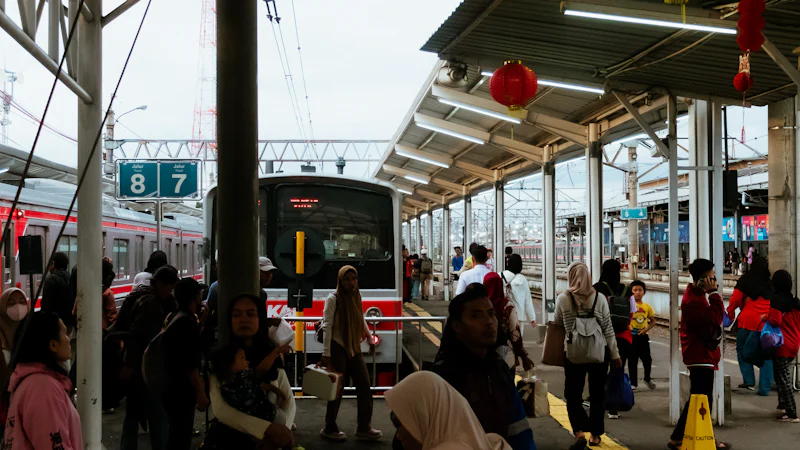
Train tickets for major holidays typically open 15 days in advance on the official 12306 app. For popular routes, tickets often sell out in seconds. You should use the 'waitlist' (候补) feature, which allows the system to automatically grab a ticket if someone cancels. When booking, prioritize high-speed rail (高铁) stations that are further from the city center, as these are often less crowded than major hubs like Chengdu East or Shanghai Hongqiao. Always carry your passport, as automatic gates may not recognize foreign passports, and you will need to head to the manual service window (人工通道).
Avoiding the Holiday 'Crush'
Major hubs like Chengdu are notorious during holidays. If you are starting your trip from a major metropolitan center, your biggest hurdle is simply exiting the city. Avoid traveling on the first and last days of the holiday, as these are peak congestion windows for highways and airports. Instead, consider 'reverse travel'—visiting business hubs that empty out when locals return to their hometowns. Alternatively, look for destinations reachable by a 3-4 hour train ride that lack 'A-grade' national tourist attractions, as these sites often host the densest crowds.

Digital Tools for Real-Time Navigation
Navigation during a holiday is best managed through 高德地图 (Amap). This app provides real-time traffic updates and, more importantly, a crowd-level indicator for many popular tourist spots. Before heading to a site, check the app to see if it is currently experiencing 'heavy crowding' (拥挤). If the map shows red, pivot immediately to a secondary attraction. Additionally, use 支付宝 (Alipay) to link your health codes or transport passes if required, ensuring you have all digital credentials ready before arriving at the station to prevent bottlenecks.
Strategic Destination Selection
Categorize your destination based on its 'chaotic' potential. Destinations like the Yellow Mountains or Lijiang are almost guaranteed to be overwhelmed. Instead, focus on provincial-level cities with rich history but lower international profiles, such as those in Gansu or northern Liaoning. These regions often offer a more authentic cultural experience without the multi-hour queues for shuttle buses or cable cars. If you must visit a famous site, book a private car via 滴滴 (Didi) or arrange a local guide through 携程 (Trip.com) to help bypass standard public ticket queues where possible.
Effective holiday travel in China relies on booking transportation the moment it becomes available and avoiding the most heavily marketed tourist destinations. Have you discovered any hidden travel gems that remained peaceful even during a major Chinese national holiday?
Quick Takeaways:
- Book train tickets exactly 15 days in advance using the official 12306 app.
- Utilize the waitlist feature on 12306 to secure seats after initial sellouts occur.
- Use Amap to check real-time crowd congestion levels before visiting specific tourist sites.
- Avoid traveling on the first and final days of the holiday to reduce congestion.
#travelchina #chinatips #holidaytravel
