Yes, China holiday travel crowds are genuinely as intense as the internet suggests, but they are entirely manageable if you adjust your expectations and logistics accordingly. During peak windows like the October 'National Day' (国庆节, Guóqìngjié) or the 'Spring Festival' (春节, Chūnjié), hundreds of millions of people move across the country simultaneously. The chaos isn't just a myth; it is a structural reality of domestic tourism. However, by choosing your timing and locations strategically, you can still enjoy traveling in China without spending your entire vacation stuck in a queue.
The Reality of Golden Week Logistics
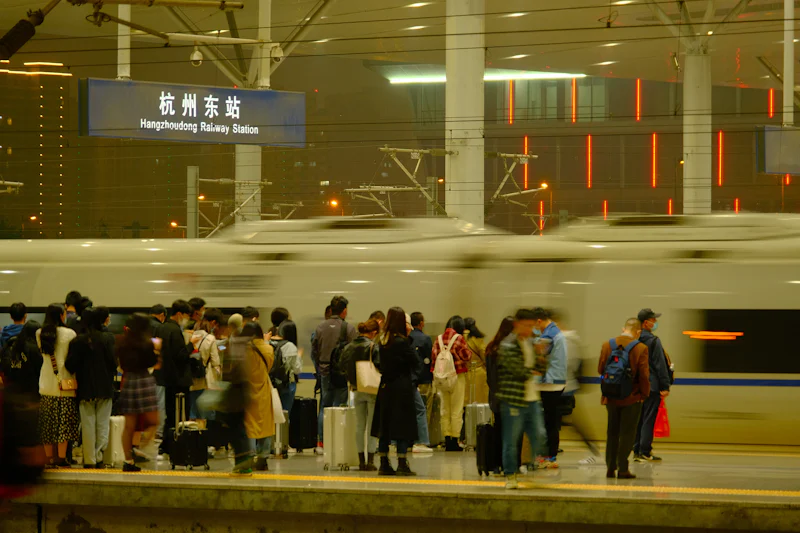
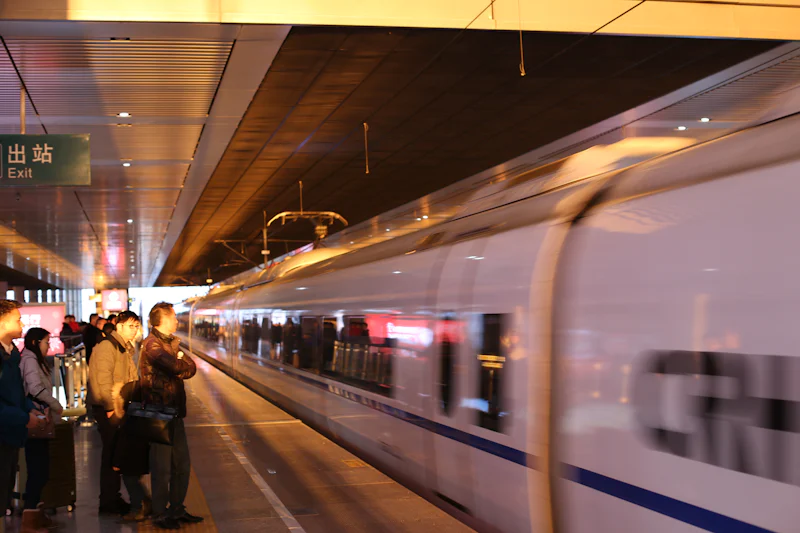
The most important lesson is that during Golden Week, every major tourist attraction—from the Great Wall to the West Lake—will reach its maximum capacity. You must book high-speed rail tickets exactly 15 days in advance via the 12306 mobile application, as they often sell out within minutes of release. If you rely on walk-up tickets or last-minute planning, you will almost certainly be stranded. Expect the physical train stations to be packed; arrive at least 90 minutes before your scheduled departure to account for security checks and terminal navigation.
Identifying Hot Versus Hidden Destinations
Avoid 'Tier 1' tourist destinations during national holidays at all costs. Locations like Beijing, Shanghai, Sanya, and Chengdu experience extreme strain on infrastructure, leading to inflated hotel prices and gridlocked roads. Instead, look for 'hidden' gems in less-visited provinces. For example, consider visiting the mountainous regions of Guizhou or the border towns in Inner Mongolia. These areas offer authentic cultural experiences and natural beauty without the crushing density of the primary tourist corridors. Use the 高德地图 (Amap) app to check real-time traffic congestion heatmaps before deciding on a specific route.
Strategic Timing for Off-Peak Experiences
If you must travel during a holiday window, shift your schedule by 24 hours. Most domestic tourists begin their travel on the first day of the holiday and return on the final day. By departing a day early and returning a day late, you can avoid the worst of the infrastructure bottlenecks. Additionally, use 支付宝 (Alipay) to manage your hotel and attraction bookings, as many sites now require digital reservations for entry slots to limit crowd density. Aim to visit popular sites at sunrise; by 10:00 AM, the massive tour groups from larger cities will have already arrived, making photography and movement nearly impossible.
Handling the Digital Queue
Digital literacy is your best defense against holiday stress. Many museums and nature parks in China now require booking through a 微信小程序 (WeChat Mini-program) linked to your passport. Do not assume you can purchase a ticket at the gate. Check the official WeChat account of the specific attraction three days prior to your visit. If a venue is marked as 'full' (满员), do not attempt to visit, as security will deny entry regardless of your distance traveled.
Mastering travel in China is less about avoiding crowds entirely and more about choosing your battles by planning your logistics several weeks ahead of the departure date.
What is the most successful 'hidden' destination you have discovered in China that remained peaceful even during a major public holiday?
Quick Takeaways:
- Book all high-speed rail tickets exactly 15 days in advance on 12306.
- Avoid Tier 1 cities during national holidays to ensure a smoother experience.
- Always check WeChat mini-programs for mandatory advance entry reservations for attractions.
- Shift your travel dates by 24 hours to miss the peak holiday bottlenecks.
#chinatravel #goldenweek #expatlife
