The 24-hour visa-free transit in China is a streamlined program that allows travelers to transit through most Chinese airports without a visa, provided they hold a confirmed ticket to a third country or region within 24 hours. The most critical aspect to understand is that your transit begins the moment you enter the 边检 (biānjiǎn) or immigration hall, not from the moment your plane lands. This means if your layover spans across two domestic Chinese cities, the 24-hour clock is strictly enforced based on your international departure time from the second city.
Understanding Domestic Segments and Transit Logic
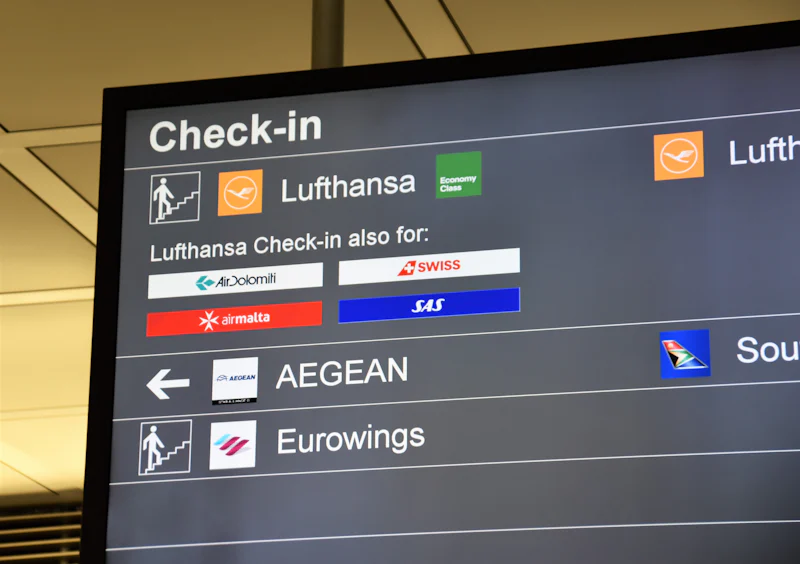
Many travelers assume that a multi-city route—such as landing in Shanghai and then flying to Beijing before departing for a third country—qualifies for the same simple transit. In reality, China domestic transfer transit procedures are more rigorous. If you land in China and have a connecting domestic flight, you must clear immigration at your first port of entry. You will be issued a temporary entry permit, often referred to as an 临时入境许可 (línshí rùjìng xǔkě). During this process, you must declare your intent to transit. Ensure you have your onward ticket printed, as immigration officers rarely accept digital boarding passes on small screens as valid proof of travel.
Managing Baggage and Customs
Handling baggage remains the most common point of failure for transit passengers. Under the 24-hour visa-free policy, you generally cannot check your bags through to your final destination if your connecting flight involves a domestic leg. You must collect your luggage at the first port of entry, pass through customs, and re-check your bags for the domestic segment. Be aware that the 海关 (hǎiguān) or customs area is distinct from immigration; you may be subject to a secondary screening of your belongings. If your connection is tight, this baggage retrieval process can easily consume 60 to 90 minutes of your 24-hour allowance.
Airport Transit Permit Protocols
Upon arrival, look for signs labeled "Transit without Visa" or "Temporary Entry Permit." You will need to fill out a blue arrival card specifically for temporary entry. Keep this document with your passport at all times, as you will need it to check into any hotel or to clear security at the domestic airport. If you choose to stay outside the airport during your transit, you are legally required to register your address. If staying in a hotel, the front desk will handle the 住宿登记 (zhùsù dēngjì) or accommodation registration automatically. If staying with friends, you must visit the local police station within 24 hours of arrival to report your stay.
Navigating Potential Delays
Always factor in potential delays at the 出入境管理局 (chūrùjìng guǎnlǐjú) or Exit-Entry Administration offices if you encounter issues with your transit status. While the 24-hour policy is generally reliable, unexpected flight cancellations can put you in a difficult position where your transit time exceeds 24 hours, effectively voiding your permit. In such cases, you must contact airport security immediately to request an extension of your temporary stay. Never attempt to leave the airport area if your flight is significantly delayed, as this may violate the terms of your entry permit.
Adhering to the strict 24-hour window requires precise planning for baggage and immigration processing at your first port of entry. Have you ever encountered unexpected delays that forced you to extend your transit permit at a Chinese airport?
Quick Takeaways:
- The 24-hour window starts when you clear immigration, not when your flight lands.
- You must collect and re-check baggage if your transit includes a domestic connection.
- Always carry a printed copy of your onward ticket to show immigration officers.
- Register your temporary address with the local police if you stay in private housing.
#chinatravel #transitvisa #traveltips
