Living in small Chinese cities offers a drastically different experience than the international hubs of Beijing or Shanghai, characterized by lower costs, faster integration into local culture, and a distinct lack of the expat 'bubble.' While the financial benefits are significant, the trade-off involves a steeper learning curve regarding language and social integration. Whether it is the right move for you depends on your priorities: if you value rapid professional networking and constant access to Western comforts, a Tier 1 city is superior, but if you seek to save money and experience authentic Chinese life, smaller cities offer a unique advantage.
Financial Advantages and Cost of Living
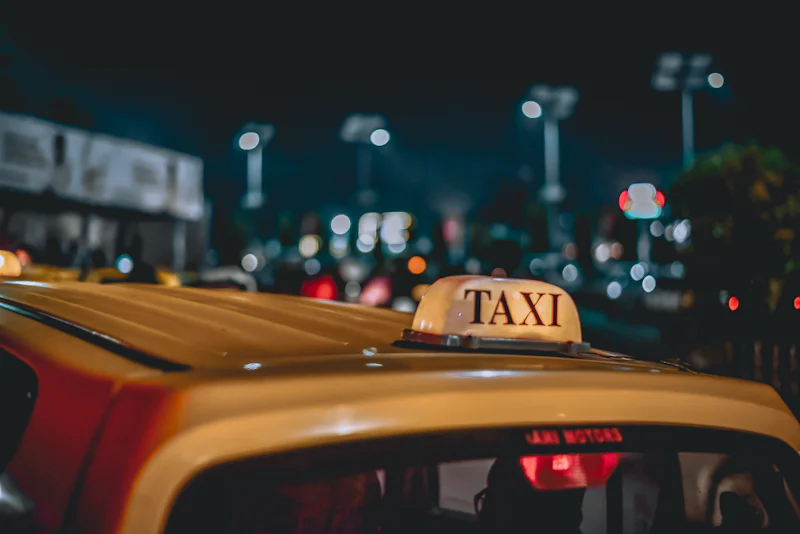
One of the primary benefits of choosing a lower-tier city, such as Yiwu or Taizhou, is the ability to maintain a higher standard of living on a lower salary. Monthly rental costs for a modern apartment in a Tier 3 city are often 50% to 60% lower than comparable units in Shanghai. When coupled with lower costs for dining and transportation, your disposable income increases substantially. Many expats find they can save significantly more per month, even when earning a lower base salary than they would in a major capital.
The Language Barrier and Social Isolation
In cities with smaller expat populations, English is rarely spoken outside of high-end hotels or international schools. You will need a functional grasp of 普通话 (Putonghua / Mandarin) just to handle daily errands like banking or visiting the hospital. There are no dedicated expat districts, which means you will be forced to engage with your local community. While this is excellent for language acquisition, it can feel isolating during your first three months. You must rely heavily on tools like 支付宝 (Alipay) and 微信 (WeChat) to navigate life, as these are the universal digital interfaces for everything from utility payments to booking doctor appointments.
Developing a Local Social Circle
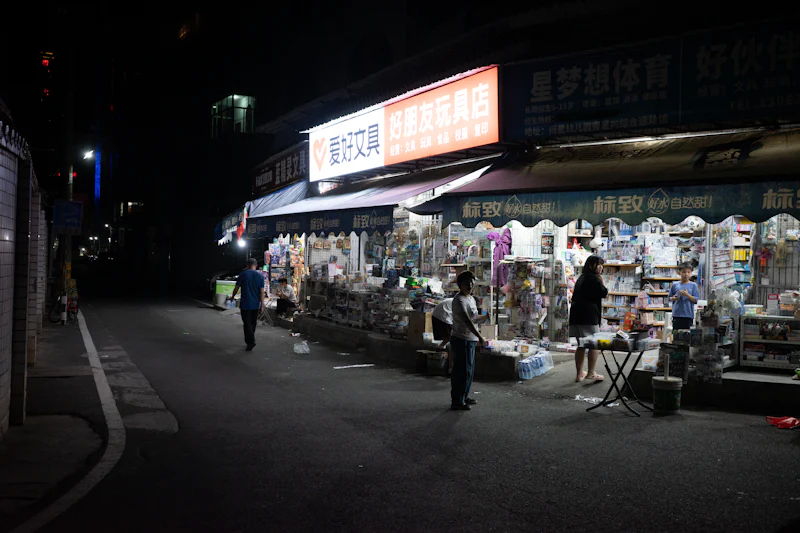
Outside of major hubs, you will likely be the only foreigner in your neighborhood or workplace. Social life typically revolves around local activities—dinner gatherings or local sports—rather than expat bars or networking events. You may find that your social status is higher in a small city, as locals are often genuinely curious and eager to include you in their social circles. However, you must be proactive in initiating these relationships, as the onus will be on you to bridge the cultural gap.
Navigating Infrastructure and Services
While big cities offer 24-hour convenience and massive variety, Tier 3 cities offer comfort at a slower pace. However, you must be prepared for the 'service gap.' Specialized imported goods are harder to find at local supermarkets, and international medical clinics are essentially non-existent. For medical care, you will likely need to rely on the local 医院 (Yiyuan / Hospital), which requires a solid understanding of how the 挂号 (Guahao / Appointment Registration) system works. Familiarizing yourself with these local protocols is essential for avoiding frustration when an emergency arises.
Success in a smaller Chinese city requires a shift in mindset from being an observer to being an active participant in your immediate community.
What is the biggest challenge you have faced when trying to integrate into a local community outside of China’s major metropolises?
Quick Takeaways:
- Expect rent costs in smaller cities to be at least half of Tier 1 prices.
- Proactive language study is mandatory since English usage is extremely limited in Tier 3.
- Master WeChat and Alipay to handle every utility and service task independently.
- Social life depends on your willingness to join local activities rather than expat networks.
#livinginchina #expatlife #tier3city
