Yes, you can bring your cat to China, but the process of moving your cat to China requires strict adherence to customs regulations to avoid mandatory 30-day quarantine. China has specific pet import regulations, and success depends on starting your preparations at least four months before your scheduled flight. By ensuring your pet has the correct microchip, rabies vaccinations, and a successful rabies antibody titer test, you can likely qualify for the exempted quarantine status, allowing you to take your companion home immediately upon arrival at the airport.
Mandatory Microchip and Vaccination Timeline
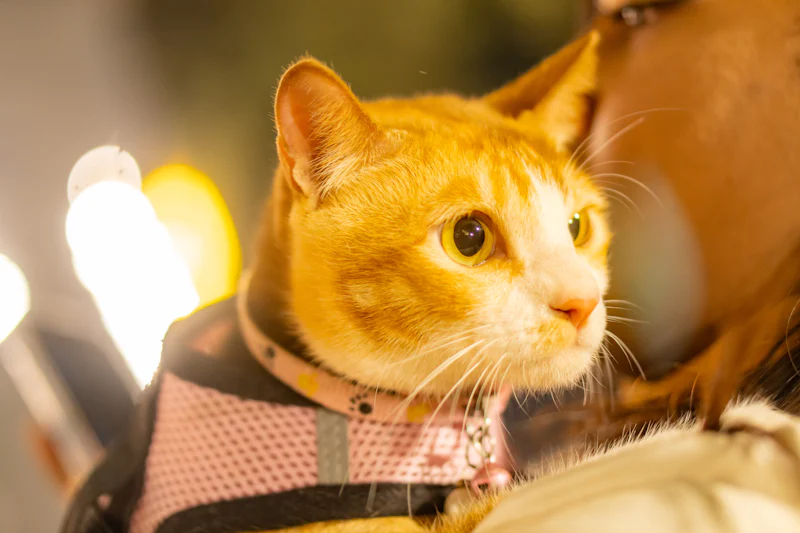
The first step in moving your cat is ensuring they are fitted with an ISO 11784/11785 compliant microchip. This must be done before or at the same time as their rabies vaccination. Your cat must receive at least two rabies vaccinations, with the second one administered at least 30 days after the first. Keep the official vaccination certificate handy, as it must clearly state the vaccination date, type, and the microchip number. Without these two elements properly linked, customs officials may deny your entry.
Rabies Antibody Titer Test Requirements
To avoid the 30-day quarantine, your cat must undergo a rabies antibody titer test at an approved laboratory. You must use a facility recognized by the General Administration of Customs of China (GACC). The test result must show a rabies antibody level of at least 0.5 IU/ml. This test should be conducted after your second rabies vaccination but at least 30 days before departure. The original laboratory report must accompany your cat during travel, as customs officers will demand this documentation at the arrival hall in cities like Shanghai or Beijing.

Selecting Pet-Friendly Airlines
Not all airlines allow cats in the cabin or cargo hold for flights into China. Popular carriers for pet transport include Air China, Lufthansa, and KLM, though policies change frequently. Many expats choose to work with a professional pet shipping agent, such as IPATA-accredited companies, to navigate the complexities of pet import regulations China. A reputable agent can handle the 清关 (Qingguan - Customs Clearance) process, ensuring all documents are translated and compliant with the specific requirements of the port of entry.
Surviving the Arrival Process
Upon landing, you must declare your pet at the customs counter. If your documents are in order, the officer will perform a visual inspection. Ensure you have the official 卫生证书 (Weisheng Zhengshu - Health Certificate) issued by the official veterinary authority of your departure country within 14 days of travel. If you fail to produce these documents, your pet will be sent to a designated quarantine facility for 30 days at your expense. During this time, you will not be allowed to visit your cat, which is why triple-checking every document against the GACC checklist is non-negotiable.
Success in bringing your cat to China relies entirely on completing the rabies titer test and obtaining official health documentation long before you board your flight. Have you navigated the customs inspection process with your pet, and were there any specific local requirements at your point of entry that surprised you?
Quick Takeaways:
- Ensure your cat has an ISO compliant microchip before the rabies vaccination.
- Complete the rabies titer test at a GACC-approved laboratory for quarantine exemption.
- Use a professional pet shipping agent to handle complex customs clearance procedures.
- Carry original health certificates and titer reports in your carry-on luggage.
#petimport #movingtochina #cattransport
