Storing food in a Chinese pantry can be tricky due to the high humidity and temperature fluctuations, so the simple answer is that if you have doubts, it is better to throw it away than risk food poisoning. While many traditional ingredients are shelf-stable, they are not immune to mold or pests, especially in southern provinces. Food safety in China relies heavily on proactive observation rather than relying solely on expiry dates printed on packaging, as improper storage can turn otherwise safe items into health hazards long before their labeled shelf life has expired.
The Humidity Factor in Chinese Pantries
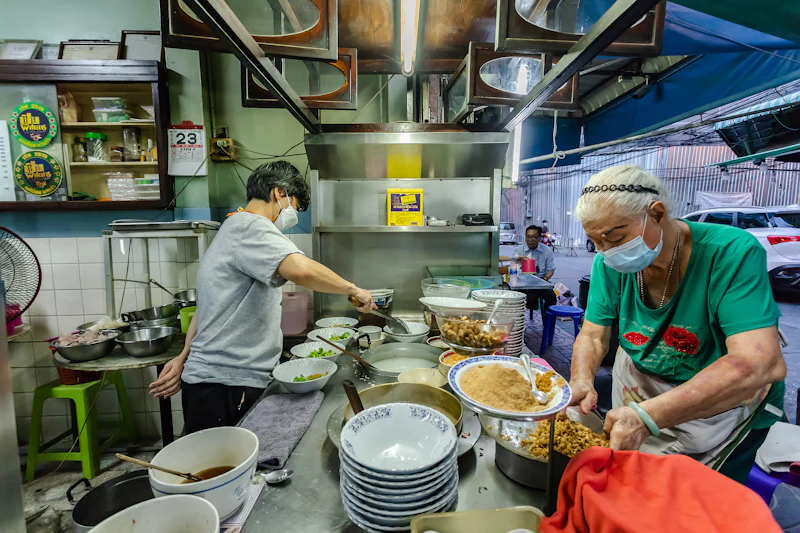
Most modern Chinese apartments lack the climate-controlled pantries found in Western homes. High humidity is the primary enemy of shelf-stable goods here. Items like dried mushrooms (gan xianggu), red dates (hongzao), and various grains are susceptible to hidden mold growth. If you notice a faint, musty odor, the product is likely compromised. Always store these in airtight glass or stainless steel containers rather than the original plastic bags to prevent moisture absorption and pest contamination. If you see signs of 'weevils' or tiny moths, discard the entire batch immediately as eggs are likely present throughout the pantry.
Understanding Nian Gao and Fresh Goods
Traditional snacks like nian gao (glutinous rice cake) are staples during festivals but are notorious for rapid degradation. Freshly made rice cakes left at room temperature are breeding grounds for bacteria within 48 to 72 hours. Even vacuum-sealed commercial versions should be inspected closely once opened. If the surface feels 'slimy' or has developed white spots, discard it immediately. Never rely on the 'sniff test' for rice-based products, as certain pathogenic bacteria do not produce a strong odor. If you are not planning to consume them within two days, slice them and keep them in the freezer rather than the pantry.
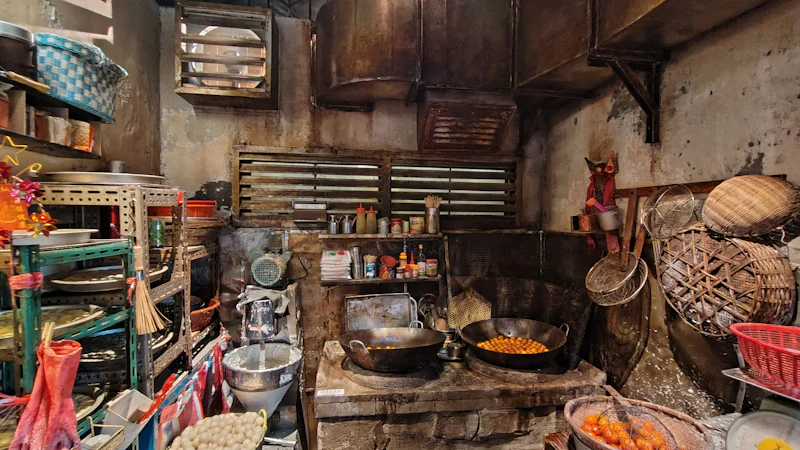
Identifying Quality in Traditional Ingredients
Many expats buy local ingredients from wet markets where labels are absent. For dried ingredients, look for a uniform color. If dried chilies or herbal soup packs show uneven darkening or oily residue, they have likely oxidized due to improper storage. A quick tip for checking shelf life of dry goods is to use a desiccated silica gel packet, which you can purchase via 淘宝 (Taobao), to keep containers dry. If you are unsure how long an ingredient has been in your cupboard, perform a 'snap test'—if dried herbs or fungi do not snap crisply but instead bend, they have absorbed too much moisture and should be discarded to avoid mycotoxin contamination.
Navigating Seasonal Food Storage
During the summer months, the internal temperature of a pantry can spike, accelerating the breakdown of fats in nuts and seeds. These items can go rancid quickly. You should perform a monthly 'pantry audit' where you rotate your oldest stock to the front and inspect items for signs of insect activity. If you reside in a city with extreme seasonal humidity, consider using a vacuum sealer to prolong the life of your dried goods. If an ingredient has changed texture or color from when you purchased it, the safest approach is to treat it as past its prime.
Food safety is maintained by discarding any item that shows a change in texture, color, or scent rather than trusting the manufacturer's printed date. Have you ever discovered a hidden 'pantry pest' infestation in your kitchen, and what did you use to get rid of it?
Quick Takeaways:
- Discard any food that shows visible mold or changes in texture or color.
- Use airtight glass containers to protect pantry items from humidity and pests.
- Freeze fresh products like nian gao immediately if not consuming within two days.
- Perform a monthly inventory to rotate stock and check for signs of decay.
#foodsafety #expatchina #pantrytips
