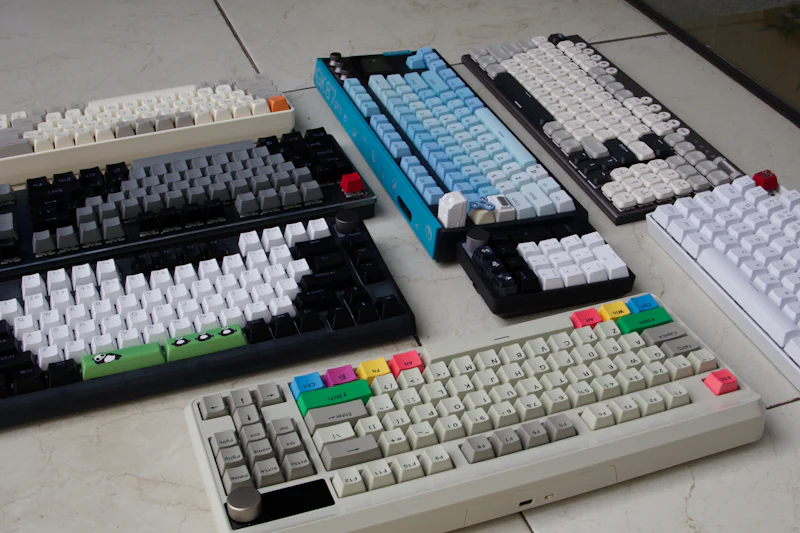
One of the most common questions from first-time visitors to China is how people manage to type thousands of complex characters on a single device. Many imagine a massive, room-sized machine with thousands of buttons, but the reality is much more familiar.
The Physical Hardware: Standard QWERTY
Physically, a Chinese keyboard is almost identical to the ones used in the United States or Europe. It uses the standard QWERTY layout with the same Latin letters, numbers, and symbols. There are no "special" keys for individual characters because hardware is not the secret to typing Chinese—software is.
How Typing Works: The Input Method Editor (IME)
Since you cannot fit 50,000 characters onto a keyboard, Chinese users rely on an Input Method Editor (IME). This software acts as a bridge between the Latin keys and the Chinese characters.
- Pinyin Input: The most common method. Users type the phonetic spelling of a word using Latin letters (e.g., typing “nihao”). A candidate bar then appears on the screen, allowing the user to select the correct characters (你好).
- Predictive Text: Modern IMEs are incredibly "smart." They use AI to predict entire sentences based on the first letters of each word, making Chinese one of the fastest languages to type digitally.
Regional Variations in Keycaps
While the layout is the same, you might notice different markings depending on where you are:
- Mainland China: Most keyboards are plain QWERTY. Users are so proficient in Pinyin that they don’t need extra labels.
- Taiwan: Keyboards often feature Zhuyin (Bopomofo) symbols alongside the Latin letters. Zhuyin is a phonetic system used primarily in Taiwan for teaching and typing.
- Hong Kong: You may see symbols for the Cangjie or Stroke methods, which allow users to "build" characters based on their visual components rather than their sound.
Specialized Input Methods
For power users or those who prefer not to use phonetics, there are "structure-based" methods like Wubi. This system assigns specific character strokes to certain keys. While it has a steep learning curve, a professional Wubi typist can often outpace someone typing in English because each character typically requires only four or fewer keystrokes.
In short, if you are moving to China, you don't need to buy a new laptop. Your current keyboard is already perfectly equipped to handle Chinese; you just need to enable the right software settings.
#ChineseKeyboard #Pinyin #TechInChina #LifeInChina #LearningChinese
