If you are over 185cm tall, shared bikes in China are rarely a comfortable long-term solution for daily commuting. While these bikes are designed for high-volume public utility and offer convenience through apps like 支付宝 (Alipay) or 微信 (WeChat), they are physically constrained by fixed-seat designs and small frames that often lead to knee strain and poor ergonomics for taller riders. While short trips to the subway station are manageable, relying on them as your primary mode of transportation will likely result in physical discomfort over time.
Limitations of Public Bike Infrastructure
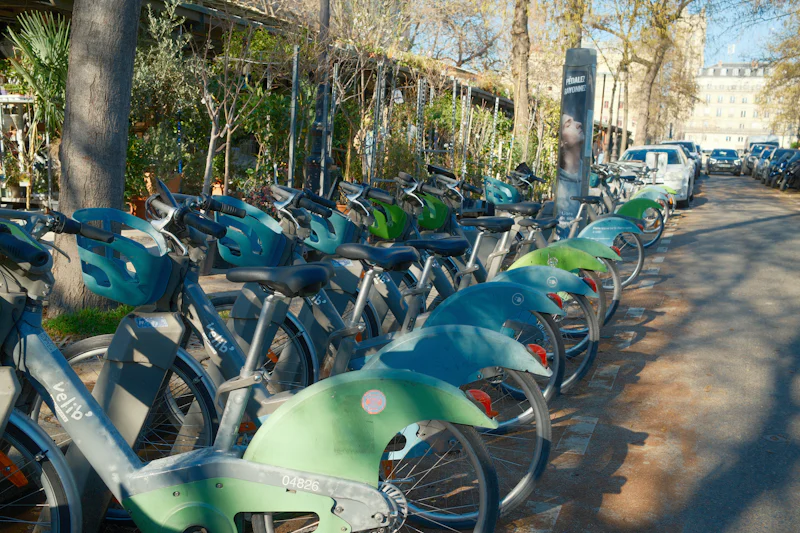
Shared bikes found in major cities are built for mass appeal and durability, meaning they prioritize low centers of gravity and adjustable seat posts that rarely extend far enough for someone over 6 feet tall. The geometry of the frame is intentionally compact to save space on crowded sidewalks. You will often find yourself pedaling with your knees hitting the handlebars or your legs not achieving the necessary extension for efficient power transfer. This leads to the phenomenon of 'high-cadence, low-output' cycling, where you must pedal rapidly just to maintain a slow speed. For a ride longer than 15 minutes, this design flaw becomes significantly taxing on your joints.
The Financial and Practical Case for Personal Bicycles
For those commuting daily, purchasing a personal bike is often the more economical and healthy choice. Shared bikes typically cost around 1.5 to 2 RMB per 30 minutes. While this seems trivial, a daily commute adds up to over 1,000 RMB annually. If you choose to own a bike, you can visit a local shop, referred to as 自行车店 (zìxíngchē diàn), where you can test frames suited for your specific height. A solid entry-level commuter bike costs between 800 and 1,500 RMB. Beyond the cost, you gain a bike with properly calibrated brakes, better gear ratios, and a frame geometry that does not force you into a hunched, cramped posture.
Navigating Maintenance and Parking
Owning a bike in a Chinese city comes with its own set of challenges, specifically concerning parking and theft prevention. Unlike shared bikes that you can leave anywhere within a designated zone, you must secure your personal bike using a heavy-duty chain lock, known as 锁 (suǒ). Most residential compounds provide a designated bike shed, but you should always verify your landlord or property management’s rules regarding storage. If you choose to buy, ensure you have a secure spot to store it, as street parking overnight is highly discouraged in major urban centers due to the risk of theft.
Alternative Mobility Considerations
If buying a bike is not feasible due to limited storage space in your apartment, consider an electric scooter, or 电动车 (diàndòng chē). These are significantly larger than standard shared bikes and accommodate taller riders much more comfortably. Many models feature adjustable seating and larger platforms. Before buying, verify the battery regulations in your city, as many local governments have implemented strict rules regarding the fire safety standards for electric vehicle batteries. Always keep your purchase receipt and ensure the vehicle is registered, as local traffic police may require proof of ownership during spot checks.
Ultimately, shared bikes are a temporary convenience rather than a sustainable commuting tool for taller individuals, and investing in your own equipment ensures better ergonomics and long-term savings. What is the most frustrating challenge you have encountered while trying to get around your city?
