Opening a Chinese bank account as a foreigner is entirely possible, though requirements vary significantly based on your visa status and the local branch's internal policies. While digital payments are universal, having a local account remains the best way to ensure seamless integration with local services. The most critical insight is that you must carry your original passport, a valid residence permit or work visa, and proof of residence to succeed. Expect the process to take anywhere from thirty minutes to two hours depending on the branch's familiarity with international clients.
Understanding the Documentation Requirements
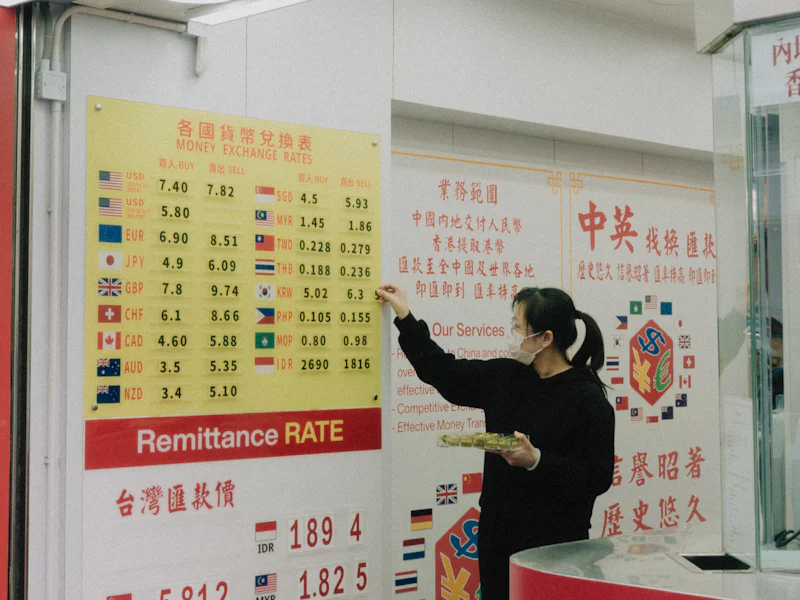
To successfully open a Chinese bank account as a foreigner, you need more than just your passport. First, you must have your 临时住宿登记表 (Registration Form of Temporary Residence), which you obtain from your local police station or hotel. Second, bring your employment contract or a letter from your school if you are a student, as banks now require proof of purpose. Note that some banks may also request a local mobile phone number registered in your name to link your account to 支付宝 (Alipay) and 微信支付 (WeChat Pay). Ensure your passport information is updated in the bank's system if you have recently renewed your visa.
Selecting the Best Bank for Expats
Not all banks are equally friendly toward foreign nationals. The "Big Four" state-owned banks, including the Industrial and Commercial Bank of China (中国工商银行), are generally the most capable of handling foreign accounts due to their established infrastructure. However, they can be bureaucratic. For a smoother experience, look for branches in central business districts or near international schools, as staff there are more accustomed to foreign documentation. Avoid smaller, rural branches, as they often lack the authorization or digital systems to process non-Chinese identification cards efficiently.

Linking Foreign Cards and Digital Wallets
While opening a local account is standard, you can now link international credit cards to digital platforms. However, these often come with transaction limits and higher fees. A local bank account is superior because it allows for direct transfers without currency conversion hurdles. Once your account is active, you must visit the bank in person to sign a mobile banking agreement to enable cross-platform transfers. Always confirm that your bank supports online banking in English, as this will save you from needing to visit the counter for simple balance checks or small transfers.
Navigating Potential Rejections
If a bank refuses your application, do not be discouraged. Branch managers often have discretionary power regarding compliance. If one branch denies your request, try another location of the same bank or a different financial institution entirely. Always ask for specific reasons for the rejection, such as a missing stamp on your housing registration or an issue with your visa duration. Many banks require at least six months of validity remaining on your visa to approve a new account application, so plan your visit accordingly.
Security and Account Management
Keep your bankbook or account details in a safe place. In China, you will frequently be asked to provide your bank card number and the mobile number associated with your account for various identity verification steps. It is advisable to enable SMS notifications for all transactions, which typically costs a small monthly fee, usually around two to five RMB. This ensures you are alerted to any account activity in real time.
Having a local bank account is the foundation for navigating the Chinese digital economy effectively. Which banks have you found to be the most helpful during your time in China?
Quick Takeaways:
- Carry your original passport and valid 临时住宿登记表 for every branch visit.
- Target branches in major business districts to find staff familiar with foreign requirements.
- Ensure your visa has at least six months of validity for the smoothest experience.
- Link your account to 支付宝 and 微信支付 immediately after opening.
#chinaexpats #bankaccount #livinginchina
