While many people use “Chinese” as a blanket term, the linguistic landscape of China is incredibly diverse. Understanding the distinction between the official national language and regional dialects is essential for anyone planning to live, work, or travel in the country.
The Official Language: Mandarin (Putonghua)
Mandarin, known in China as Putonghua (“common speech”), is the official language. It is based on the Beijing dialect and serves as the lingua franca for the entire nation.
- Usage: It is the primary language used in government, national media, and the education system.
- Statistics: Approximately 80% of the Chinese population can speak Mandarin, and it is the native tongue for about 70% of the population, particularly in the northern and southwestern regions.
Major Regional Languages and Dialects
Beyond Mandarin, China is home to several major language groups that are often mutually unintelligible. These are frequently referred to as “dialects” in a cultural sense, though linguistically they function as distinct languages.
- Cantonese (Yue): Spoken by over 80 million people, primarily in Guangdong province, Guangxi, Hong Kong, and Macau.
- Wu: Dominant in the Shanghai region, Zhejiang, and southern Jiangsu, with approximately 80 million speakers.
- Min: Widely spoken in Fujian province and Taiwan, known for its significant internal variety (such as Hokkien).
- Other Groups: Includes Gan, Xiang, and Hakka, each with tens of millions of speakers across central and southern China.
The Writing System: Simplified vs. Traditional
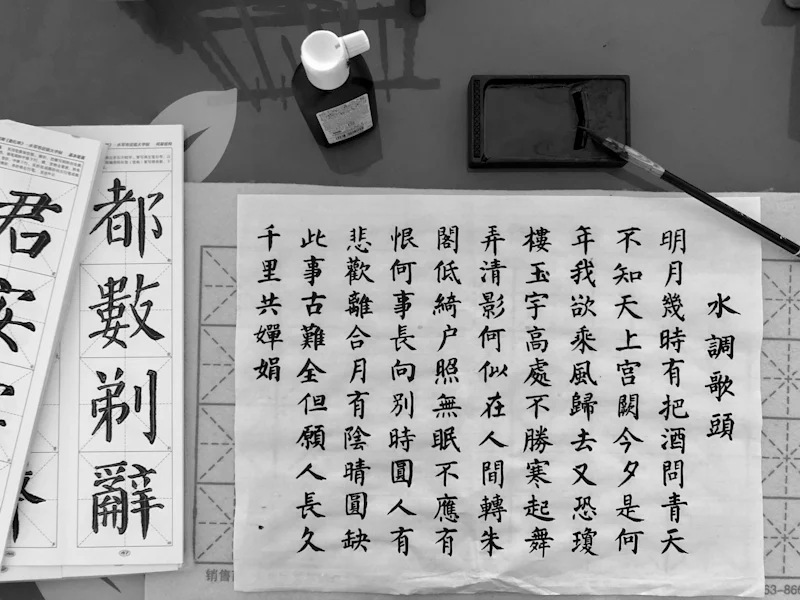
While spoken varieties differ, the written word acts as a unifying force.
- Simplified Chinese: Used in Mainland China. It was introduced in the 1950s to increase literacy rates by reducing the number of strokes in complex characters.
- Traditional Chinese: Still used in Hong Kong, Macau, and Taiwan.
Minority Languages
China officially recognizes 55 ethnic minority groups, many of whom maintain their own distinct languages. Major examples include:
- Tibetan: Spoken in the Tibet Autonomous Region and parts of Sichuan and Qinghai.
- Uyghur: A Turkic language spoken primarily in Xinjiang.
- Mongolian: Used in the Inner Mongolia Autonomous Region.
- Zhuang: A Tai language spoken by the Zhuang people in Guangxi.
In major urban centers like Beijing and Shanghai, you will find that most residents are bilingual, speaking both their local regional language and fluent Mandarin.
#ChineseLanguage #Mandarin #LearnChinese #ChinaTravel #CultureInChina
