Choosing between traditional wet markets and modern supermarkets depends entirely on your daily rhythm, as wet markets offer unmatched freshness and local flavor, while supermarkets provide the reliability of digital convenience. For most expats, the best approach is a hybrid model: sourcing produce at the local market and pantry staples at retail giants.
The Traditional Wet Market Experience
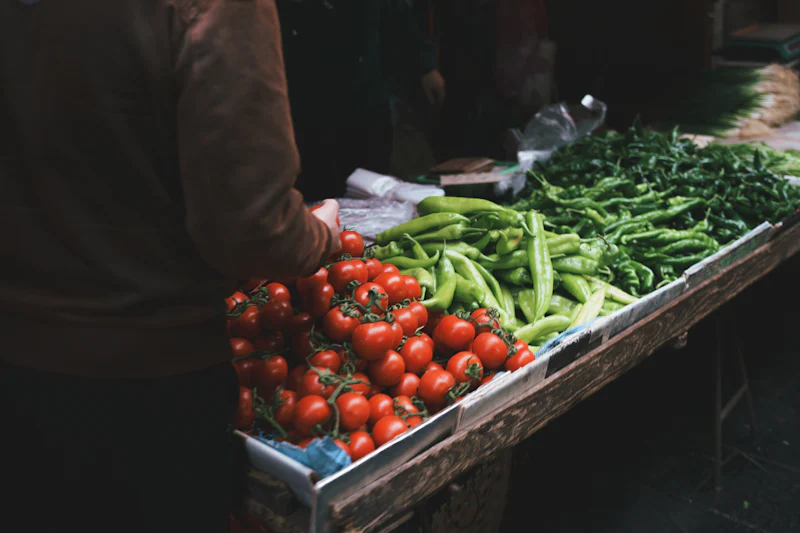
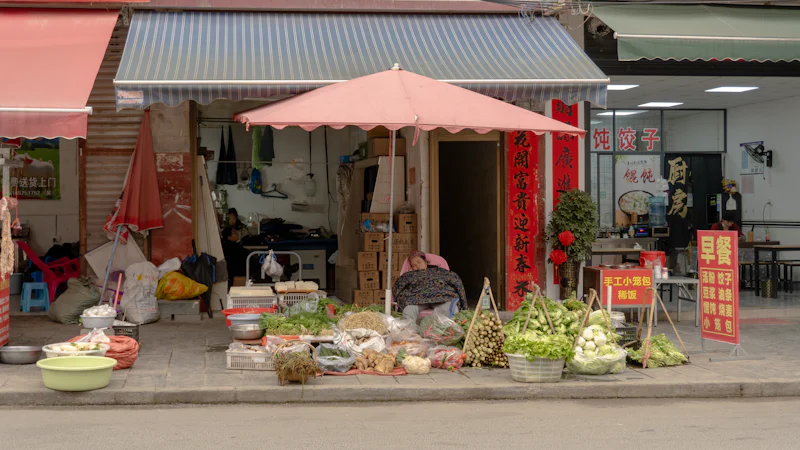
Shopping at a traditional caishichang (vegetable market) is the quintessential Chinese living experience. The primary advantage is the price point; produce here is often 30 to 50 percent cheaper than in premium supermarkets. You are buying directly from farmers, which means you receive seasonal produce at its peak. When navigating these markets, carry small change, although most vendors now accept 微信支付 (WeChat Pay) or 支付宝 (Alipay) via displayed QR codes. A common pitfall is the language barrier; keep a translation app ready if you do not know the local terms for specific cuts of meat or varieties of greens. Always look for the stalls with the highest foot traffic, as higher turnover ensures fresher inventory.
The Convenience of Modern Supermarkets
Major chains like Hema (often branded as Freshippo) or Carrefour redefine the shopping experience through technology. Hema, in particular, integrates an app-based ecosystem where you can scan items to see their origin, including the specific farm and harvest date. These supermarkets are essential for imported goods, specialized dietary requirements, and refrigerated products that require strict cold chain logistics. While the cost of living in China is generally moderate, shopping exclusively at high-end supermarkets can inflate your monthly grocery budget significantly. The convenience factor is the standout benefit here—home delivery services through these apps often arrive within 30 to 60 minutes, which is an invaluable time-saver for busy professionals.
Quality and Food Safety Considerations
Food safety remains a top priority for all residents. Supermarkets in China are strictly regulated and subject to regular inspections, often providing transparent labeling and standardized packaging. Wet markets are more variable, but they have improved drastically in recent years under city-wide hygiene initiatives. Many traditional markets now feature digital scales and electronic ledgers that track food sources, providing a middle ground between rustic charm and modern oversight. If you are buying meat or seafood at a wet market, aim to visit before 10:00 AM; the items have often been transported in the pre-dawn hours and are at their freshest during the morning rush.
Strategizing Your Weekly Shop
To balance your budget and culinary needs, follow the rule of thirds. Use the wet market for high-volume items like leafy vegetables, seasonal fruit, and eggs where turnover is rapid. Rely on supermarkets for shelf-stable goods, cleaning supplies, and premium imported items that are difficult to find at local stands. Keep a running list of your local market’s restock days, as vendors often receive fresh shipments on specific weekday mornings. By diversifying where you shop, you avoid the premium markup of grocery chains while ensuring your kitchen remains stocked with local variety and global essentials.
Mastering your grocery shopping involves balancing the raw quality of wet markets with the digital efficiency of supermarket chains. Do you prioritize saving money at local markets or the time-saving delivery services provided by modern supermarkets?
Quick Takeaways:
- Shop at wet markets before 10:00 AM for the freshest daily produce selections.
- Use Hema or similar apps to scan product origin and manage home deliveries.
- Carry small change although most vendors now accept digital payments via QR codes.
- Combine local markets for freshness and supermarkets for imported goods to manage budgets.
#chinaexpat #shoppinginchina #costofliving
