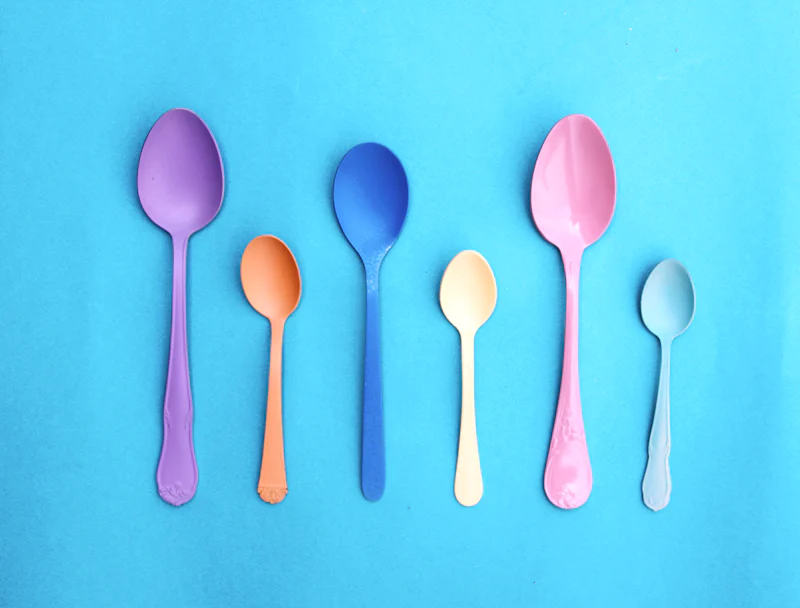
The Essential Second Utensil
While chopsticks are the undisputed stars of the Chinese dinner table, the spoon is an indispensable supporting actor. In fact, spoons have a longer history in China than chopsticks, with archaeological evidence dating their use back to the Neolithic Age. Today, a typical place setting in a Chinese restaurant or home will almost always include both a pair of chopsticks and a specialized Chinese spoon.
The Iconic Design: The "Soup Spoon"
The traditional Chinese spoon, often called tiáo-gēng (调羹), is distinct from the oval-shaped metal spoons found in the West.
- Material: They are traditionally made of ceramic or porcelain, which doesn’t conduct heat as quickly as metal—a vital feature for sipping hot liquids.
- Shape: They feature a deep, wide bowl with a flat bottom. This design allows the spoon to stand upright on a table and makes it much more effective at scooping up hearty ingredients in a soup.
- The Handle: The handle is usually short and thick, designed to be held between the thumb and the first two fingers.
When Do People Use Them?
In Chinese dining etiquette, utensils have specific roles. You won't see someone eating a steak with a spoon, but you will see them used for:
- Soups and Broths: This is the primary use. Whether it is a delicate wonton soup or a rich medicinal broth, the spoon is essential.
- Congee (Rice Porridge): Because congee is semi-liquid, it is almost exclusively eaten with a spoon.
- "Saucy" Rice Dishes: While many people use chopsticks to push plain rice into their mouths from a bowl, dishes like Gaifan (rice covered with stir-fry and gravy) are often eaten with a spoon to capture every drop of the sauce.
- Desserts: Sweet soups (tong sui) and soft bean curd (douhua) are always served with spoons.
The "Chopstick-Spoon" Combo
One of the most common techniques in Chinese dining is using both tools simultaneously.
- The Technique: A diner might use their chopsticks to place a dumpling or a piece of meat into the spoon, then use the spoon to add a bit of soup or sauce before taking a perfectly balanced bite.
- For Small Children: Spoons are the "training wheels" of Chinese dining. Before they master the fine motor skills required for chopsticks, most Chinese children eat their entire meals with a small ceramic or plastic spoon.
Cultural Etiquette
There are subtle rules regarding spoon usage that reflect Chinese table manners:
- No Slurping from the Bowl: While slurping noodles is often acceptable, it is generally considered more polite to use the spoon to bring soup to your mouth rather than lifting a large bowl to drink directly from it (though this varies by region and casualness of the setting).
- Resting the Spoon: When not in use, the spoon is either placed back in the soup bowl or rested on a small porcelain stand provided at the table.
Summary
The idea that Chinese people only use chopsticks is a myth. The ceramic spoon is a pillar of the culinary experience, engineered perfectly for the soups and porridges that define the Chinese diet. If you’re at a Chinese dinner table, don’t be afraid to reach for the spoon—it’s there for a reason.
#ChineseEtiquette #AsianSpoon #DiningInChina #ChineseCulture #FoodTravel
