Food delivery apps in China have fundamentally redefined dining habits by transitioning the cultural norm from the communal 'eating out' experience to a fast, delivery-heavy lifestyle. Platforms like 美团 (Meituan) and 饿了么 (Ele.me) have integrated so deeply into daily life that they now dictate consumption trends and dictate how cities function. While traditional dining remains a social pillar, the sheer ease of ordering anything from a single cup of bubble tea to a full-course hotpot has turned the average apartment into a localized extension of China’s massive restaurant industry.
The Rise of Delivery-First Consumption
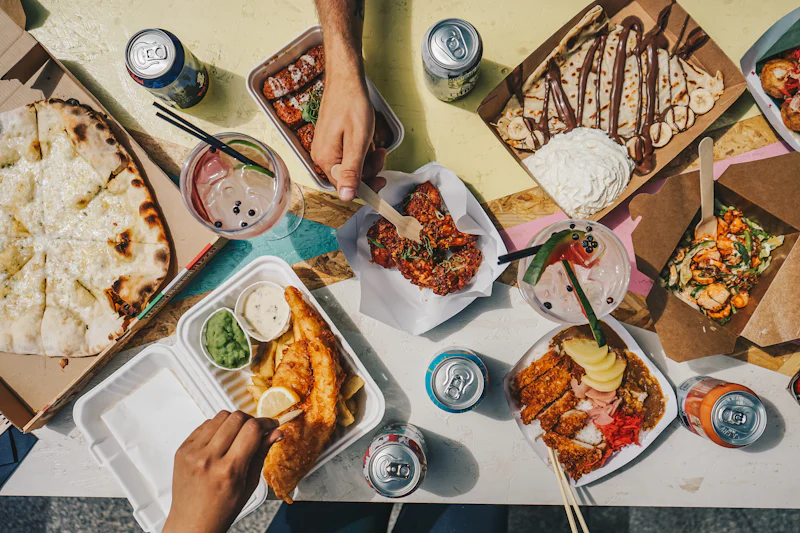
The convenience of the gig economy has drastically reduced the friction associated with preparing or sourcing food. Before these platforms dominated, eating out was the default for social interaction and convenience. Today, the 外卖 (Wàimài) or 'takeout' economy allows for hyper-local customization. With a few taps on 微信 (WeChat) or 支付宝 (Alipay), users can track their couriers in real-time, often receiving meals within 30 to 45 minutes. This shift has forced restaurants to prioritize their digital menu presence as much as, or sometimes more than, their physical dining room ambiance.
Impact on Trendy Food Culture
Food delivery apps in China have become the primary engines for viral food trends. When a new dish goes viral on platforms like 小红书 (Xiaohongshu), delivery apps capitalize on this immediately by featuring 'trending' categories. Items such as 奶茶 (nǎichá), or milk tea, have seen explosive growth because the delivery logistics are perfectly optimized for small, fragile items. By analyzing data, these apps suggest personalized choices based on your location and history, creating a feedback loop where popular items become even more accessible, effectively shaping the culinary landscape of entire urban districts.
How Dining Habits Have Shifted
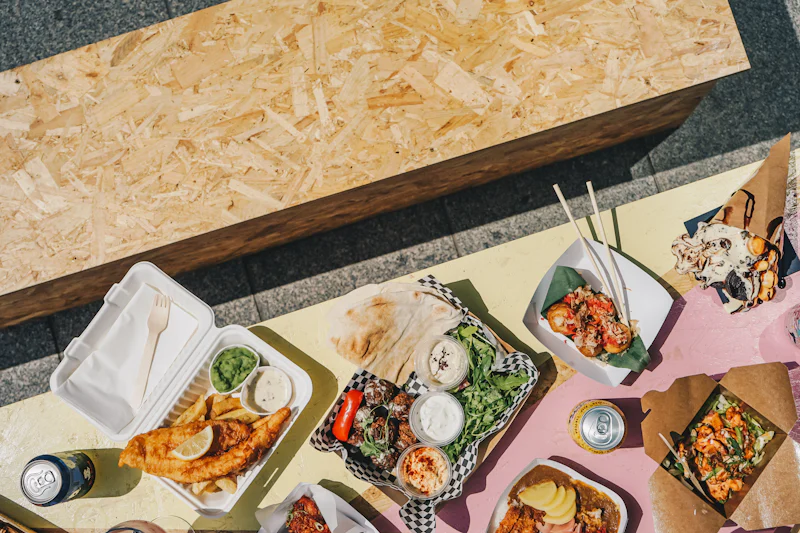
For many expats and locals alike, the traditional concept of 'dinner time' has expanded into a 24-hour cycle. High-speed delivery infrastructure means that late-night snacks or early morning breakfasts are rarely more than a click away. This has led to a decline in home cooking for many busy professionals who find the cost of ingredients and the time required for cleanup to be higher than the price of a delivered meal. The social aspect of dining has also changed; it is increasingly common to host 'delivery parties' where friends gather to eat various dishes from different restaurants, all ordered via a single app.
Navigating the Platform Ecosystem
To master these apps, users must understand the ranking systems. Most restaurants prioritize high ratings because the platform algorithm suppresses low-rated shops. Look for the 'premium' or 'highly recommended' badges when browsing. Furthermore, note that delivery fees are typically tiered based on distance, and many shops offer 'coupons' that can be applied to significantly lower the final bill. Utilizing these in-app discounts is essential for long-term budget management, especially given how frequently promotional events are rotated by the parent companies.
While delivery apps offer unmatched convenience, the true essence of Chinese culinary culture is best experienced by occasionally stepping out to explore local markets and neighborhood eateries.
How has the reliance on delivery apps affected your social life or your budget since you moved to China?
Quick Takeaways:
- Use Meituan or Ele.me to access real-time tracking for all local food deliveries
- Check app ratings and badge systems to identify the most reliable local restaurants
- Leverage in-app coupons and digital discounts to manage your monthly dining expenses
- Recognize that delivery apps now shape local culinary trends and availability of meals
#chinatips #fooddelivery #expatlifestyle
