Using the 144 or 240 hour 过境免签 (Transit Without Visa, TWOV) policy allows you to explore China for up to ten days without a traditional visa, provided your itinerary involves a continuous journey through China to a third country or region. The critical requirement is that your flight path must show a clear entry and exit point from different countries or regions, and you must stay within the approved transit zones. Meeting these 240 hour TWOV China requirements depends entirely on the technical accuracy of your travel documents and the specific ports of entry where you land.
Verifying Your Transit Path
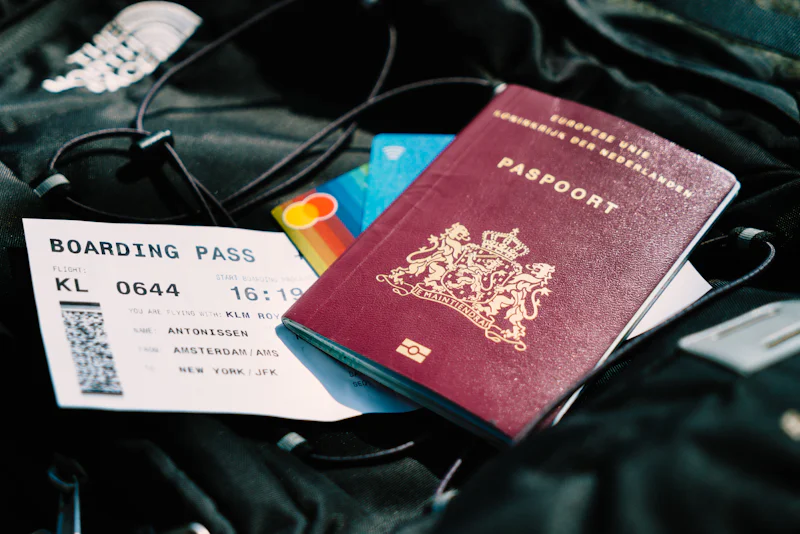
To qualify for the 144 or 240 hour programs, your itinerary must be a 'third-country' transit. For example, if you fly New York to Shanghai and then Shanghai to Tokyo, you are eligible. However, a round trip like Tokyo to Shanghai to Tokyo is prohibited. Ensure your booking shows a confirmed onward flight ticket out of China within the 144 or 240-hour window. It is highly recommended to print your flight itinerary in both English and Chinese to present to the airline staff at check-in, as they are legally responsible for verifying your eligibility before you board.
Understanding Permitted Transit Regions
China’s TWOV rules are region-specific, not country-wide. For instance, the 144-hour transit in the Yangtze River Delta allows travel between Shanghai, Jiangsu, and Zhejiang. If you arrive in Shanghai, you cannot travel to Beijing under the same 144-hour permit. You must stay within the provincial boundaries designated for your port of entry. Always check the official 出入境管理 (Exit-Entry Administration) website for the most current list of authorized cities, as specific geographic zones can change based on regional policy updates.
Preparing Documentation for Arrival
Upon landing, proceed to the dedicated counter marked for 144-hour or 240-hour transit. You will need your passport, a printed copy of your onward ticket to a third country, and the completed 外国人入出境卡 (Arrival/Departure Card). The immigration officer will verify your itinerary against their database. Ensure you have your hotel reservation details ready, as you are required to register with the local police station or have the hotel handle your 住宿登记 (Accommodation Registration) upon check-in. If you stay with friends, you must visit the local police station within 24 hours of arrival to register your address.
Avoiding Common Eligibility Pitfalls
Many travelers are denied boarding because their transit involves multiple stops within China. If you fly Los Angeles to Beijing, then Beijing to Guangzhou, and then Guangzhou to Tokyo, you have likely violated the 'single port' transit rule. Furthermore, ensure your passport has at least six months of validity remaining and at least one blank page. Do not attempt to leave the designated transit area or exceed the time limit, as overstaying will result in heavy fines and potential bans from future entry.
Success in utilizing the TWOV policy hinges on your ability to provide clear, printed proof of a third-country onward flight and strict adherence to the geographic limitations of your entry port.
Have you ever encountered issues with airline staff who were unfamiliar with the transit without visa rules during your check-in process?
Quick Takeaways:
- Ensure your itinerary includes a confirmed third-country flight out of China.
- Stay strictly within the approved regional zone for your port of entry.
- Print all flight itineraries and hotel bookings for easy inspection at arrival.
- Register your local address with the police or hotel within 24 hours.
#visatips #travelchina #twov
