Tackling the influx of spam calls on a Chinese SIM card is best achieved by utilizing the built-in filtering tools on your smartphone and activating the official telemarketing interception services provided by the major carriers. While receiving unwanted calls is a common frustration for expatriate experience, you do not have to endure them passively. By combining your phone’s operating system settings with carrier-level blocking protocols, you can significantly reduce the volume of interruptions. This proactive approach ensures you maintain your digital privacy while staying reachable for legitimate business and government-related communications.
Use Built-in Smartphone Filtering Features
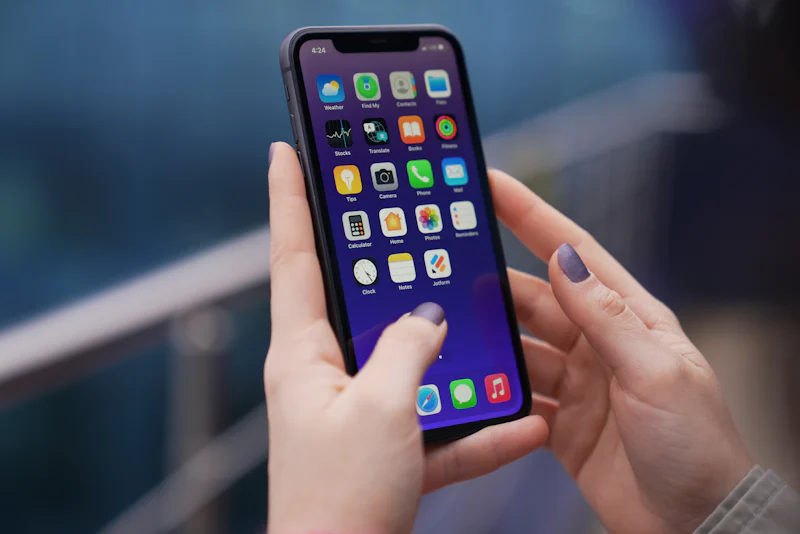
Both iOS and Android devices offer robust tools to combat spam. On an iPhone, navigate to Settings, select Phone, and enable the “Silence Unknown Callers” feature. This sends any number not in your contacts directly to voicemail. For Android users, the “Phone” app by Google typically features a “Caller ID & spam” setting. Ensure both “See caller and spam ID” and “Filter spam calls” are toggled on. This relies on a global database to flag potential telemarketers before your phone even rings. Always check your blocked list periodically to ensure no important delivery person or banking notification was accidentally filtered out.
Activate Carrier-Specific Blocking Services
China’s three major carriers—中国移动 (China Mobile), 中国联通 (China Unicom), and 中国电信 (China Telecom)—offer free network-level blocking services. The most popular tool is the “Communication Security Messenger” or 通信安全助手. You can usually activate this by sending a specific SMS command to your carrier’s service number, such as “KTFS” (开通防骚扰 - Activate Anti-Harassment) to 10086 for China Mobile. This service intercepts calls marked as “harassment” or “telemarketing” at the server level, meaning your phone will not even attempt to ring. Check your carrier’s official 微信 (WeChat) mini-program under the “Services” or “Business” tab, as many now offer an easy toggle switch for “Anti-harassment Interception” services.
Manage Privacy Settings in Common Apps
Often, your phone number is linked to various digital accounts, which can lead to data leaks. Navigate to your privacy settings within your primary financial applications, such as 支付宝 (Alipay) or 微信 (WeChat). Ensure your contact information is set to private and is not searchable by strangers. Avoid entering your mobile number on public forums or sketchy e-commerce sites. If you suspect your number has been compromised, consider downloading a secondary security app like 腾讯手机管家 (Tencent Mobile Manager), which is highly effective in the Chinese market for identifying local spam patterns and blacklisted business numbers that global spam databases might miss.
Distinguish Between Spam and Important Alerts
Be cautious when blocking numbers, as some automated systems in China use a wide range of numbers for legitimate services. Banks, local government agencies, and delivery companies may call from different lines. If you use an aggressive blocking filter, perform a quick check of your call logs occasionally to see if any blocked numbers have left a text message or voicemail. If a number repeats, search the number on an app like 百度 (Baidu); if it is a scam, it will often appear in forums with other users reporting the exact same number.
Addressing digital noise requires a layered strategy that combines your handset's intelligence with your network provider’s specialized filtering protocols. Have you found a particular app or carrier setting that has been most effective in stopping these unwanted interruptions?
