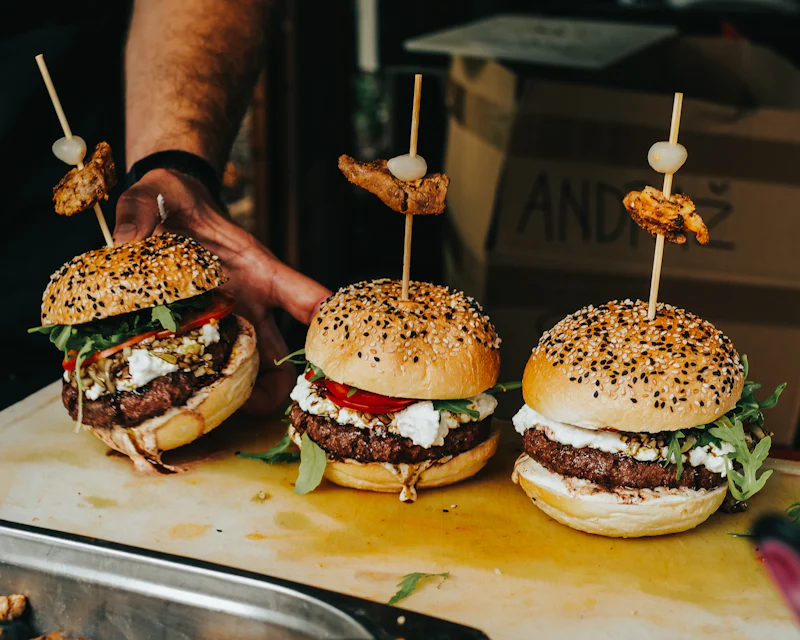
The Two Worlds of the "Burger"
In China, the concept of a hamburger exists in two distinct forms: the modern Western import and a traditional Chinese version that has been a staple for over 2,000 years. While daily meals are dominated by rice and noodles, the hamburger—in all its variations—has become a massive part of the urban landscape.
The World's "Oldest" Hamburger: Roujiamo
Long before Western fast-food chains arrived, China had its own version of a meat sandwich known as Roujiamo (肉夹馍). Originating from Shaanxi Province, it is widely considered the ancestor of the modern hamburger.
- The Bun: A "Mo," which is a plain, hand-made flatbread baked in a clay oven until the exterior is crispy and the interior is soft.
- The Filling: Savory, tender pork or beef that has been braised for hours in a complex mix of over 20 spices and ginger, then finely shredded.
- The Experience: Unlike Western burgers, Roujiamo rarely contains cheese or lettuce; instead, it is packed with juicy meat and occasionally green peppers or cilantro to cut through the richness.
The Western Fast-Food Boom
Since the early 1990s, Western-style hamburgers have exploded in popularity. China is now the second-largest market in the world for McDonald's, and KFC (which heavily features chicken burgers) is one of the most successful foreign brands in the country.
- Who Eats Them? While older generations may still view Western burgers as an occasional "novelty" or snack, for Gen Z and Millennials, they are a standard, convenient lunch option.
- The Culture of Delivery: Thanks to apps like Meituan and Ele.me, millions of burgers are delivered to offices and homes every day, making them a pillar of the modern "convenience economy."
Localization: The "Chinese-Style" Burger Trend
One of the most exciting developments in 2026 is the rise of Xinzhongshi (New Chinese Style) burgers. Chinese entrepreneurs are reclaiming the burger format and filling it with traditional local flavors that appeal to the Chinese palate:
- Unique Fillings: You can now find burgers stuffed with Mapo Tofu, Peking Duck, or Spicy Sichuan Chicken.
- Rice Burgers: Instead of bread, some chains use compressed, toasted rice patties as the "bun," which resonates with the traditional rice-loving culture.
- Seafood Focus: Shrimp and fish patties are often more popular than beef in many coastal Chinese cities.
Is Cheese Common in Chinese Burgers?
While Western chains always include cheese, many traditional or localized Chinese burgers omit it. Historically, dairy was not a part of the Han Chinese diet, so some consumers still prefer their burgers "dry" or seasoned with savory sauces like hoisin or chili oil rather than melted cheese or mayonnaise.
Summary
Do Chinese people eat hamburgers? Yes, but with a twist. Whether it is a 10 RMB Roujiamo from a street stall in Xi'an or a customized "Peking Duck Burger" from a high-end mall in Shanghai, the "meat-between-bread" concept is a beloved part of China’s modern food scene.
#ChineseHamburger #Roujiamo #FoodInChina #FastFoodChina #CulinaryTradition
