Hitting high protein goals in China is entirely achievable if you pivot away from Western dietary habits and embrace local, protein-dense staples found in every neighborhood supermarket. While imported supplement prices can fluctuate, the backbone of a successful bodybuilding diet in China relies on buying whole foods in bulk at wet markets and utilizing specialized e-commerce platforms. The secret is to prioritize lean meats like chicken breast and white fish while leveraging the massive variety of affordable plant-based sources available at local vendors.
Grocery Store Protein Staples
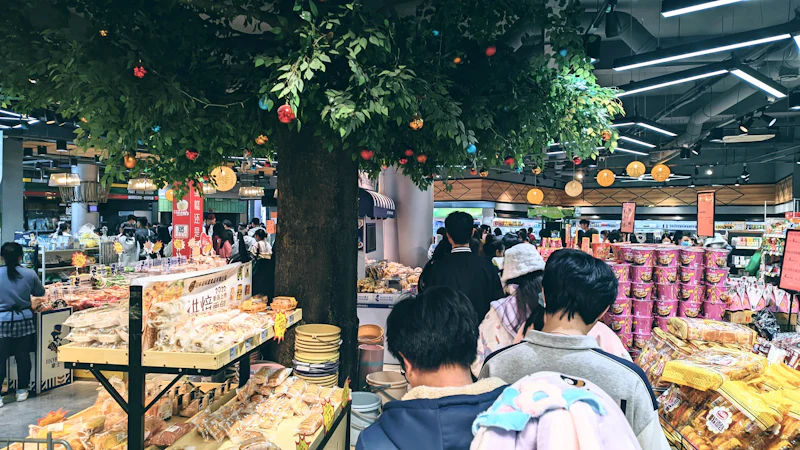
Skip the processed snacks and head straight for the refrigerated sections. Fresh chicken breast (鸡胸肉 - jīxiōngròu) is incredibly affordable and widely available. For lean beef, look for labels marked as 瘦牛肉 (shòu niúròu). In local supermarkets like Hema (盒马), you can find vacuum-sealed bags of pre-cooked chicken breast which are perfect for on-the-go fueling. Another essential is tofu (豆腐 - dòufu); specifically, look for firm, dried tofu slices (豆腐干 - dòufu gān) which are calorie-dense, high in protein, and easy to keep in your gym bag for a quick snack.
Sourcing Supplements on Taobao
When local food isn't enough, Taobao is your primary tool. Avoid random generic brands and stick to trusted global labels like Optimum Nutrition or MyProtein, which have official flagships on the platform. Search for labels like 蛋白粉 (dànbái fěn) for protein powder. To ensure authenticity, verify the shop has the blue 'brand authorized' icon. For quick snacking, search for 鸡胸肉丸 (jīxiōngròu wán), which are high-protein chicken meatballs, or tea-flavored eggs (茶叶蛋 - cháyèdàn) found at any convenience store—they provide a cheap, immediate protein boost when you are traveling.
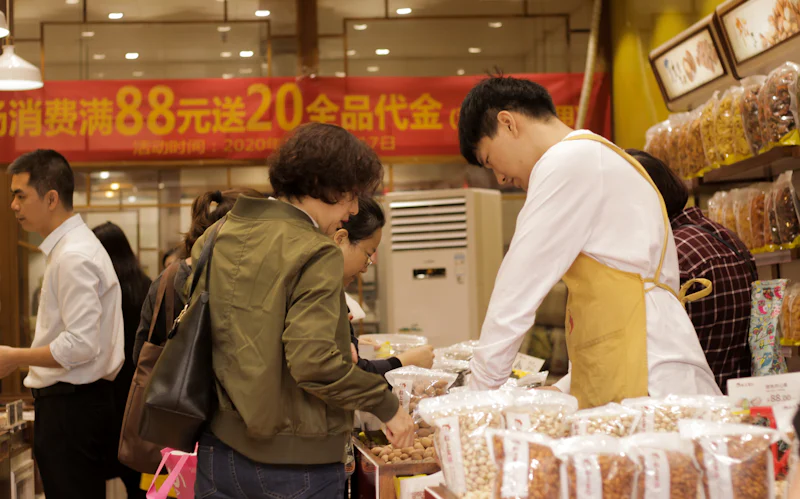
Navigating Local Eating Habits
Dining out while tracking macros is easier than it seems if you are selective with your orders. Stick to 'Shaokao' (烧烤 - shāokǎo), which is charcoal barbecue. Order sticks of lean beef, chicken, and broccoli or mushrooms. Always request less oil (少油 - shǎoyóu) and less salt (少盐 - shǎoyán) when placing your order with the server. If you are eating in a casual canteen, focus on stir-fried vegetable dishes with meat, such as scrambled eggs with tomatoes (西红柿炒鸡蛋 - xīhóngshì chǎo jīdàn), though keep in mind the added cooking oil can increase total calories significantly.
Integrating Bodybuilding with Chinese Cuisine
If you are cooking at home, buy a digital food scale on Taobao to track your portions accurately, as local packaging sizes can vary. Focus on seasonal white fish or shrimp, which are often cheaper at morning wet markets than in high-end malls. For breakfast, replace carb-heavy buns with high-protein options like a bowl of doujiang (soy milk - 豆浆) paired with a couple of boiled eggs. Consistency in tracking your intake via apps like MyFitnessPal—which has extensive data for common Chinese dishes—will help you hit your daily targets without having to rely solely on imported snacks.
Consistency with meal prep and using local protein-dense staples is the most sustainable way to meet your fitness targets in China.
What is your go-to high-protein snack that you have discovered in your local Chinese supermarket?
Quick Takeaways:
- Buy fresh chicken breast or dried tofu for the most cost-effective protein sources.
- Use Taobao official flagship stores to ensure the authenticity of imported protein powders.
- Order charcoal barbecue meat sticks with specific instructions for less oil and salt.
- Use a digital food scale to accurately track macros due to varied portion sizes.
#chinafitness #proteinintake #expatlife
