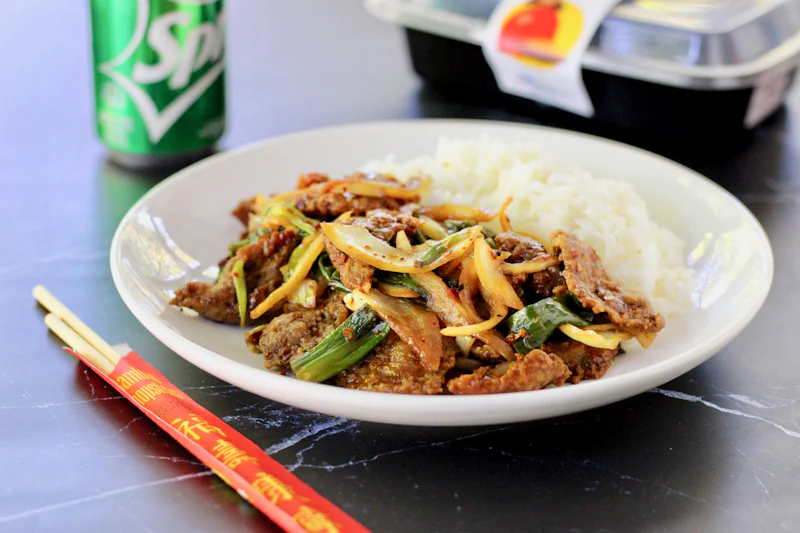
The Midday Philosophy: A Warm, Full Meal
In China, lunch is considered the most important meal for fueling the day’s work. Unlike the cold sandwiches or salads common in Western "desk lunches," a typical Chinese lunch is almost always served hot. It is designed to be a balanced combination of a "main staple" (zhushi)—usually rice or noodles—and various "side dishes" (cai) consisting of stir-fried vegetables and proteins.
Popular Quick Lunch Options
For office workers and students, "fast food" in China often means nutritious, freshly cooked meals rather than burgers. Common choices include:
- Gaifan (Covered Rice): A single-serving plate of steamed white rice topped with a generous portion of a stir-fried dish. Popular toppings include Tomato and Egg, Kung Pao Chicken, or Shredded Pork with Garlic Sauce.
- Noodle Soup: A quick bowl of Lanzhou Beef Noodles or Wonton Soup is a staple across the country. It is fast, hydrating, and filling.
- Bento Boxes (Waimai): With the explosion of delivery apps like Meituan, many urbanites order "set meals" that include a portion of rice, two vegetable sides, one meat side, and often a small container of soup or a braised egg.
The Regional Staples: Rice vs. Wheat
The contents of a lunch box change significantly as you travel across China:
- In the North: Lunch often features wheat-based foods. You will see people eating large steamed buns (baozi), dumplings (jiaozi), or thick wheat noodles. A "Chinese Burger" (roujiamou)—braised pork in a flatbread—is a famous quick lunch from Xi'an.
- In the South: Rice is the undisputed foundation of every lunch. Even a simple lunch will feature a bowl of long-grain rice to accompany seasonal greens and fish or pork.
The Canteen Culture
Most large companies and schools in China have their own "Dacanting" (canteen). Lunchtime is usually strictly observed between 12:00 PM and 1:00 PM.
- The Experience: Diners take a stainless steel tray and move through various stations, choosing from a massive array of pre-cooked dishes.
- The Balance: A typical tray will have a large scoop of rice, two types of leafy greens (like Bok Choy or Cabbage), and a portion of tofu or meat. A free bowl of light vegetable soup is almost always included.
The Post-Lunch Nap (Wuxiu)
A unique aspect of Chinese lunch culture is the "Wuxiu," or midday nap. In many offices and schools, the lights are dimmed after lunch, and people take a 20-to-30-minute rest at their desks. This reflects the belief that a warm meal followed by a short rest is essential for maintaining health and productivity for the remainder of the day.
Modern Trends in 2026
While traditional stir-fries remain king, modern urban lunch habits are evolving:
- Healthy Living: "Light food" (qing shi)—which includes boiled grains, lean proteins, and raw or lightly blanched vegetables—has become trendy among health-conscious Gen Z workers.
- Convenience Stores: High-end convenience stores like Lawson and FamilyMart provide hot, ready-to-eat rice sets that are popular for those on a tight schedule.
#ChineseLunch #FoodCulture #RiceVsNoodles #LivingInChina #HealthyEating
