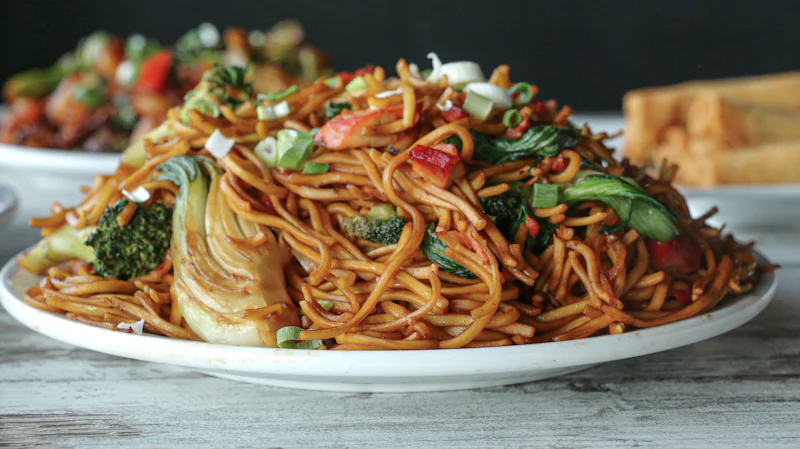
A 4,000-Year-Old Staple
Noodles are one of the most fundamental pillars of the Chinese diet, with a history spanning over four millennia. In fact, archaeologists in Qinghai Province discovered a bowl of preserved noodles dating back 4,000 years, proving that China is the ancestral home of this global favorite. Today, there are over 1,200 types of noodles across the country, ranging from paper-thin silk strands to thick, belt-like ribbons.
The Regional North-South Dynamic
While rice is the star in Southern China, noodles are the daily bread of the North.
- Northern China: In provinces like Henan, Shaanxi, and Gansu, wheat is the primary crop. People here often eat noodles for lunch and dinner. In cities like Xi’an, "Biang Biang" noodles—famous for being as thick as a belt—are a local obsession.
- Southern China: Southerners primarily rely on rice, but noodles remain a popular choice for breakfast or late-night snacks. Southern varieties are often made from rice flour (mifen) rather than wheat, offering a lighter, springier texture.
Essential Varieties to Know
If you are traveling through China, you will encounter a staggering diversity of noodle dishes:
- Lanzhou Hand-Pulled Noodles (Lamian): Famous worldwide, these are pulled by hand in seconds to varying thicknesses and served in a clear, aromatic beef broth with cilantro and chili oil.
- Sichuan Dan Dan Noodles: A spicy, numbing street snack featuring a savory sauce of preserved vegetables, chili oil, and minced pork.
- Wuhan Hot Dry Noodles (Reganmian): A beloved breakfast staple coated in a thick, rich sesame paste and soy sauce.
- Zha Jiang Mian: Often called the "Chinese Spaghetti Bolognese," this Beijing specialty uses a fermented soybean paste and fresh julienned vegetables.
Cultural Symbolism: Longevity Noodles
In Chinese culture, noodles represent more than just food; they are a symbol of a long and healthy life.
- Birthdays: It is a tradition to eat "Longevity Noodles" (Changshou Mian) on your birthday. These are often extra-long, and it is considered good luck to slurp the entire strand without breaking it.
- Festivals: Noodles are also an essential part of the Lunar New Year feast to ensure a smooth and prosperous year ahead.
The Art of the Slurp
For many foreigners, the sound of people slurping noodles in a Chinese restaurant can be surprising. However, in China, slurping is a common and accepted practice. It serves two practical purposes: it cools the hot noodles as they enter your mouth, and it is widely seen as a sign that you are enjoying the meal. Far from being rude, a hearty slurp is often taken as a compliment to the chef.
Modern Convenience: The Instant Noodle Giant
China is the world’s largest consumer of instant noodles. Whether on a high-speed train or in a college dorm, "cup noodles" are a ubiquitous part of modern life. While fresh, hand-made noodles are still the gold standard, the convenience of instant varieties has carved out a massive niche in China's fast-paced urban society.
#ChineseFood #NoodleCulture #TravelChina #FoodFacts #LivingInChina
