Navigating traffic right-of-way in China requires shifting your perspective from Western legal norms to a 'might-makes-right' and 'flow-based' reality where physical presence often dictates movement. As a foreigner driving in China or simply navigating as a pedestrian, you must accept that the written traffic laws serve as a framework, but real-time road etiquette is governed by the immediate spatial negotiation between vehicles, e-bikes, and pedestrians. Success on the road here is measured not by adhering to strict priority rules, but by maintaining constant situational awareness to avoid conflict in a dense and fluid environment.
The Hierarchy of Road Presence
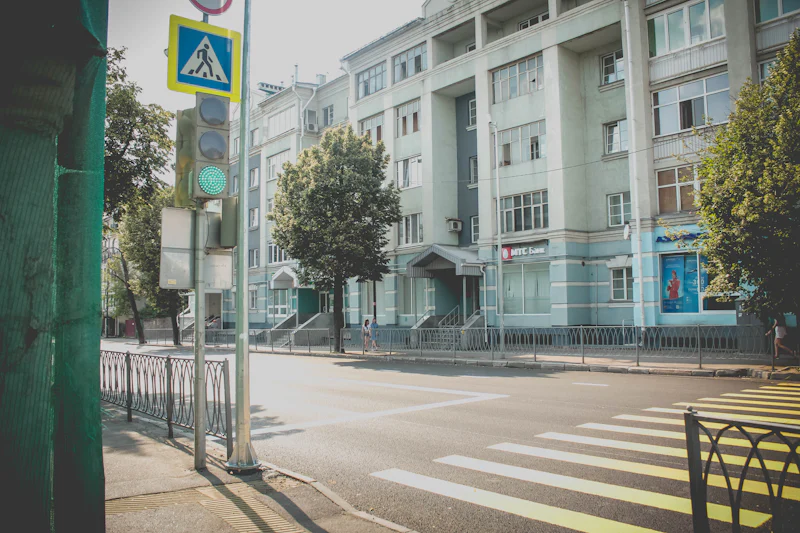
In many Western countries, pedestrians at crosswalks have an absolute right-of-way. In China, while 'li rang ren' (礼让行人—courtesy to pedestrians) is now strictly enforced by traffic cameras in major cities like Shanghai and Beijing, you should never assume a turning vehicle will stop. The rule is simple: the larger or more aggressive vehicle usually commands the space. E-bikes are the most unpredictable element, often traveling in reverse directions or ignoring signal lights entirely. Always assume that an e-bike will cross your path at an intersection regardless of the green light.
Driving as a Foreigner and Risk Mitigation
If you are driving, your biggest concern is 'ghost traffic.' This includes e-bikes emerging from blind spots and scooters cutting across multi-lane roads to reach a U-turn gap. Always keep your speed consistent. Sudden braking or erratic lane changes are more likely to cause accidents than steady movement. When turning right at an intersection, slow down significantly and check your side mirrors specifically for 'dian-dong-che' (电动车—electric scooters) that may be hugging the curb. If you are involved in any incident, regardless of fault, stay with your vehicle and call 122, the dedicated traffic police emergency line.
Decoding E-bike Safety and Habits
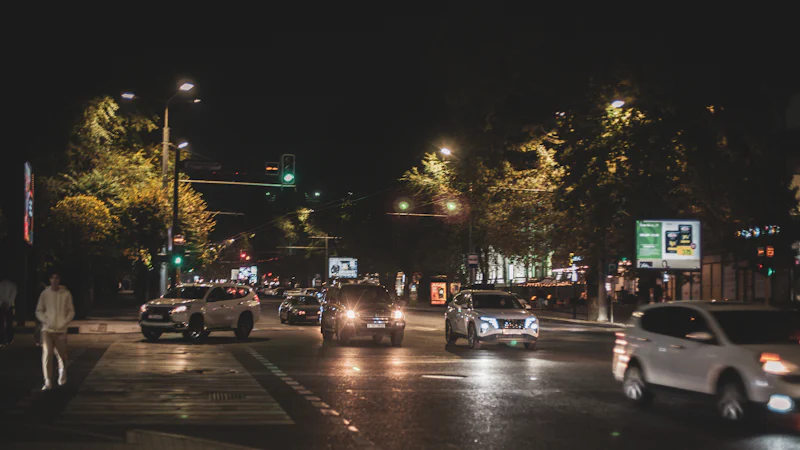
E-bikes operate in a grey area of traffic regulation. They often lack lights at night and frequently ignore road signs. When you are walking, treat every street corner as a potential danger zone. Never assume the road is clear just because the walk sign is green. The safest approach is to make eye contact with drivers and e-bike riders before crossing. If you are riding an e-bike yourself, obey the 15km/h speed limit—if applicable in your district—and always wear a helmet, as police check-points often monitor for these safety violations during morning and evening rush hours.
Navigating Crosswalks and Intersections
In China, the 'left-turn on red' rule is common, meaning cars may be crossing your path even when you think the road is clear. When navigating intersections, never focus solely on the traffic light in front of you. Observe the flow of the entire junction. If you are walking, wait for a group to cross together; there is safety in numbers. If you are behind the wheel, treat every uncontrolled intersection as a yielding scenario, regardless of whether you have the legal right-of-way, to prevent accidents that are difficult to resolve later.
Understanding the fluid nature of Chinese traffic is the most critical survival skill for any expat navigating the country’s roads today.
What is the most confusing traffic situation you have encountered while living in your city?
Quick Takeaways:
- Always assume turning cars and e-bikes will not yield despite pedestrian lights
- Use 122 as your primary contact number for any traffic-related police assistance
- Treat e-bikes as the most unpredictable road users in any urban environment
- Prioritize defensive driving and constant vigilance over claiming the right-of-way
#trafficchina #drivinginchina #expatsafety
