The Regional Divide: Rice vs. Wheat
While rice is a global symbol of Chinese cuisine, the reality of daily consumption depends heavily on geography. China is traditionally divided into two main culinary zones based on the "Qinling-Huaihe" line:
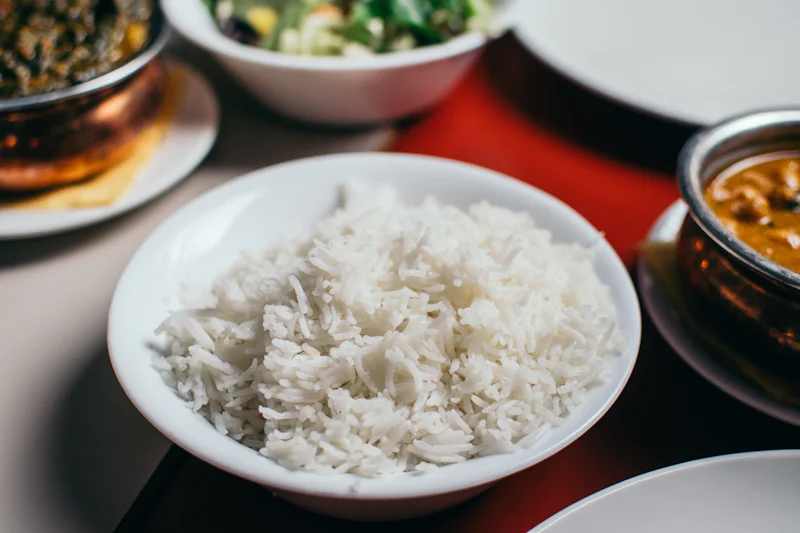
- Southern China (The Rice Belt): In the warm, humid south, rice is the undisputed king. For people in provinces like Guangdong, Sichuan, and Fujian, rice is indeed eaten nearly every day—often for both lunch and dinner. A meal without a bowl of steamed white rice is often considered "incomplete."
- Northern China (The Wheat Belt): In the colder, drier north (including Beijing, Xi'an, and Harbin), wheat is the historical staple. People here are more likely to eat noodles, steamed buns (baozi and mantou), dumplings, or flatbreads daily. While they still eat rice, it may only appear on the table a few times a week.
Rice for Breakfast?
Interestingly, rice is not always the star of the breakfast table. Even in the rice-heavy south, many people start their day with different textures:
- Congee (Zhou): A savory rice porridge that is easy to digest and very common for breakfast.
- Rice Noodles (Mifen): Popular in places like Guilin and Yunnan for a quick morning meal.
- Non-Rice Options: Many urbanites grab a jianbing (savory crepe) or soy milk and fried dough sticks (youtiao), which are wheat-based.
Why Don't They Get "Rice Belly"?
A common question from Western observers is how Chinese people maintain their weight while eating refined white rice every day. The answer lies in the "Food-to-Rice Ratio":
- Rice as a Side: In a traditional Chinese meal, rice is the "base" (zhushi), but the bulk of the nutrition comes from a high volume of stir-fried vegetables and small portions of protein.
- No Butter or Salt: Unlike Western preparations, Chinese rice is almost always steamed plain—no butter, oil, or salt is added during the cooking process.
- Active Lifestyle: High levels of walking and the use of public transport in Chinese cities contribute to daily calorie burn.
Modern Dietary Shifts
In 2026, dietary habits in China are changing rapidly. Younger generations, especially in Tier 1 cities like Shanghai and Shenzhen, are moving away from the "rice-with-every-meal" tradition.
- Western Influence: Salads, sandwiches, and sourdough breads have become popular lunch alternatives for office workers.
- Low-Carb Trends: Health-conscious youth are increasingly replacing white rice with "coarse grains" (cugu) like quinoa, brown rice, or corn to reduce sugar intake.
- Protein-Focused Meals: The rising popularity of gym culture has led to a shift toward higher protein consumption and smaller portions of traditional staples.
Summary
If you are in Southern China, the answer is likely yes—rice is a daily necessity. If you are in the North, it is a frequent choice, but wheat-based foods often take center stage. For most of the 1.4 billion people in China, rice remains the "soul" of the dinner table, but it is no longer the only thing on the menu.
#ChinaFood #RiceCulture #HealthyEating #LivingInChina #ChineseDiet
