Finding safe dining options while managing food dietary restrictions in China is entirely possible, provided you navigate the culinary landscape with preparation and clear communication. While Chinese cuisine is heavily reliant on soy sauce, which contains wheat, and oyster sauce or meat-based stocks, metropolitan centers with diverse expat populations offer the best infrastructure for those with allergies or specific dietary needs. Cities like Shanghai, Chengdu, and Shenzhen lead the way in offering international dining options, inclusive menus, and a culture of dietary accommodation that is significantly more advanced than in smaller, provincial regions.
Navigate Dietary Restrictions with Allergy Cards
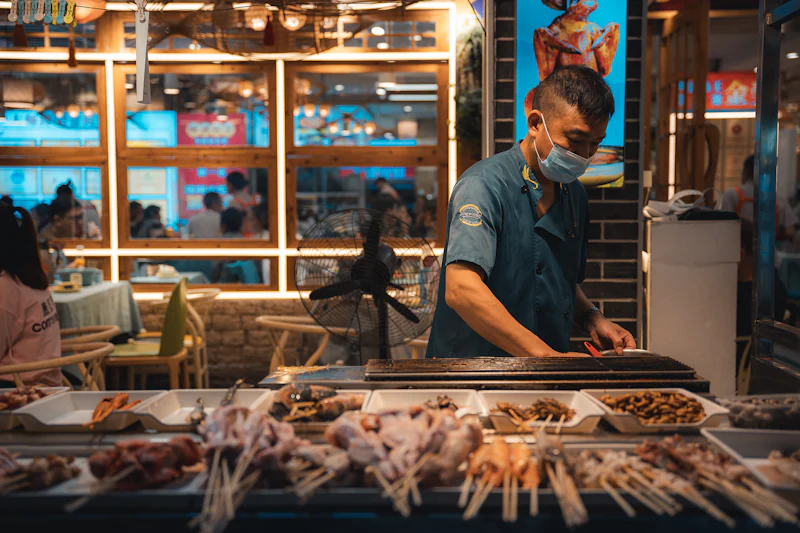
The most effective way to communicate your needs is by using a laminated physical allergy card. Do not rely solely on translation apps like 百度翻译 (Baidu Translate) when ordering, as nuances regarding ingredients can be lost. Your card should clearly state, in traditional or simplified characters, what you cannot consume, such as 'I have a severe allergy to peanuts' (我对花生严重过敏, wǒ duì huāshēng yánzhòng guòmǐn). Include a clear 'do not eat' list and, if possible, specify that you cannot consume cross-contaminated equipment. Keep this card in your wallet and present it to the server or manager before placing your order.
Prioritize Cities with Diverse Culinary Infrastructure
Shanghai remains the premier destination for gluten-free dining and vegetarian life in China. Due to the high density of international restaurants, many establishments in the Jing'an and Xuhui districts are familiar with Western dietary terminology. Chengdu, while famous for spicy cuisine, has a deep-rooted Buddhist tradition that makes finding high-quality vegetarian food (素食, sùshí) incredibly easy. Look for restaurants serving 'Temple-style' food, which often avoids pungent aromatics like garlic and onions, in addition to being meat-free. Shenzhen is another strong choice, as its status as a tech hub attracts a global workforce, leading to a high concentration of health-focused cafes that explicitly label allergens.
Manage Hidden Ingredients in Chinese Dishes
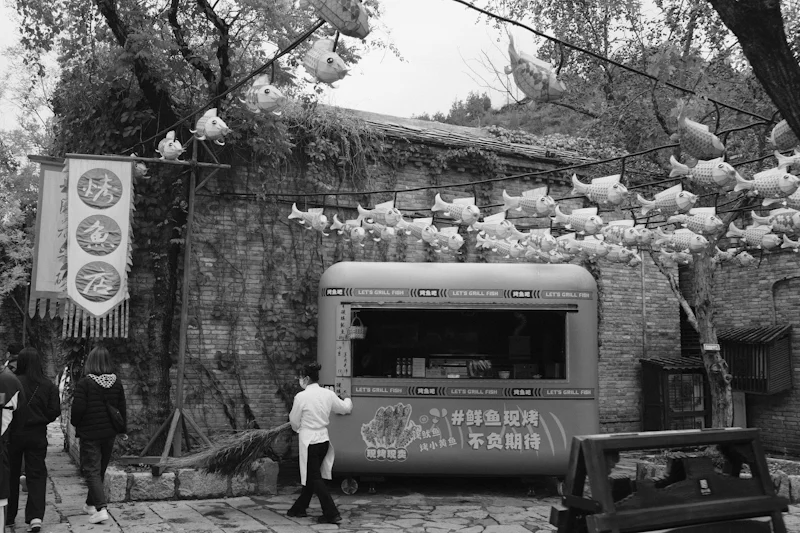
Navigating Chinese menus requires vigilance regarding hidden allergens. Soy sauce is nearly ubiquitous, and many dishes are finished with oyster sauce or sesame oil, which can be problematic for those with shellfish or nut allergies. When dining at local restaurants, focus on dishes that are cooked in front of you or are inherently simple, such as steamed vegetables (清蒸蔬菜, qīngzhēng shūcài) or plain rice noodles. Avoid pre-prepared sauces or deep-fried items, as the same oil is often used for a variety of proteins. If you are ordering through delivery platforms like 饿了么 (Ele.me), use the note section to reiterate your restrictions, although it is safer to call the restaurant directly to ensure your request is understood by the kitchen staff.
Utilize Digital Tools for Transparency
Leverage digital tools to scout restaurants before you visit. Use 大众点评 (Dazhong Dianping), the Chinese equivalent of Yelp, to search for vegetarian or allergen-friendly tags. Read recent reviews to see if other diners mention accommodation for dietary needs. If you find a restaurant that successfully serves your needs, save it in your favorites folder within the app. Developing a small network of 'safe' restaurants in your neighborhood is the single most effective strategy for maintaining a consistent diet without the stress of constant explanation.
Success in China with dietary restrictions relies heavily on your willingness to be proactive and explicit about your health requirements every time you dine out.
Which specific dietary restrictions have you found most challenging to explain in local Chinese restaurants?
Quick Takeaways:
- Carry a laminated allergy card detailing your specific restrictions in simplified Chinese characters.
- Focus on cities like Shanghai or Chengdu for higher concentrations of allergy-friendly dining options.
- Use the 大众点评 app to vet restaurant menus and read recent user review history.
- Communicate your needs directly to the kitchen staff rather than relying on delivery notes.
#chinatravel #dietaryrestrictions #expatlife
