Finding high-quality second-hand musical gear in China is highly efficient if you navigate the right digital marketplaces and physical shop clusters. While boutique music stores exist in major hubs like Beijing and Shanghai, the widest selection and most competitive pricing are found on 闲鱼 (Xianyu), the primary platform for peer-to-peer sales. By mastering the interface of this app and employing basic verification strategies, you can source professional-grade instruments for a fraction of their retail price, provided you follow strict protocols for communication and inspection.
Navigating the Xianyu Ecosystem
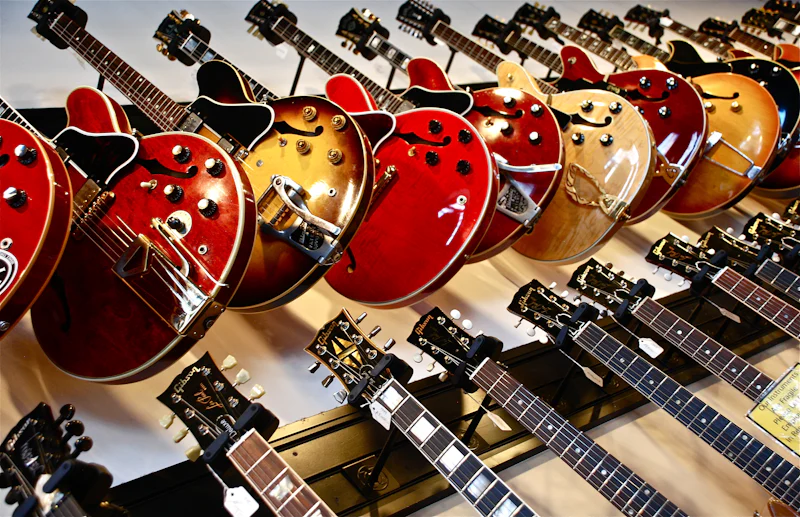
闲鱼 (Xianyu) is an app ecosystem integrated with 支付宝 (Alipay), which provides an escrow service. When searching for gear, use specific keywords in Chinese; for example, search "吉他" (guitar) or "合成器" (synthesizer) rather than English terms to surface more listings. Always check a seller’s "芝麻信用 (Sesame Credit)" score. A score of over 700 is generally considered reliable. Avoid sellers with no transaction history or suspiciously low prices, as these are common indicators of scams. Before finalizing a purchase, check the user’s reviews to see if they have sold musical equipment previously, as hobbyists are often more transparent about the condition of their gear than resellers.
Verifying Condition and Authenticity
Since you cannot always inspect items in person, ask the seller to record a video demonstrating the instrument’s functionality. If it is an electric guitar, ask for a video of the electronics being tested. If it is a digital device, request a screen capture of the firmware version or serial number. For high-value items like vintage amplifiers, insist on shipping via a secure courier that allows "验货 (inspection upon delivery)." This allows you to open the package in front of the courier to verify that the item matches the description before officially signing for it. If the item is damaged or misrepresented, refuse delivery immediately to protect your funds through the 支付宝 (Alipay) dispute resolution system.
Utilizing Local Music Districts
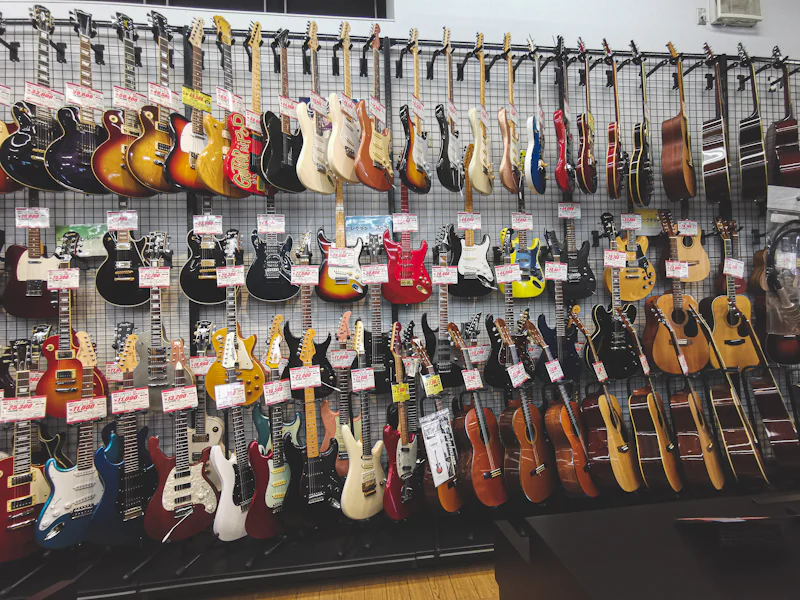
In cities like Beijing, the area surrounding the Music Conservatory often hosts specialized shops. In Shanghai, districts near the Bund or certain creative parks contain high-end instrument showrooms that occasionally sell "二手 (second-hand)" stock. These physical stores are safer because you can personally test the gear and negotiate a warranty, even if the price is slightly higher than online listings. Always ask for a "收据 (receipt)" or an invoice to ensure you have proof of purchase, which can be useful if you plan to sell the instrument later when you leave China.
Effective Communication Strategies
Clear communication is your best defense against misunderstanding. When messaging sellers, use concise Chinese phrases. Asking "成色怎么样? (What is the condition?)" or "有没有划痕? (Are there any scratches?)" is essential. If you are not fluent, use translation apps to clarify specifics about the instrument’s history, such as whether it has undergone repairs or modifications. Most Chinese sellers are responsive if you are polite and demonstrate that you have done your research on the item’s fair market value.
Securing affordable instruments requires combining the convenience of 闲鱼 (Xianyu) with the vigilance of a seasoned buyer who prioritizes verified transactions and clear communication. What is the most difficult instrument you have tried to source while living in China?
Quick Takeaways
- Use 闲鱼 (Xianyu) with sellers possessing a Sesame Credit score above 700 points.
- Always request a video demonstration of the instrument's functionality before completing any payment.
- Utilize 支付宝 (Alipay) escrow to protect your funds during the entire transaction process.
- Visit physical music districts in your city for safer, in-person testing of high-value gear.
#buysedinstrumentschina #xianyu #expatchina
