Finding reliable student housing in Shanghai requires balancing the need for English-speaking support against the lower costs of traditional local leases. While large corporate-managed facilities offer convenience and safety, traditional apartments often provide better value and prime locations near campuses. The most efficient way to secure a spot is to prioritize serviced apartment brands that cater to expatriates if you are new to the city, or leverage local housing agents if you have a basic grasp of Chinese and a local contact to verify your contract terms.
Choosing Between Corporate Managed Housing and Private Rentals
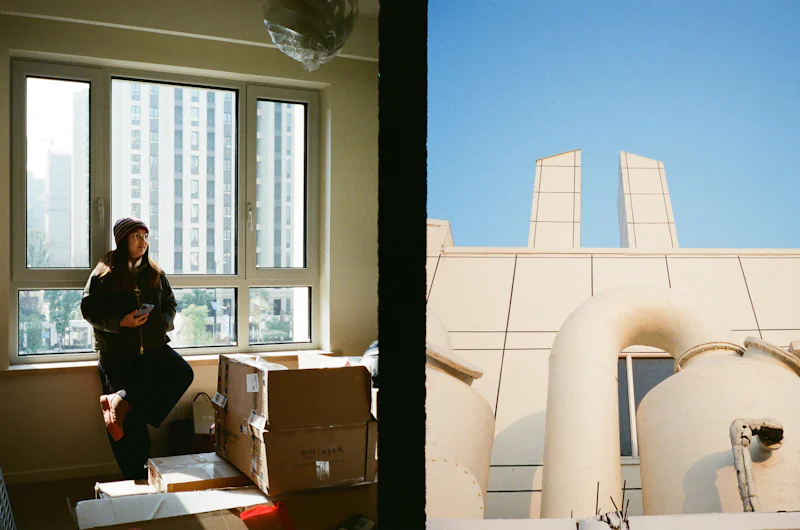
Corporate managed housing, often referred to as 长租公寓 (long-term rental apartments), is the gold standard for students prioritizing convenience. Platforms like Vlinker are popular because they offer standardized lease terms, professional management, and, most importantly, English-speaking staff who can assist with the mandatory 派出所 (police station) residence registration. The primary benefit here is deposit safety; because these are large, legally registered entities, you are significantly less likely to lose your security deposit due to arbitrary claims. However, expect to pay a premium of 20% to 30% above the local market rate for a comparable private apartment.
The Realities of Vlinker and Similar Platforms
A typical Vlinker review in Shanghai highlights the ease of the booking process, which can often be managed through their official 微信公众号 (WeChat Official Account). These platforms act as a one-stop shop where your internet, cleaning service, and utilities are often bundled into a monthly fee. When evaluating these, always confirm the specific service contract details. Ask if the price includes the management fee, 物业费 (property management fee), as this is sometimes billed separately. The biggest pitfall with these units is the 'lock-in' period. Most require at least a 6-month lease, and breaking it early often results in the total forfeiture of your deposit.
Navigating Traditional Apartments for Better Value
If you opt for a traditional local apartment, you will deal with a local agent. While cheaper, this process requires high vigilance. Never transfer money via private bank transfers to an individual agent. Use secure payment methods like 支付宝 (Alipay) or bank transfers that leave a clear digital paper trail. Always ensure your contract includes a 'diplomatic clause' allowing you to terminate the lease if your student status changes or you are forced to leave the country. Before signing, check the 房产证 (property ownership certificate) to verify that the person you are paying is actually the legal owner or has documented authority to sub-lease.
Protecting Your Security Deposit
Regardless of your housing choice, the security deposit is the most contested part of renting in Shanghai for foreigners. Standard practice is a 'one-month rent as deposit' rule. Before moving in, conduct a thorough video inspection of every wall, appliance, and furniture piece. Send this footage to your landlord or management company via WeChat to establish a dated record. This prevents deductions for pre-existing damage when your lease ends. If you find yourself in a dispute, local community centers or your university international office can sometimes act as mediators to resolve disagreements with landlords.
Securing housing is about balancing your comfort needs against the risks inherent in a competitive market like Shanghai. Have you had a positive or negative experience getting your security deposit returned in China?
Quick Takeaways:
- Use corporate platforms like Vlinker for safety and English-speaking support during your first semester.
- Always record a video of the apartment condition before signing to protect your deposit.
- Verify the 房产证 (ownership certificate) if renting from an individual to avoid scams.
- Expect to pay a premium for managed housing in exchange for legal documentation support.
#shanghailiving #studenthousing #chinarental
