For most expats, the US China tariff impact has been far more nuanced than the headlines suggest, shifting from macro-economic volatility to specific operational hurdles in the workplace. While large-scale trade tensions dominate the news cycle, the day-to-day experience of living in China remains remarkably stable for the average foreign professional. Instead of immediate lifestyle disruption, the changes are most visible in supply chain management, recruitment strategies, and the way international companies approach their long-term growth plans within the mainland market.
Shifts in Corporate Operations and Hiring
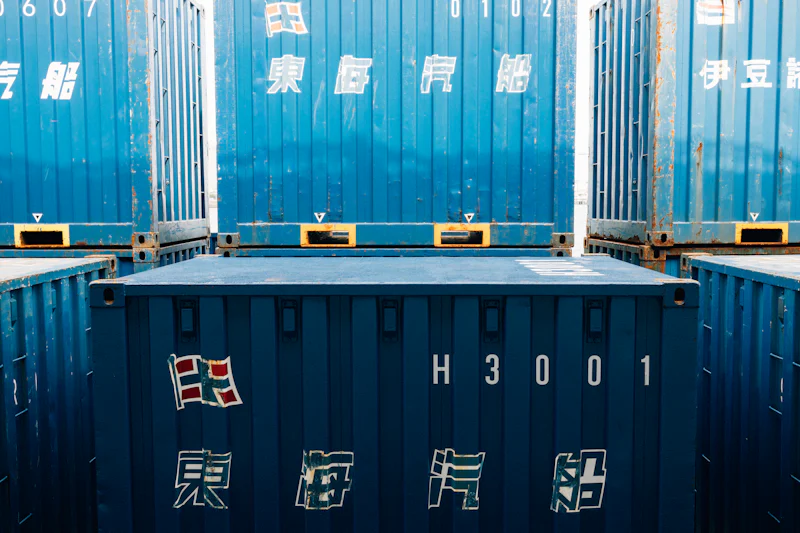
The most tangible change involves the 外企 (wàiqǐ - foreign-invested enterprises) sector. Companies are increasingly prioritizing localizing their operations to mitigate cross-border friction. For expats, this means a shift in the job market: there is a higher premium on those who can act as cultural bridges between headquarters and local Chinese teams. We are seeing a move away from 'expatriate-heavy' management models toward hiring more local leadership, which requires foreign staff to bring specialized expertise that cannot easily be replicated domestically. If your role involves procurement or imports, you may have noticed longer lead times for specific hardware or specialized equipment due to updated customs checks or shifting export compliance rules.
Navigating the Business Environment
Day-to-day business tools remain largely unaffected, but the landscape for B2B transactions has tightened. International companies operating in China are under more pressure to demonstrate compliance with dual-regulatory environments. You should expect your HR or legal department to request more frequent documentation updates regarding your employment scope. When managing budgets, keep in mind that fluctuations in the 人民币 (rénmínbì - renminbi) exchange rate—often a secondary effect of trade news—can impact your personal savings and remittances. Most expats use platforms like 支付宝 (Alipay) or 微信支付 (WeChat Pay) for daily expenses, which remain isolated from these macro trends, but large-scale international transfers have become subject to more rigorous documentation requests from local banks.
Future Considerations for Expat Longevity
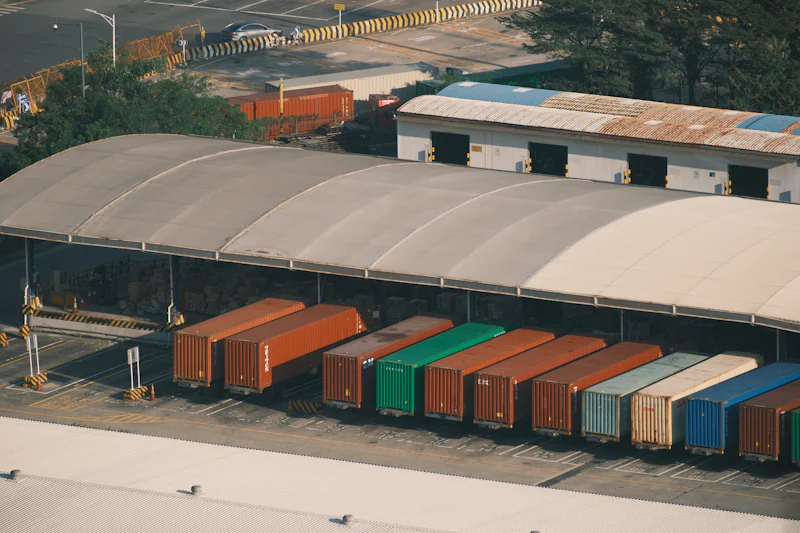
The long-term future of expat life in China is increasingly tied to industries that align with the nation's 'Dual Circulation' strategy, which focuses on internal consumption and high-tech self-reliance. Foreign professionals in sectors like green energy, high-end manufacturing, and consumer services are reporting continued growth and stability. Conversely, those in sectors heavily reliant on raw material imports from the US face more uncertainty. Regardless of the industry, the key to navigating the current climate is maintaining a deep understanding of local market trends rather than relying solely on global headlines.
Strategic Professional Development
To remain resilient, focus on strengthening your local network and understanding the evolving legal framework. Attend industry-specific chamber of commerce events—such as those hosted by the 中国欧盟商会 (European Union Chamber of Commerce in China) or the American Chamber of Commerce—to get grounded perspectives from peers on how they are handling supply chain adjustments. These networks are often more reliable than news outlets when it comes to understanding how policies are being applied on the ground at the provincial or city level.
Focus on localized value creation and professional adaptability to thrive despite shifting international trade dynamics.
How has the recent trade environment changed the way your company handles supply chains or hiring in China?
Quick Takeaways:
- Prioritize localizing your operational expertise to stay valuable within your current company.
- Anticipate increased documentation requests from banks for large-scale international currency transfers.
- Utilize local industry chambers for grounded insights rather than relying solely on news.
#uschina #livinginchina #expatlife
