In China, while there is no strict legal requirement to purchase items to occupy a table in a cafe, the unspoken rules of etiquette vary significantly depending on the establishment's size and brand. In large international chains like Starbucks or Luckin, 'camping' with a laptop for several hours is generally socially acceptable even after a single purchase. However, smaller, independent boutique cafes prioritize turnover, and occupying a seat for an entire afternoon without ordering additional refreshments is often considered poor form. You should read the room and consider the cafe's business model before settling in for a long work session.
Navigating International Chains
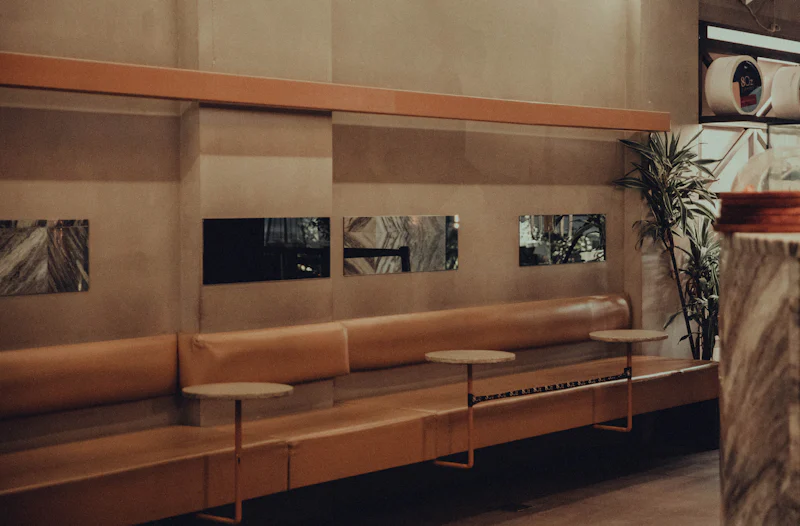
International chains operate on a high-volume model where they expect people to use their spaces for work or social meetings. You will frequently see local professionals utilizing these shops as informal coworking spaces. If you plan to stay for more than two hours, a good rule of thumb is to purchase a second item, such as a snack or a refill. Always use your 支付宝 (Alipay) or 微信支付 (WeChat Pay) to complete transactions quickly, as these are the standard payment methods. These locations are often noisy, so they are better suited for light administrative tasks than deep, quiet focus.
The Etiquette of Independent Coffee Shops
Small, independent cafes or 'third-wave' coffee shops rely on limited seating to maintain profitability. In these environments, you are expected to be a patron, not a renter. If the shop is busy or there is a line, lingering for hours with one small cup is viewed as disrespectful to the business owner. If you find a quiet shop on a weekday morning, it is acceptable to stay, but you should always order at least one item per hour if you remain during peak periods. Using these spaces for full-day work meetings without checking with the staff is generally discouraged unless the cafe explicitly advertises itself as a remote-work friendly zone.
Business Etiquette and Social Norms
If you are meeting a local business partner, the cafe choice reflects your preparation. In China, coffee shops are common venues for initial meetings. In this context, it is expected that the host or the person proposing the meeting pays for the coffee. Attempting to split the bill can sometimes be seen as awkward or overly formal. When working in public, be mindful of your volume during video calls, as Chinese cafes tend to be shared spaces where quiet conversation is preferred. Using noise-canceling headphones is highly recommended to respect the surrounding environment.
Assessing the Vibe
Before settling in, observe the seating area. If you see many people with laptops, the shop is likely 'work-friendly.' If you see only small tables and customers engaged in conversation, it is likely a 'social' space where long-term laptop usage may be viewed as a nuisance. If you are unsure, simply ask the staff, '我可以坐在这里工作吗?' (Can I sit here to work?). This small gesture of politeness is always appreciated and prevents any potential friction during your session.
Respecting the space of independent business owners ensures that cafes remain welcoming environments for all patrons.
How do you decide which cafes are suitable for your remote work days in your current city?
Quick Takeaways:
- International chains are generally tolerant of long-term laptop use during off-peak hours.
- Independent cafes prioritize customer turnover; avoid camping during busy weekend or afternoon hours.
- Always order additional refreshments if staying for more than two hours in any shop.
- Pay via Alipay or WeChat Pay to maintain efficiency and meet local payment standards.
#cafeetiquette #workinchina #chinaculture
