Motorcycle riding in Beijing is currently experiencing a massive surge in popularity, though it remains a strictly regulated pursuit requiring significant administrative legwork for foreign residents. While the city offers vast suburban roads and scenic mountain routes, navigating the legal requirements for registration and licensing is essential before you attempt to join the community. Whether you are looking for long-distance touring or urban commuting, understanding the distinction between different license plate types and the necessity of a valid Chinese motorcycle license is the first step toward hitting the road.
Navigating Beijing License Plates
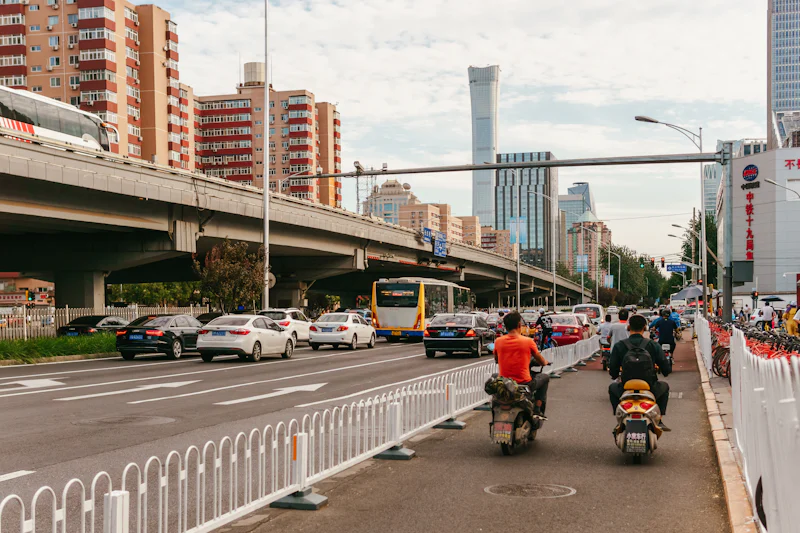
Beijing operates under a complex system for motorcycle plates, categorized primarily by color. The most coveted are the 'Jing A' (京A) plates, which allow riders to access the Fourth Ring Road and major city arteries. However, these are finite, extremely expensive, and can only be transferred, not newly issued. Most newcomers opt for 'Jing B' (京B) plates, which are more affordable and easier to acquire but strictly prohibit entry inside the Fourth Ring Road. Using a plate outside of its designated zone often leads to heavy fines and point deductions on your driver’s license, so check the restricted zones using navigation tools like *高德地图 (Amap) before planning your commute.
Requirements for Foreign Riders
To legally operate a motorcycle in China, your home country’s driver’s license or an International Driving Permit is insufficient. You must obtain a Chinese motorcycle license, specifically the 'E' or 'D' category. This process involves a written theory exam, often available in English, and a practical skills test. You will need to provide a notarized translation of your existing license and a medical certificate from an authorized facility. If you already hold a Chinese car license ('C1'), you will need to undergo a 'supplementary' (增驾) application process to add the motorcycle endorsement to your existing documentation.
Purchasing and Maintaining Your Bike
Buying a bike in China can be done through authorized dealerships or the secondary market. If buying used, always ensure the seller provides the official registration card (机动车登记证书), which serves as the vehicle’s title. Payment is typically handled via *微信支付 (WeChat Pay) or 支付宝 (Alipay), but for large transactions, wire transfers are safer. Once you own the bike, you must carry compulsory traffic accident liability insurance (交强险*) at all times. Service intervals are crucial in Beijing's harsh seasonal climate; ensure your bike is prepped for the extreme heat of July and the bitter, salt-heavy conditions of winter.
Joining Expat Riding Groups
Beijing boasts a vibrant motorcycle community, with several clubs catering to the international crowd. These groups often organize 'ride-outs' on weekends to scenic areas like *门头沟 (Mentougou) or *怀柔 (Huairou), where winding mountain roads offer a reprieve from urban congestion. Finding these communities is easiest through WeChat groups, where members discuss gear, mechanical repairs, and road safety. Networking with local riders is also the best way to keep up with changing traffic regulations, as local police enforcement regarding motorcycle lane discipline can fluctuate depending on the current urban safety campaign.
Successfully managing your riding experience in Beijing requires balancing your passion for the road with a strict adherence to local traffic laws and plate regulations. Have you managed to secure a 'Jing A' plate, or have you found that a 'Jing B' plate is sufficient for your weekend riding habits?
Quick Takeaways:
- Obtain a valid 'E' or 'D' category Chinese motorcycle license before riding.
- Understand that 'Jing B' plates are prohibited from entering the Fourth Ring Road.
- Always carry your registration card and valid insurance documents when operating your bike.
- Use navigation apps to stay updated on current restricted traffic zones and routes.
#motorcyclebeijing #expatchina #travelchina
