If you are looking for the best winery tours in Yunnan, prioritize the high-altitude vineyards of Deqin and the valley slopes near Shangri-La. This region represents the frontier of high-altitude wine production in China, offering a unique blend of extreme geography and traditional farming. While the Napa-style infrastructure is still developing, the boutique wineries here provide a rare, intimate look at viticulture in one of the most challenging environments on earth. It is an ideal escape for travelers seeking both refined vintages and untouched, mountainous landscapes that remain largely off the standard tourist circuit.
Navigating the High-Altitude Terroir
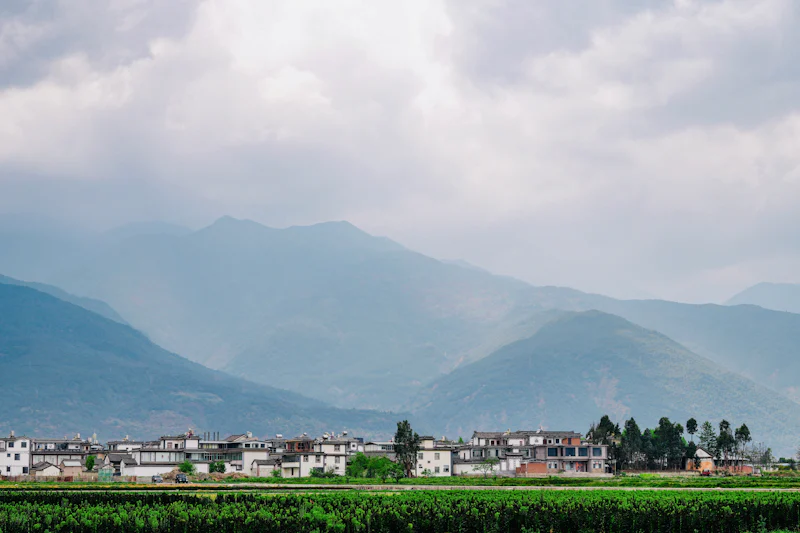
The secret to Yunnan’s rising reputation lies in its extreme elevation. Wineries in areas like the Meili Snow Mountain (梅里雪山) range sit at altitudes between 2,200 and 2,600 meters. This high altitude ensures intense ultraviolet exposure during the day and rapid cooling at night, which helps grapes retain acidity. As a foreigner traveling in these remote zones, you should aim for small-batch vineyards that focus on sustainable farming (可持续农业) practices. Many of these projects are integrated into local village economies, ensuring that your visit supports long-term ecological balance in the fragile Himalayan foothills.
Planning Your Remote Mountain Itinerary
The infrastructure in northwestern Yunnan is rustic. Do not rely on public buses for reaching specific vineyards, as most are located along winding, single-lane mountain roads. The most efficient strategy is to hire a private driver or join a curated small-group tour departing from Shangri-La. When communicating with locals or booking logistics, use 微信 (WeChat) to coordinate with vineyard hosts directly. If you are planning a trip, budget at least four days for the region to account for weather-related travel delays, which are common due to the high-mountain topography.
Logistics and Essential Travel Tools
Before heading into the mountains, ensure your digital toolkit is prepared. Use 高德地图 (Amap) for navigation, as it is significantly more accurate than international alternatives for rural mountain roads. Most wineries do not accept walk-ins, so you must schedule your tastings at least two weeks in advance. Carry cash for small mountain village purchases, but use 支付宝 (Alipay) for major hotel and tour payments. If you require a high-end experience, look for accommodations that partner with boutique estates; these often offer guided vineyard walks that explain the specific challenges of viticulture in a sub-alpine climate.
Avoiding Common Travel Pitfalls
Many travelers underestimate the physical impact of the altitude. Deqin is considerably higher than Shangri-La, and altitude sickness can derail your trip if you rush the ascent. Spend at least two nights in Shangri-La to acclimatize before heading deeper into the valley. Another common mistake is attempting to visit too many sites in one day. Focus on one major winery per day to fully appreciate the production methods and the surrounding geography, which are the primary reasons for visiting this hidden corner of China.
High-altitude viticulture in Yunnan is as much about the endurance of the land as it is about the final glass of wine. Have you explored any boutique wine regions in China beyond the well-known Ningxia or Penglai areas?
Quick Takeaways:
- Book winery visits at least two weeks in advance to ensure private access.
- Spend two nights in Shangri-La to properly acclimatize before moving to higher elevations.
- Download Amap for accurate navigation through remote, winding mountain roads in the region.
- Prioritize boutique, sustainable farms that integrate local ecological preservation into their production process.
#winerytoursyunnan #chinatravelguide #yunnanwine
