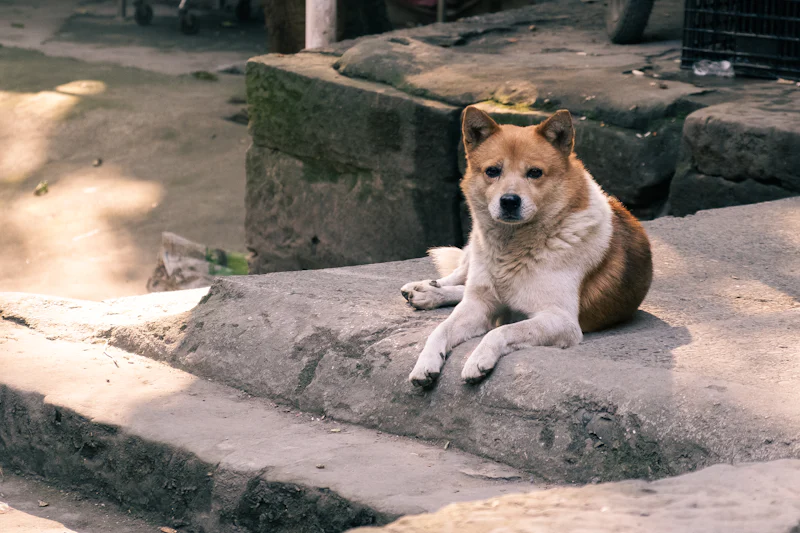
The Reality of Dog Meat Consumption
A common global question is whether dog meat is a staple of the Chinese diet. The short answer is no. For the vast majority of China’s 1.4 billion people, dog meat is not a part of their daily or even yearly diet. Most Chinese citizens have never tasted it, and many are strongly opposed to the practice. While the trade exists, it is a fringe industry rather than a mainstream culinary tradition.
Regional and Cultural Context
Where dog meat is consumed, it is typically restricted to specific geographical pockets and certain times of the year:
- Regional Hubs: Consumption is most notable in parts of South China (such as Guangxi and Guangdong), Northeast China (near the Korean border), and some areas in Central China.
- Seasonal Traditions: In some local traditions, eating dog meat is associated with the summer solstice or winter months, based on old beliefs that it provides certain health benefits, such as regulating body heat or boosting energy.
- The Yulin Festival: The controversial Yulin Dog Meat Festival is often cited in international media. However, it is important to note that this is a localized event established relatively recently (around 2009) and does not represent national Chinese culture.
Shifting Public Sentiment
Public opinion in China has shifted dramatically over the last two decades, driven by a growing middle class and a massive surge in pet ownership:
- The Rise of Pet Culture: Millions of Chinese families now own dogs as beloved companions. This has led to a powerful domestic animal rights movement.
- Generational Divide: Younger generations (Gen Z and Millennials) are overwhelmingly opposed to the consumption of dogs and cats, viewing them as family members rather than livestock.
- Protests and Activism: It is now common to see Chinese activists intercepting trucks transporting animals or protesting against local meat markets, reflecting a significant internal push for change.
Legal and Regulatory Status
The legal landscape regarding dog meat has become increasingly restrictive:
- 2020 Reclassification: In a landmark move in 2020, China’s Ministry of Agriculture and Rural Affairs reclassified dogs as "companion animals" rather than "livestock." This signaled a major policy shift toward phasing out the trade.
- City-Level Bans: Major international hubs like Shenzhen and Zhuhai were the first to implement official bans on the consumption of dog and cat meat, setting a precedent for other urban areas.
Summary
While the dog meat trade has deep historical roots as a "survival food" in times of famine or a niche regional specialty, it is rapidly disappearing from modern Chinese society. Today, the sight of a dog on a leash in a city park is far more common than seeing one on a menu.
#ChinaFoodFacts #PetCultureChina #AnimalWelfare #ChineseCulture #TravelChina
