The phenomenon of expat sickness in China, often referred to as 'traveler’s tummy,' is primarily an adjustment process where your gut microbiome encounters new strains of bacteria rather than a result of poor food quality or hygiene standards. When you arrive in a new environment, your digestive system is exposed to different indigenous bacteria found in local water, produce, and preparation surfaces. This process, while uncomfortable, is usually a temporary period of adaptation that resolves naturally as your body builds a localized immune response over several weeks or months.
Understanding the Microbiome Shift
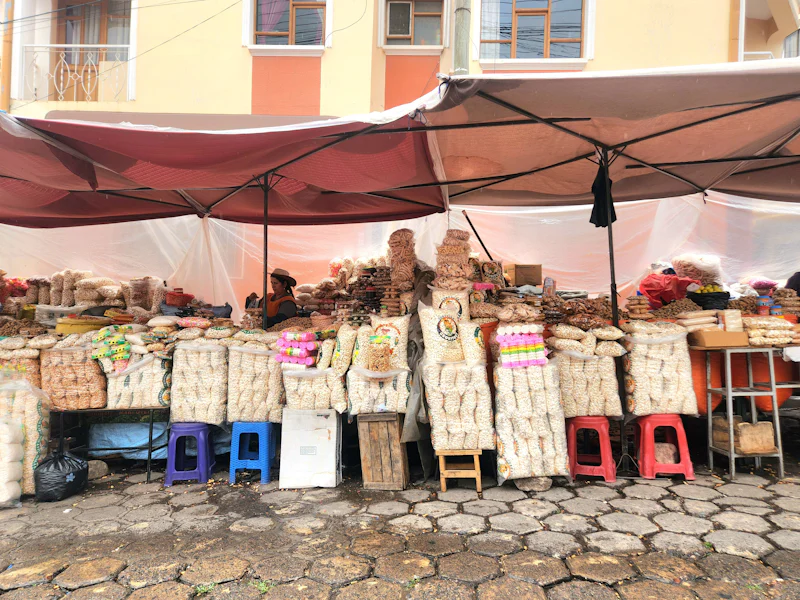
Your gut contains trillions of microorganisms that are highly sensitive to regional environmental factors. When you move to China, you are not necessarily consuming 'dirty' food, but you are consuming food containing different microbial profiles than those your body grew accustomed to in your home country. This biological transition is a standard aspect of international travel. Most gastroenterologists suggest that this period of adjustment typically lasts between two to four weeks. During this time, it is common to experience bloating or loose stools as your body recalibrates its internal ecosystem to accommodate local bacterial flora.
Managing Dietary Habits Safely
To mitigate the severity of these symptoms, many residents find success by maintaining a consistent diet during their first month. Focus on well-cooked meals served at reputable establishments. In China, the concept of 热食 (rèshí - hot food) is a pillar of dietary health, as traditional wisdom suggests that consuming cooked, hot food is easier on the digestive system. Avoid raw salads or fruit washed in tap water until your system is fully acclimated. If you are ordering via delivery apps like 美团 (Meituan), look for restaurants with high ratings and clear ingredient sourcing, which can provide a safer baseline while your body adjusts.
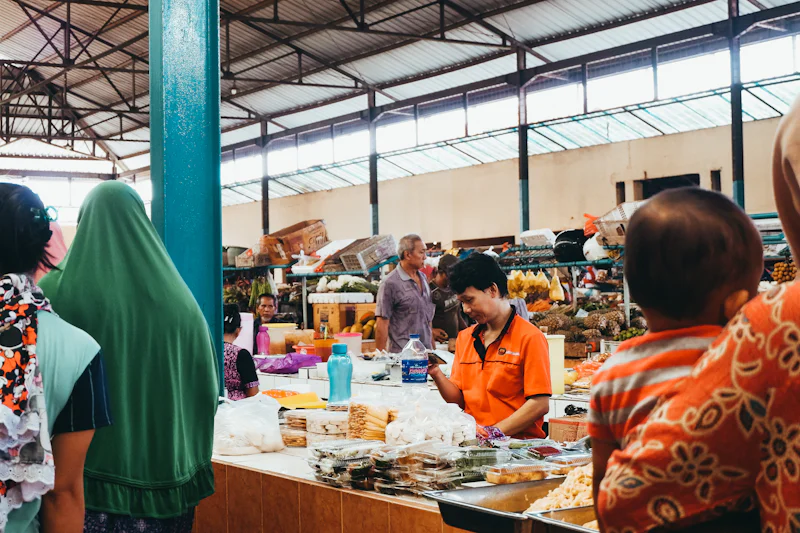
The Role of Local Hydration
Water quality is a frequent topic of debate, but the reality is that most water in urban China is treated to safe standards; however, the mineral content and local pipe systems can introduce different substances than you are used to. A practical strategy is to use a water filtration system or stick to 瓶装水 (píngzhuāng shuǐ - bottled water) for the first few months. Many expats use simple tap water filters or electric kettles to boil water, which eliminates concerns regarding residual pathogens. Keeping your hydration consistent helps your digestive tract manage the transition period more effectively.
Recognizing When to Seek Help
While most cases of stomach issues resolve on their own, it is vital to know when the situation exceeds 'adjustment' and requires medical attention. If you experience high fever, severe dehydration, or symptoms lasting longer than one week, visit a local hospital for a stool analysis. Chinese hospitals are well-equipped to handle these common issues, often utilizing 肠道益生菌 (chángdào yìshēngjūn - intestinal probiotics) to accelerate the restoration of gut health. Many larger clinics have international departments where doctors speak fluent English, making it easy to receive a professional diagnosis and targeted treatment.
Ultimately, expat sickness in China is a brief physiological transition that can be managed with sensible dietary choices and standard hygiene practices. What specific dietary adjustments have you found most effective in helping your stomach settle during your first few months in China?
Quick Takeaways:
- Accept that gut adjustment is a natural, temporary reaction to new regional bacterial flora.
- Prioritize hot, well-cooked meals to reduce the initial strain on your digestive system.
- Use bottled or filtered water to avoid sensitivity to local pipe mineral profiles.
- Seek medical help if symptoms persist for more than one week or involve fever.
#expatlife #chinatravel #healthtips
