The absolute best way to secure mobile data as a tourist in China is to purchase an international travel eSIM before your departure, as it bypasses the logistical headaches of physical SIM card activation at physical retail kiosks. While airport kiosks are convenient, they are often overpriced and require tedious identity verification processes that can take over an hour. For the modern traveler, having a pre-activated data plan ensures you can immediately access essential navigation and payment platforms like 高德地图 (Amap) and 支付宝 (Alipay) the moment you land, avoiding the stress of hunting for a shop while offline.
Why Travel eSIMs Are the Superior Choice

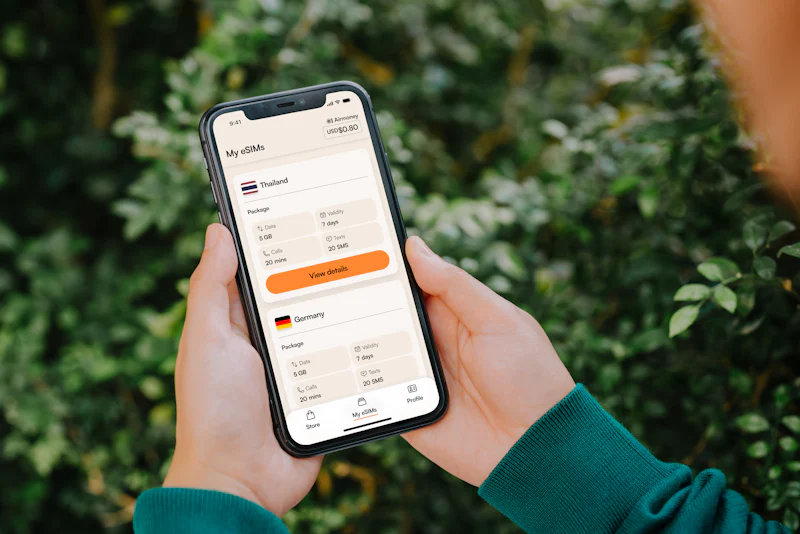
Travel eSIMs represent the most convenient path for short-term visitors. Unlike local physical SIMs, which require you to present your passport at a carrier branch, an eSIM can be configured via a QR code sent to your email. Most reputable providers offer plans that automatically bypass the Chinese firewall, meaning you can still access Gmail, Google Maps, and social media without a separate VPN. Check if your device is carrier-unlocked before purchasing; if your phone is locked to a home carrier, this option will not function. Prices typically range from $15 to $35 for 10-30 days of data, which is far more cost-effective than international roaming packages offered by Western telecom providers.
The Realities of Airport SIM Kiosks
If your device does not support eSIM technology, you will need a physical SIM. Purchasing one at an airport kiosk is the most common approach, but be prepared for a rigid administrative process. You must provide your original passport for scanning and, in many cases, have your photo taken by the clerk to verify your identity with the Ministry of Public Security. Note that these SIMs are often 'data-only' or 'limited-voice' plans, and you may find that local carriers like 中国联通 (China Unicom) impose data caps or throttle speeds after a certain usage threshold. Ensure the staff confirms that the SIM is valid for the entire duration of your stay to avoid mid-trip deactivation.
Critical Apps You Need to Run
Regardless of your chosen SIM, your data plan is useless if you cannot use the local ecosystem. You absolutely must install 支付宝 (Alipay) and link a international credit card before arrival. Many small vendors do not accept cash, and your SIM card will be your lifeline for using the 'scan-to-pay' QR code system. Similarly, while Google Maps works with some roaming or VPN-enabled SIMs, it is often inaccurate in China; downloading 百度地图 (Baidu Maps) is a vital fallback. Having mobile data allows you to verify your taxi location in 滴滴 (Didi), which is the standard app for ride-hailing and provides an English-language interface that is much safer and more reliable than hailing street cabs.
Avoiding Common Pitfalls
Do not assume public Wi-Fi is a viable alternative. Most public networks in airports, malls, or cafes require a Chinese phone number to receive a SMS verification code to log in. Without a local SIM, you will be effectively locked out of almost every public internet portal. Furthermore, avoid purchasing SIM cards from unlicensed street vendors, as these are often unreliable and frequently lack the necessary registration to remain active for more than a few days.
Reliable mobile data is not a luxury but a fundamental requirement for navigating modern China's digital-first infrastructure. Have you encountered any specific connectivity issues while traveling through smaller, less internationalized cities?
Quick Takeaways:
- Use a travel eSIM to bypass the need for physical store registration
- Ensure your smartphone is carrier-unlocked before purchasing any local or digital SIM
- Install and set up 支付宝 (Alipay) with your credit card before departure
- Carry a passport at all times if you must buy a physical SIM
#chinalife #traveltips #chinatravel
