Registering an e-bike in China as a foreigner requires presenting your passport, a valid residence permit, and the official purchase documentation at your local traffic police station or designated registration center. While the process is standardized at the national level, the reality is that enforcement and registration protocols for a Chinese e-bike license plate (电动自行车牌照 - diàndòng zìxíngchē páizhào) vary significantly between cities. It is crucial to verify that your bike model meets the national 'New National Standard' (新国标 - xīn guóbiāo) before purchase, as non-compliant bikes cannot be registered and will be confiscated.
Verifying Bike Compliance
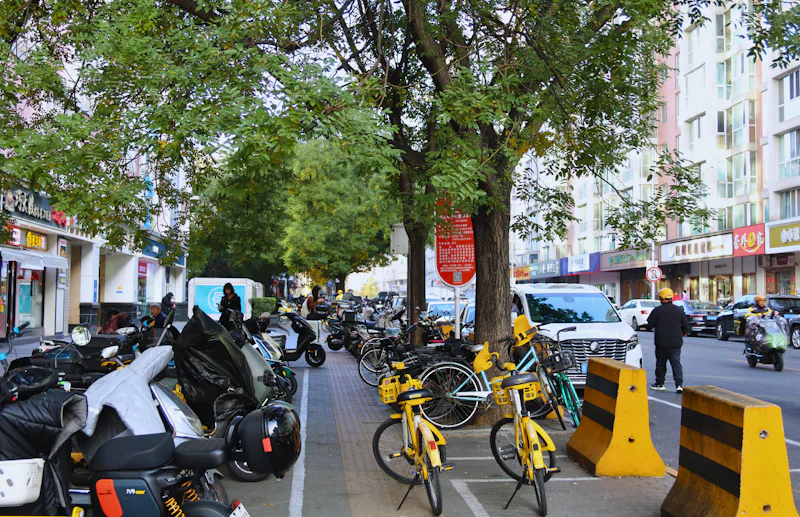
Before you even head to the registration office, check the certificate of conformity (合格证 - hégézhèng) provided by the dealer. In 2019, China implemented strict requirements for e-bikes, including maximum speeds of 25 km/h, weight limits under 55kg, and mandatory pedal functionality. If your bike lacks a 3C certification mark (China Compulsory Certification), the traffic management bureau will refuse to issue a license plate. Do not rely on verbal assurances from shop owners; inspect the physical identification plate on the frame yourself.
Completing the Registration Process
To initiate the process, bring your passport, residence permit, and the official invoice (发票 - fāpiào) to the traffic police branch. In many Tier-1 cities like Shanghai or Shenzhen, you can often start the process through apps like 支付宝 (Alipay) or 微信 (WeChat) by searching for 'e-bike registration' services. You will need to bring the bike for a physical inspection where officers check the VIN (Vehicle Identification Number) against your paperwork. Once approved, the license plate is usually issued on the spot or mailed to your registered address within three to five business days.
Handling Provincial Relocations
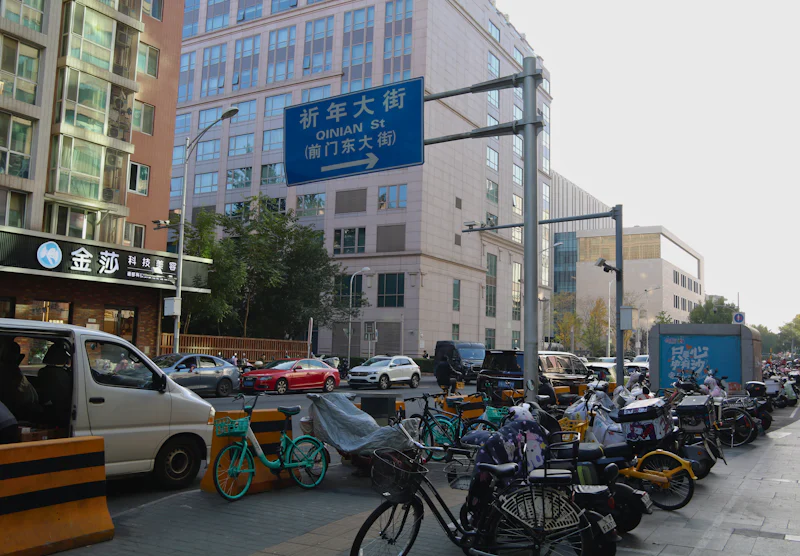
Moving a bike between cities in China is rarely worth the logistical effort. Most e-bike registrations are strictly tied to a local administrative region. If you move from Beijing to Chengdu, for instance, you cannot simply update your registration; you generally must de-register your bike in your current city and attempt to register it as a new vehicle in your destination. However, many cities now restrict the registration of imported or 'used' bikes that were not bought locally. Shipping a bike across provinces via a courier like 顺丰速运 (SF Express) is possible, but it is often more practical to sell your current bike before moving and purchase a new, compliant one at your destination.
Following Local Riding Rules
Once registered, you must adhere to local traffic regulations to avoid heavy fines. Wearing a helmet is mandatory in most provinces, and riders must stay in the designated non-motorized vehicle lanes. Running red lights or riding on sidewalks is frequently monitored by AI traffic cameras that utilize facial recognition. Repeated violations can lead to your bike being impounded, requiring you to pay a fine and attend a short safety course before retrieval.
Registration is not just a legal requirement but your only protection against having your vehicle confiscated during routine traffic sweeps.
Have you successfully navigated the registration process in a smaller Chinese city, and did you find the requirements to be stricter than in the major hubs?
Quick Takeaways:
- Ensure your bike is 3C certified and meets the New National Standard requirements.
- Bring passport, residence permit, and original sales invoice to the local traffic bureau.
- Check digital platforms like Alipay for potential online pre-registration options in your city.
- Avoid moving bikes between provinces as re-registration is often restricted or impossible.
#ebikechina #expatlifestyle #chinatips
