The 144-hour visa-free transit program allows eligible travelers from 54 countries to enter China for up to six days without a traditional visa, provided they are traveling between a minimum of three countries or regions. To qualify, your itinerary must follow a strict A-B-C route where you arrive from one country, transit through a designated Chinese city, and depart for a third country. This policy, officially known as the 过境免签 (Guòjìng Miǎnqiān), is an excellent way for business travelers or tourists to explore major hubs like Shanghai, Beijing, or Guangzhou for short-term stays.
Verifying Your Route Eligibility
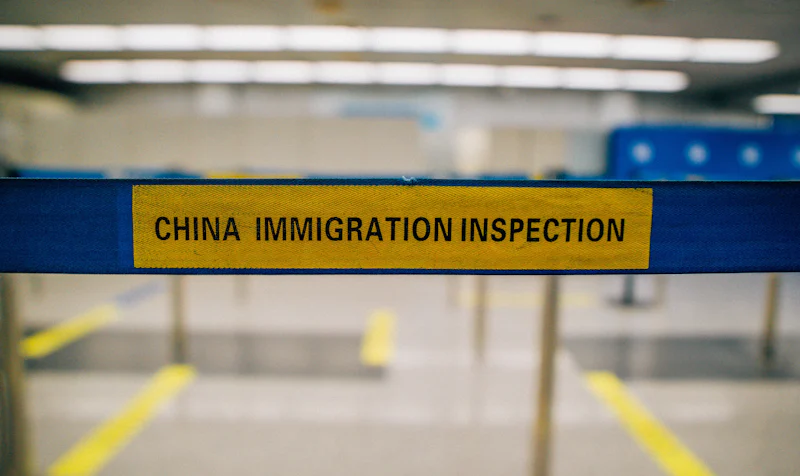
Before booking, confirm that your flight path qualifies. You must arrive in one of the 144-hour visa-free cities and depart for a country or region different from your origin. For example, a flight from Tokyo to Shanghai, then Shanghai to New York, fits the criteria perfectly. A common pitfall is the round-trip flight error: flying from Los Angeles to Shanghai and back to Los Angeles does not qualify, as your origin and destination are the same country. Always double-check your tickets to ensure they reflect an international transit path.
Understanding 72-hour Versus 144-hour Zones
While the 144-hour policy is widespread, some cities still operate under the 72-hour transit rule. The 144-hour zones typically cover larger clusters, such as the Beijing-Tianjin-Hebei region or the Shanghai-Jiangsu-Zhejiang area, allowing you to travel between these adjacent provinces. Cities limited to 72 hours, such as Changsha or Guilin, usually restrict you to the administrative boundaries of that specific city. Always verify if your transit city belongs to the extended 144-hour zone to avoid overstaying your permit.
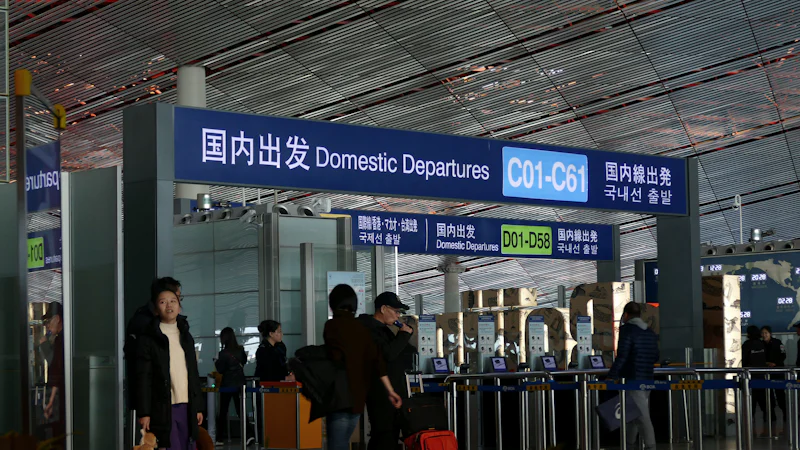
Preparing Your Documentation for Arrival
Upon arrival, head directly to the designated transit-without-visa counters, often marked by signs stating 外国人入境卡 (Wàiguórén Rùjìng Kǎ), or Foreigner Arrival Card. You must present your passport, a printed copy of your confirmed onward flight ticket to a third country, and your completed arrival card. Ensure your passport has at least six months of validity remaining. It is also wise to have a hotel booking confirmation handy, as border officials may request proof of your temporary residence, also known as 住宿登记 (Zhùsù Dēngjì), which is required for all foreign visitors in China.
Avoiding Common Transit Mistakes
One frequent error is failing to remain within the permitted geographic area. If your transit is granted for the Shanghai-Jiangsu-Zhejiang region, traveling to a city outside this zone, such as Shenzhen, constitutes a visa violation. Additionally, do not assume you can leave the airport during a long layover without processing the visa-free transit permit. You must clear immigration to officially enter the country under the transit program. Finally, ensure your transit flight is confirmed; standby tickets or non-confirmed itineraries are generally rejected by airlines at the departure airport, preventing you from boarding your initial flight to China.
Successful transit relies entirely on having a confirmed onward ticket to a third country and strictly adhering to the authorized regional transit zones. Have you successfully utilized the 144-hour policy in a city other than Beijing or Shanghai?
Quick Takeaways:
- Ensure your flight route involves three distinct countries or regions to qualify for entry.
- Confirm your transit city allows 144 hours rather than the 72-hour limit.
- Carry printed copies of your onward flight tickets to show immigration officials upon arrival.
- Remain strictly within the designated provincial or city zones granted by your transit permit.
#chinatravel #transitvisa #chinavisa
