The impact of CCP ideology on modern Chinese culture is best understood not as a total replacement of tradition, but as a deliberate process of synthesis and state-directed preservation. While the ideological framework emphasizes collective progress and social stability, this approach has significantly reshaped how heritage sites are managed, how traditional practices are promoted, and how religion is integrated into the public sphere. For those living in China, observing these changes offers a fascinating look at how a rapidly modernizing nation balances its ancient roots with its current political identity.
The Transformation of Historical Heritage Sites
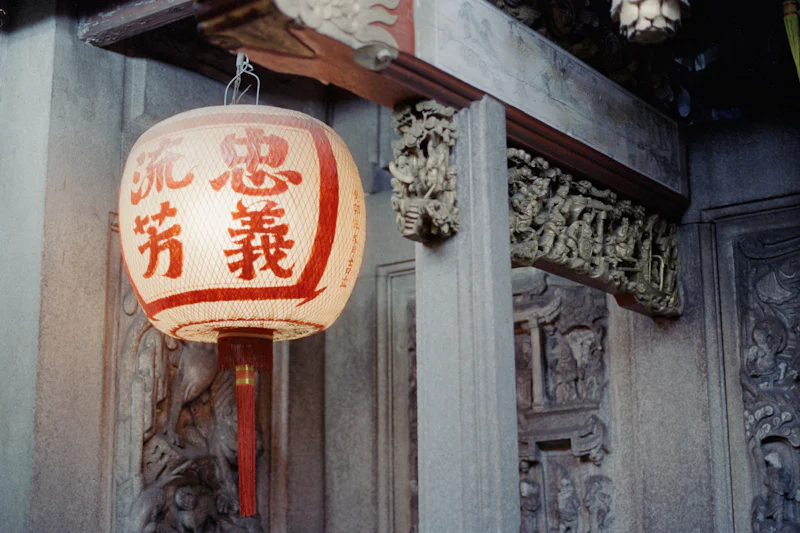
Heritage sites have undergone a shift from purely aesthetic or religious spaces to centers of cultural education and national identity. A prime example is the management of the Shaolin Si (Shaolin Temple). Once an isolated sanctuary for Buddhist practice, it has been modernized into a globally recognized symbol of Chinese soft power. This shift involved professionalizing the martial arts curriculum, standardizing the temple’s administrative management, and ensuring that public messaging aligns with state-promoted values of discipline and national pride. When visiting, you will notice that placards and tours often emphasize historical continuity alongside contributions to modern physical culture, reflecting a broader strategy of 'selective preservation' where certain aspects of history are highlighted to foster social cohesion.
Re-contextualizing Religious Practice
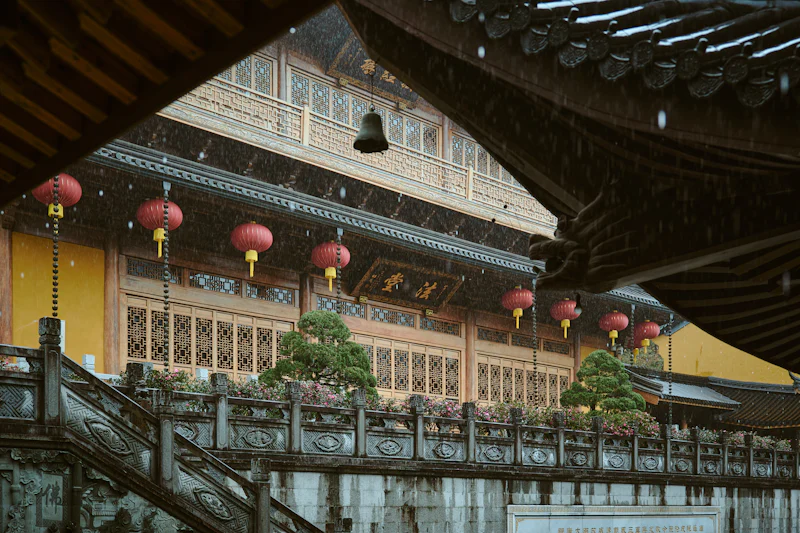
Religion in China occupies a space that is defined by the concept of 'Sinicization'—a policy encouraging religious practices to be compatible with Chinese social norms and political reality. For expats visiting local temples, this often means observing that religious activity is closely monitored by state-affiliated organizations like the Zhongguo Fojiao Xiehui (Buddhist Association of China). Modern religious expressions are encouraged as cultural expressions rather than purely supernatural pursuits. As a result, you might find that temple festivals are treated as community-building events that emphasize charity and local heritage, effectively integrating religious history into the modern social fabric while ensuring it remains within the legal and regulatory framework of the state.
State Support for Traditional Arts
Government investment has been a major driver in the resurgence of traditional crafts, music, and performance art. By branding these as part of a collective 'National Heritage', the state has moved beyond preservation to active promotion. Through initiatives such as the Feiwuzhi Wenhua Yichan (Intangible Cultural Heritage) program, thousands of artisans receive support to maintain traditional skills. While this provides essential funding, it also means that the content of these arts is occasionally adjusted to avoid sensitive topics or to promote values such as rural development and unity. The modern cultural landscape is thus a curated version of the past, designed to be accessible and beneficial to the modern Chinese citizen.
Navigating Cultural Observations
For residents, the key to understanding this dynamic is recognizing the distinction between 'culture as history' and 'culture as policy.' When attending a cultural exhibition or visiting a historic town, look for the official plaques provided by the Ministry of Culture and Tourism. These will often explain the site’s value in the context of the 'Chinese Dream,' a common state narrative regarding national rejuvenation. Recognizing these narratives allows you to appreciate the architectural and artistic beauty while also understanding the ideological context that ensures these sites continue to exist and thrive today.
Understanding how heritage is curated allows you to see the underlying intent behind the promotion of China's historical narrative while still enjoying the rich traditions that define the country. How have you perceived the changes in the way historic sites in your city present their history compared to when you first arrived?
Quick Takeaways:
- Heritage sites are managed to emphasize national unity and historical continuity for citizens.
- Religious practices are integrated into society through state-affiliated associations and community-based event planning.
- Traditional arts receive state funding but are curated to align with current societal values.
- Official heritage plaques often provide insight into how the government frames historical narratives.
#chineseculture #heritagepreservation #modernchina
