{
"post_content": "The cost of living in Ordos is surprisingly affordable, often ranking significantly lower than top-tier coastal hubs, despite the city’s reputation for immense wealth fueled by natural resources. While international media frequently highlights its sprawling infrastructure and economic statistics, the daily reality for residents is characterized by modest grocery prices, reasonable utility costs, and a slower pace of life that differs drastically from the hyper-competitive environment found in cities like Beijing or Shanghai. Living in Inner Mongolia offers a unique perspective on China's economic development, where state-led investment and massive resource extraction create a distinct financial landscape for locals and expats alike.
Reality of the Ordos Economy
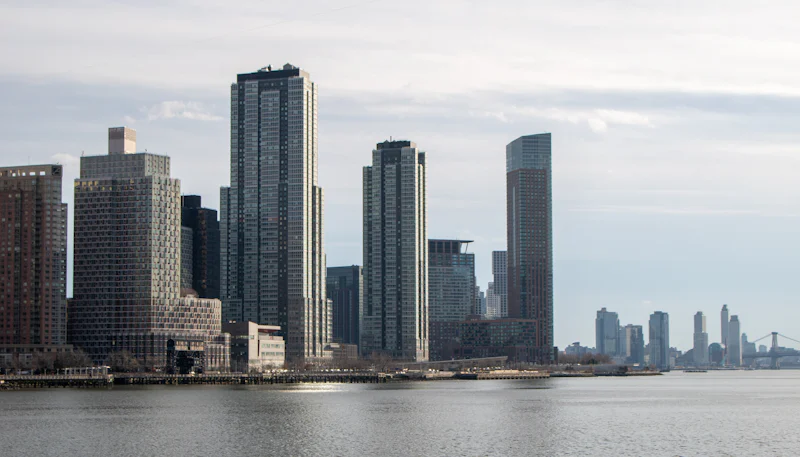
Is Ordos a rich city? On paper, yes, primarily due to coal reserves and energy production. However, this wealth is concentrated in large-scale state enterprises rather than a broad consumer base. The city is famous for Kangbashi, a district that was once dubbed a ghost town. Today, that area is fully functional and offers modern amenities, yet it remains relatively inexpensive compared to China’s tier-one cities. The economic disparity means that while industrial output figures are astronomical, local wages for standard service or teaching jobs are modest, keeping the overall cost of living comfortably low for those earning a steady salary.
Daily Budget Breakdown
For an expat, basic living expenses are manageable. Rent for a modern, well-furnished apartment in the Dongsheng or Kangbashi districts can range from 1,500 to 3,000 renminbi (RMB) per month. Food costs are similarly accessible; a local meal featuring traditional naicha (milk tea) and lamb dishes is quite affordable. Utilizing zhifubao (Alipay) or weixin zhifu (WeChat Pay) for daily transactions remains the standard, and you will notice that even in this relatively wealthy region, service costs remain stable. Public transportation is extensive, with buses costing only one or two RMB per trip, making daily commuting negligible in your monthly budget.
Challenges of Local Life
The biggest adjustment isn't the cost, but the climate and the social infrastructure. Inner Mongolia experiences harsh, long winters, which means heating costs are integrated into annual property fees or handled by the government in residential blocks. If you are renting a private apartment, verify whether nuanqi (central heating) is included in your lease agreement. Furthermore, because Ordos is not a primary destination for the global business community, you will find fewer imported goods and international service networks. This forces a transition to a more localized lifestyle, which naturally lowers your spending as you shift away from imported habits.
Economic Development and Growth
Ordos represents a specific phase of China’s development, where heavy industry meets modern urban planning. The city has matured beyond its boom-and-bust narrative, focusing on environmental sustainability and diversifying its economic base into renewable energy. For residents, this provides a stable, if quiet, environment. You are unlikely to face the inflationary pressures seen in cities with booming tech sectors, as the housing supply in Ordos is vast and the demand is steady rather than speculative.
The primary takeaway for those considering a move to Ordos is that your purchasing power will stretch much further here than in almost any other major Chinese city. How does the economic reality of a resource-driven city like Ordos change your perspective on long-term residency in China?
Quick Takeaways:
- Monthly rent for a modern apartment typically ranges between 1,500 and 3,000 RMB.
- Essential public transportation costs remain extremely low at approximately one or two RMB.
- Verify that your rental agreement includes coverage for central heating during the winter.
- Utilize digital payment apps like Alipay for all your daily transactions and budgeting.
#ordos #costofliving #innermongolia"
}
